The True Meaning Behind “Barn Stars”
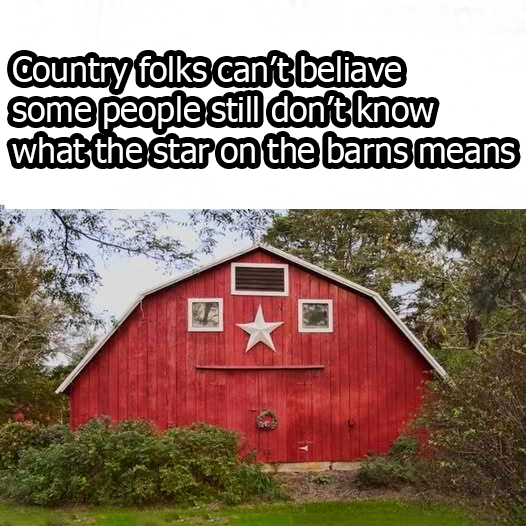
The Meaning Behind Barn Stars
Barn stars, often seen mounted above barn doors or on the sides of old farm buildings, are much more than simple rustic decorations. Whether they’re painted onto wood, crafted from metal, or displayed as ornamental accents, these stars carry a rich cultural and historical meaning — especially within the traditions of German-American farming communities. In some regions, they appear alongside or are even replaced by hex signs or quilt block patterns, but their purpose has long extended beyond decoration alone.
The Origin of Barn Stars
The tradition of barn stars is closely tied to the Pennsylvania Dutch, descendants of German-speaking immigrants who settled in Pennsylvania during the 17th and 18th centuries. These early settlers brought with them many customs, beliefs, and artistic traditions, including the practice of decorating barns with meaningful symbols.
Over time, barn stars became a familiar part of the rural landscape, blending beauty with symbolism and giving each farm a sense of identity and personality.
Good Luck and Protection
Traditionally, barn stars were often seen as protective symbols or talismans. Many farmers believed they could help ward off evil spirits, protect livestock, and invite prosperity onto the property. In this way, the star was more than a decoration — it was a quiet expression of hope for safety, abundance, and good fortune.
For families whose livelihoods depended heavily on weather, harvests, and healthy animals, these symbols often carried both practical meaning and spiritual comfort.
Pride and Craftsmanship
Barn stars also became a way for farmers to express pride in their land, work, and craftsmanship. A well-maintained barn adorned with a decorative star reflected care, attention, and a strong connection to the farm itself.
In many cases, these symbols represented more than belief — they reflected the values of hard work, heritage, and personal identity tied to rural life.
Spiritual and Mystical Beliefs
Some barn stars carried even deeper meaning through their specific colors, shapes, and patterns. Much like hex signs, certain designs were believed to channel positive energy or symbolize blessings such as protection, fertility, harmony, or strength.
This gave barn stars a unique place where art, spirituality, and folklore came together. Even when not taken literally, the symbolism added another layer of beauty and meaning to the tradition.
Family Legacy
In some communities, barn stars also became connected to family history and legacy. Their placement, style, or design could reflect a family’s identity, accomplishments, or the heritage they hoped to pass down through generations.
For many farming families, these symbols quietly told a story — not just about the land, but about the people who worked it and called it home.
Variations: Hex Signs and Quilt Blocks
Over time, barn stars became associated with other forms of folk decoration, especially hex signs and quilt block designs.
Hex signs are often circular and filled with colorful geometric patterns, traditionally believed to attract blessings such as love, luck, health, or abundance.
Quilt blocks, on the other hand, are inspired by traditional patchwork quilt patterns and often symbolize family, creativity, unity, and craftsmanship. Both styles share the same spirit of using visual symbols to express deeper meaning and cultural identity.
Modern-Day Significance
Today, barn stars have mostly moved away from their original mystical or protective role. Instead, they remain popular for their rustic beauty, historical charm, and strong connection to agricultural heritage.
They are now commonly seen not only on barns, but also on homes, garages, sheds, and garden walls, appreciated as decorative pieces that celebrate rural tradition and timeless Americana.
A Living Tradition
Even though their meanings may have evolved over time, barn stars continue to serve as a meaningful link to the past. Whether viewed as symbols of good luck, family pride, cultural heritage, or simply beautiful rustic décor, they remain a lasting reminder of the traditions, beliefs, and values brought by early farming communities.
In that sense, the barn star is more than decoration — it is a small but enduring symbol of history, identity, and connection to the land.