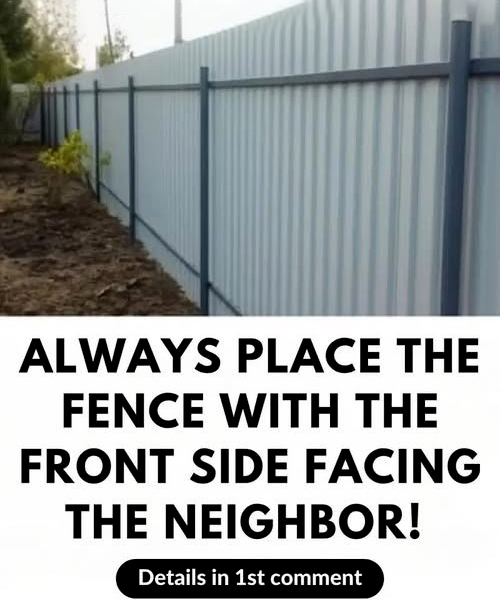
Always place your fence with the front facing your neighbor! Here’s why
When most homeowners decide to build a fence, their first thoughts are usually practical ones — marking property lines, creating privacy, keeping children or pets safe, and improving security. These are all important and valid reasons to install one. But there’s another detail that many people overlook, and it can matter more than you might think: the finished or more attractive side of the fence should face outward toward your neighbor.
At first, this may seem like a small design choice or just a matter of appearance. In reality, however, it’s a simple decision that can carry a lot of importance. The way a fence is positioned can affect your relationship with neighbors, compliance with local building expectations, and even the overall appearance and value of your property.
Promoting Neighborly Goodwill
One of the most meaningful reasons to place the finished side of the fence toward your neighbor is the positive effect it can have on your relationship with them. Maintaining a good relationship with neighbors is an important part of peaceful and respectful living.
While a fence may physically separate two properties, it should not create unnecessary tension or a sense of division. By placing the more polished and attractive side outward, you’re sending a simple but thoughtful message: you care not only about your own space, but also about how your choices affect the people living next to you.
It’s a small gesture, but one that can go a long way in creating goodwill, mutual respect, and a more harmonious neighborhood environment.
This simple act of courtesy can help build trust, prevent resentment, and show genuine respect for the people living next door. It reflects consideration and a willingness to maintain a positive atmosphere between neighboring properties.
On the other hand, placing the unfinished side — with the exposed rails and support posts — facing your neighbor can easily come across as inconsiderate or even disrespectful. Even if that was never your intention, it may leave the impression that appearance and comfort only matter on your side of the property.
Small decisions like this can sometimes lead to unnecessary tension, awkwardness, or even long-term disputes that affect everyday interactions far more than people expect.
Legal and Regulatory Considerations
Beyond simple courtesy, there are also important legal and regulatory reasons to position your fence correctly. In many cities, towns, and homeowner associations, local building codes or neighborhood rules specifically require that the finished side of the fence face outward toward adjoining properties or public-facing areas.
This rule is often in place to help maintain community appearance, neighborhood consistency, and fewer disputes between neighbors. Ignoring it can sometimes lead to more than just an awkward conversation. In some cases, homeowners may face formal complaints, fines, or even be required to alter or completely rebuild the fence — a frustrating and costly mistake that could have been avoided with a little planning.
Taking the time to check local regulations before starting your project can save you money, time, and stress, while also helping ensure the installation goes smoothly from the beginning.
Enhancing Curb Appeal and Property Value
Placing the finished side outward does more than keep the peace — it can also significantly improve your home’s curb appeal and overall presentation.
If your fence is visible from the street or surrounding properties, the way it looks will naturally shape people’s first impression of your home. A neat, attractive fence helps create a more polished and welcoming exterior, which can positively influence how the property is perceived.
On the other hand, if the structural side with exposed rails and posts is the part most visible to others, it can make the fence appear unfinished, less attractive, or even poorly planned. Over time, that can affect not only the visual charm of your property but also how potential buyers may view it if you ever decide to sell.
A well-positioned fence contributes to a more cohesive, well-maintained look and reflects positively on your attention to detail as a homeowner.
Respecting Global and Cultural Norms
Interestingly, this idea is not just a local custom — it is a widely accepted standard in many parts of the world. In many communities and cultures, placing the finished side outward is seen as a basic sign of respect, fairness, and good manners.
At its core, this practice reflects a simple but meaningful principle: the way we shape our own property should also show consideration for the people who live around us. It’s a reminder that good design is not only about what works for us, but also about how our choices affect shared spaces and relationships.
Tips for a Successful Fence Project
If you want your fence project to go smoothly and avoid unnecessary misunderstandings, there are a few smart steps worth taking before construction begins.
First, always review your local building codes, zoning rules, or HOA guidelines to make sure you understand any requirements regarding fence placement, height, and orientation.
Second, it’s a good idea to talk openly with your neighbors before building. Letting them know your plans and giving them the chance to share any concerns can go a long way toward avoiding future tension and showing that you respect their input.
You may also want to consider a double-sided or “good neighbor” fence design, which looks attractive from both sides. These styles eliminate the issue entirely and can be especially useful when both appearance and neighbor relations matter. While they may cost a little more upfront, they often provide better long-term value in both appearance and peace of mind.
And of course, like any part of your property, fences need ongoing maintenance. Regular staining, painting, and prompt repairs will help keep your fence looking attractive and structurally sound for years to come.
The Takeaway
In the end, a fence is about more than marking a boundary. It is also a reflection of how thoughtfully and respectfully you choose to live alongside others.
Facing the finished side of the fence toward your neighbor may seem like a small detail, but it can make a big difference. It helps promote good relationships, legal compliance, better curb appeal, and a stronger sense of community.
By approaching your fence project with care, you are not just building a physical barrier — you are also reinforcing the values of respect, consideration, and responsible homeownership.