I’ve Been to Cracker Barrel Hundreds of Times, But Never Knew This Hidden Secret About the Restaurant’s Décor, Menu, and History — The Truth Behind America’s Favorite Country Stop That Has Customers Looking Twice Every Time They Walk Through the Door
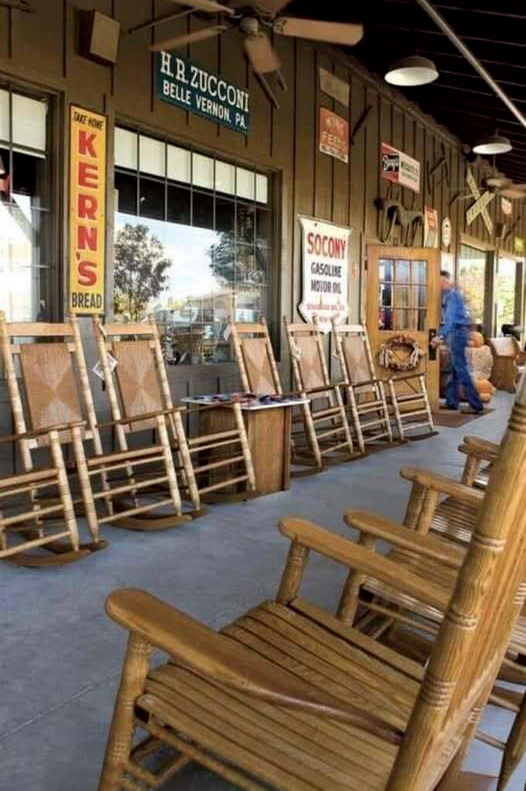
For decades, Cracker Barrel has been more than just a place to grab a meal on the road — it’s become a true piece of Americana. From the signature rocking chairs lined up on the front porch to the old-fashioned country store and the comforting smell of biscuits, gravy, and home-cooked meals, stepping inside feels like taking a trip back in time. For many families, it’s more than a restaurant — it’s a tradition. But what a lot of people don’t realize is that behind its cozy charm, Cracker Barrel is full of surprising details and hidden stories most guests never notice.
One of the first things people always notice is the décor. Every wall, shelf, and corner is packed with vintage signs, old photographs, antique tools, and pieces of American history. Even though each location feels familiar, no two restaurants are exactly the same — and that’s completely intentional. Cracker Barrel doesn’t decorate its restaurants with cheap replicas or mass-produced “country-style” pieces. Instead, the company is known for using real antiques and authentic historical items, carefully chosen to create that nostalgic atmosphere. It’s one of the reasons the place feels so genuine — because in many ways, it actually is.
Each Cracker Barrel restaurant is carefully designed to feel unique, with around 1,000 genuine artifacts displayed throughout every location. No two stores are exactly the same. In one restaurant, you might spot a hand-crank washing machine, while another may feature a quilt dating back to the Civil War era. To make this possible, Cracker Barrel maintains a massive warehouse in Tennessee that holds hundreds of thousands of vintage items, all used to create the brand’s signature nostalgic atmosphere. Before a new location opens, designers personally select décor pieces that reflect the local area’s history and character. That’s why walking into a Cracker Barrel often feels less like entering a chain restaurant and more like stepping into a carefully preserved piece of the past — almost like wandering through a grandparent’s attic filled with stories.
Even the name “Cracker Barrel” carries a piece of American history. In the 1800s, general stores commonly kept barrels of soda crackers near the front of the shop. These barrels naturally became gathering spots where locals would stand around, talk, exchange stories, and catch up on community news — giving rise to the phrase “cracker barrel conversation.” That sense of warmth, familiarity, and everyday connection is exactly what founder Dan Evins wanted to recreate when he opened the very first Cracker Barrel in Lebanon, Tennessee, in 1969. At the time, Evins was working for Shell Oil and saw how America’s growing highway system was changing the way people traveled. Roads were getting faster and longer, but the charm and hospitality of small-town stops were disappearing. His vision was to build a place where travelers could slow down, enjoy a comforting meal, and feel surrounded by the spirit of old America — and that idea became the heart of Cracker Barrel.
Now, if you’ve ever ordered breakfast at Cracker Barrel, you’ve probably noticed something a little unusual—the menu doesn’t change much. While most restaurants constantly chase new trends, Cracker Barrel has built its reputation on consistency. Classic dishes like chicken and dumplings, country fried steak, and their famous buttermilk pancakes have remained favorites for decades. But what many guests don’t realize is that some of these recipes are rooted in tradition, inspired by handwritten notes and family-style cooking methods passed down from the restaurant’s earliest days. In many cases, ingredients are still sourced from long-standing partnerships with American farms, helping preserve that authentic, home-cooked flavor.
Then there’s the gift shop—a space that feels like part museum, part treasure hunt. It may seem like it was added just for charm, but it actually played a crucial role in the company’s success. Founder Dan Evins included it from the very beginning as a way to keep the business stable during slower dining seasons. Over time, that idea proved incredibly smart. Today, the retail section generates nearly 20% of Cracker Barrel’s total revenue, making it a key reason the brand has continued to grow while many others have struggled.
And perhaps one of the most meaningful details of all is something many people overlook entirely—the porch rocking chairs. Each one is handcrafted by the Hinkle Chair Company, a family-run business in Springfield, Tennessee, that has been producing them for Cracker Barrel for over 40 years. Every chair is carefully built, inspected, and painted by hand, designed to last for generations. For many visitors, those rockers aren’t just a place to sit—they’re part of the experience. In fact, thousands of guests have purchased their own, bringing a small piece of that comfort home with them.
So the next time you visit Cracker Barrel—whether you’re stopping in for a warm plate of biscuits or simply relaxing in one of those wooden rockers—take a moment to look around. Every photo, every tool, every small detail has a story behind it. Beneath the comfort food and cozy atmosphere lies something deeper: a living reflection of American history, carefully preserved in plain sight.
And once you notice it, you’ll never walk through those front doors the same way again.