If You Spot a Purple Painted Fence, Here’s What It Really Means
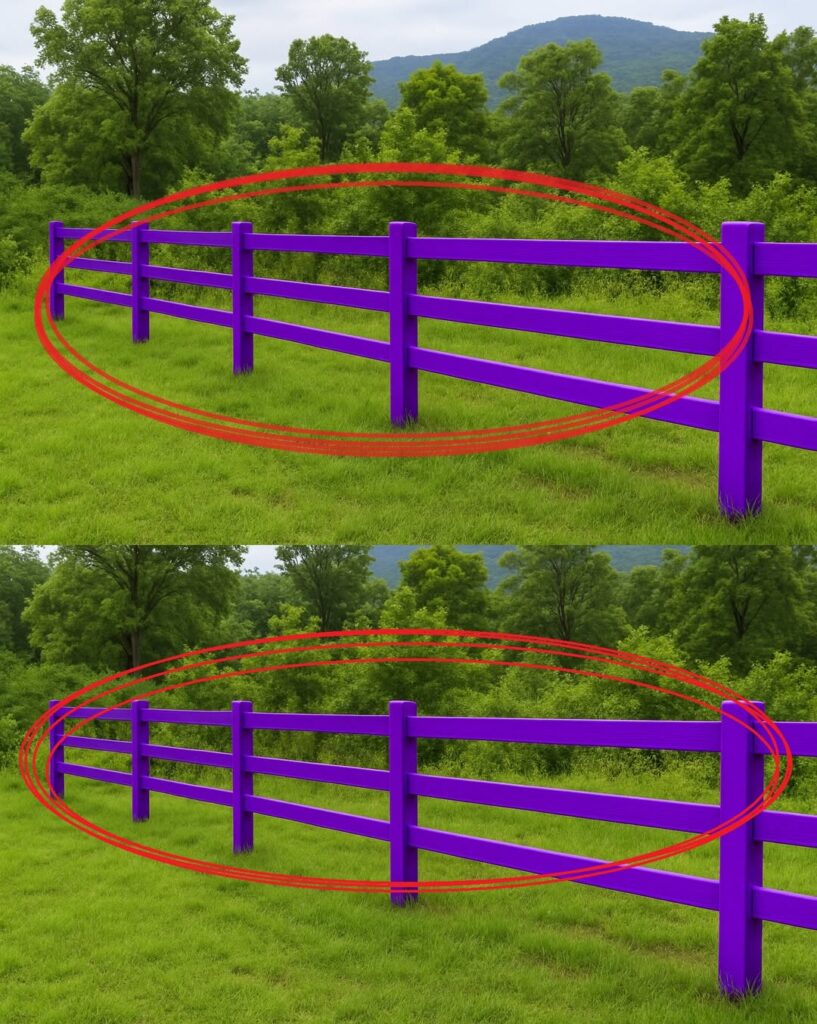
Exploring the outdoors can lead to all kinds of unexpected discoveries—hidden paths, wildlife, and sometimes even oddly painted fences. One sight that tends to stop people in their tracks is a bright purple fence. While it might look like a fun design choice, that splash of color carries a serious message.
A purple-painted fence isn’t just decoration. In many U.S. states, purple paint on fences, posts, or trees is a legal warning that the property is private and trespassing is prohibited. These “purple paint laws” offer landowners a long-lasting, cost-effective alternative to traditional “No Trespassing” signs.
Why purple? The color stands out sharply against natural surroundings and resists fading. Even from far away, it’s hard to miss—making it an ideal marker for property boundaries, especially in rural or wooded areas where signs can fall, weather, or be removed.
In states where the law applies, a purple fence holds the same legal weight as a posted sign. Ignoring it can lead to fines, legal consequences, or even arrest. Hikers, hunters, and campers are especially encouraged to stay aware of this color when exploring unfamiliar terrain.
However, not every state uses purple paint as a legal boundary marker, so it’s smart to check local regulations before heading off on outdoor adventures.
Beyond the law, the purple marks symbolize something simple and universal: the landowner’s request for privacy and respect. Painting a fence purple is a clear and straightforward way of saying, “Do not enter.”
So the next time you spot a purple fence on your travels, think twice before approaching. It’s more than just paint—it’s a boundary with meaning.
In short, that vivid purple serves as a bold reminder: always respect private property.