This TikToker’s $30K Tiny Home Is Going Mega Viral — 30M Views and Climbing!
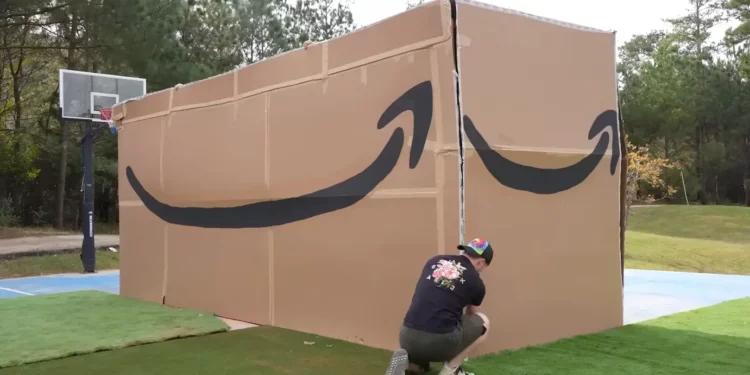
The housing crisis in America has led to a surge of creative and unconventional solutions—one of the most surprising being the rise of tiny, expandable prefab homes purchased directly from online retailers like Amazon.
This trend exploded in popularity after a TikToker known as “unspeakk” shared his experience buying a $30,000 tiny home from Amazon. His video quickly went viral, racking up nearly 31 million views and sparking widespread curiosity about affordable, prefabricated living.
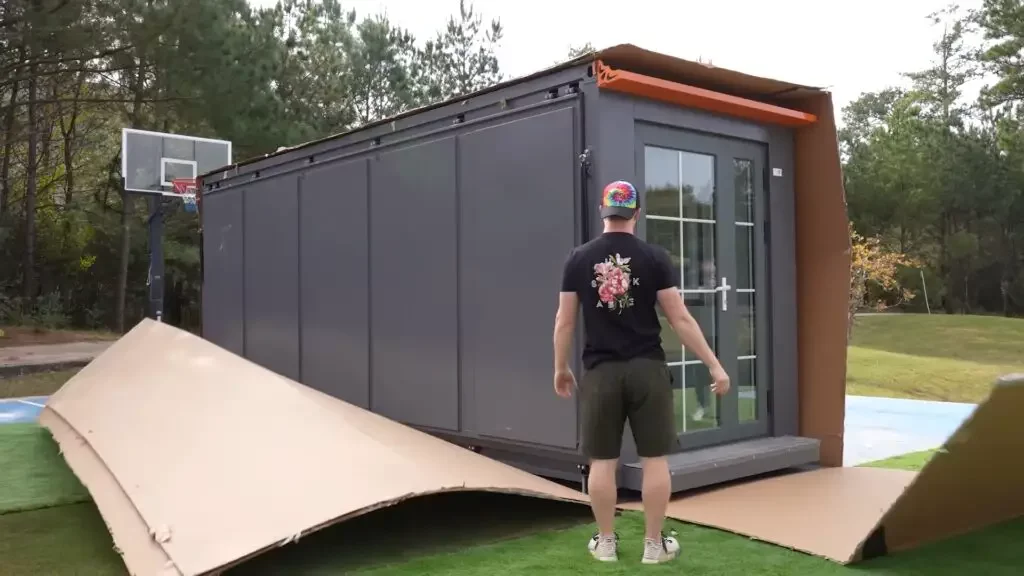
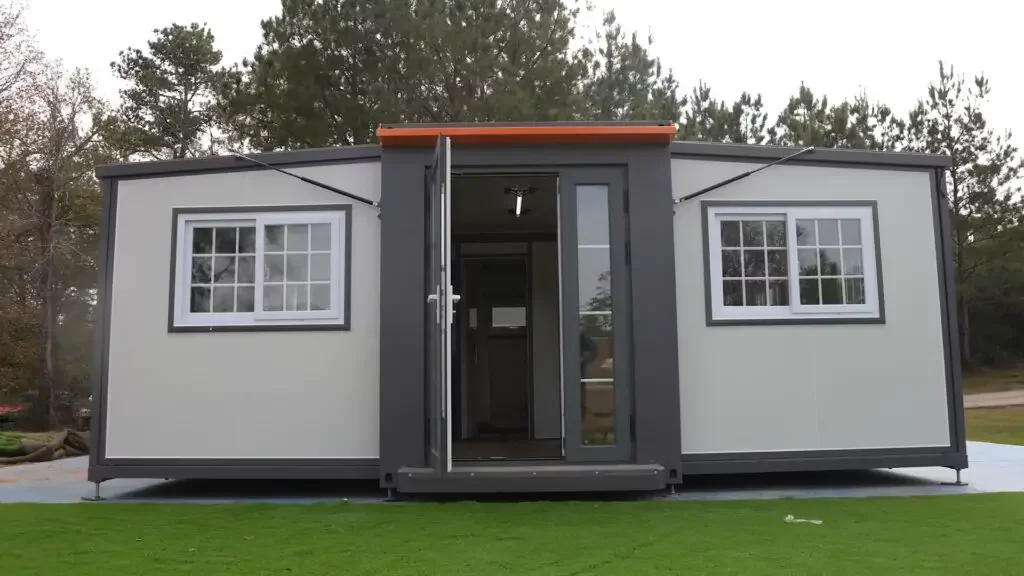
The model he featured—the “DOINUO Mobile Expandable Prefab House”—comes equipped with a restroom and an outdoor storage shed. With standard dimensions of L19 x W20 x H8 ft, it offers a surprisingly spacious interior and generous storage capacity for a home of its size.
Features of Amazon’s Tiny Homes
Amazon’s listing for these tiny homes highlights their emphasis on smart design, convenience, and efficient use of space.
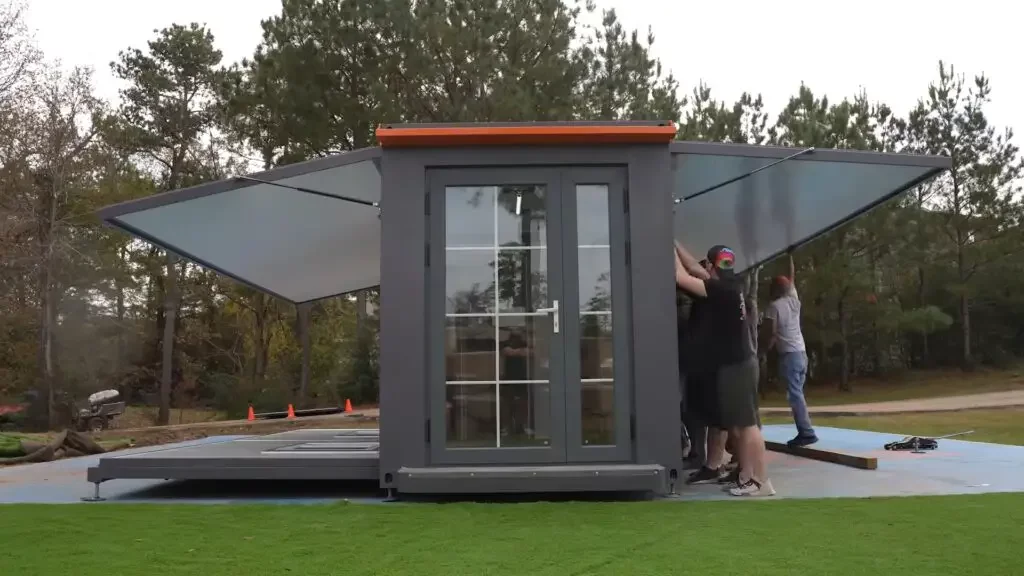
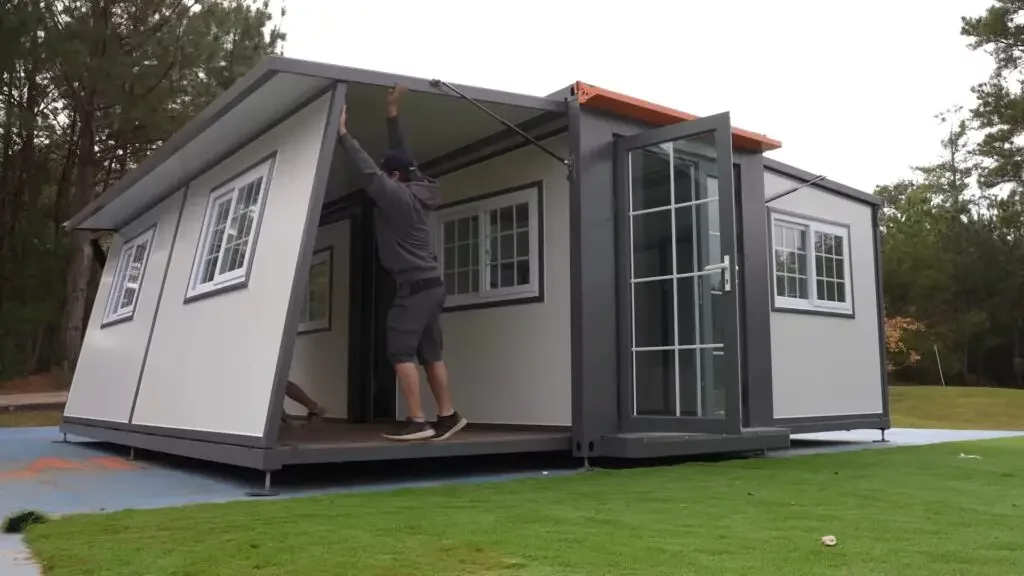
One of the most appealing features is their foldable structure, which allows for easy transportation and flexible placement—ideal for anyone who values mobility or needs to maximize limited space. The homes also feature a sleek, modern exterior, adding visual appeal whether placed in a backyard, rural property, or small urban lot.
This blend of compact functionality and contemporary aesthetics makes these tiny homes attractive to a wide variety of buyers. From young professionals searching for an affordable entry into homeownership to retirees wanting to downsize without sacrificing comfort or style, the design of these prefab homes offers something for everyone.
Tiny Homes as a Solution
This trend is more than a viral moment—it reflects a broader shift in how young adults view housing amid a nationwide shortage.
With the U.S. facing an estimated shortage of 3.2 million homes, rising prices have pushed traditional homeownership out of reach for many. As a result, tiny homes—like those available on Amazon—are emerging as a practical, cost-effective alternative.
Many of these prefab units can be shipped within just a few days, offering a rapid solution compared to the long, stressful, and often competitive process of buying a traditional home. For individuals seeking immediate, affordable housing, these tiny homes provide a timely and accessible option in a market struggling to meet demand.
Amazon’s Tiny Home Options
Amazon offers a growing selection of portable, prefabricated tiny homes from brands like Zolyndo, with prices typically ranging from $20,000 to $35,000. These models come with a wide range of features to suit different needs and budgets.
Many units include built-in bathrooms, while higher-end models offer expanded layouts that can accommodate two bedrooms, a living room, a bathroom, and a kitchen. With sizes reaching up to 380 square feet, these homes feature an expandable steel frame and thermal insulation, making them both durable and comfortable for long-term living.
The variety in design, size, and amenities gives buyers the flexibility to choose a tiny home that aligns with their lifestyle—whether they need a simple, compact space or a more fully equipped layout. This diversity makes tiny homes a versatile and accessible housing option for a wide range of people.
Social Media Experiments
The tiny home trend has been put to the test by social media creators like the team at unspeakk, who purchased a foldable house from Amazon and documented the entire experience on TikTok. Their video—featuring the unboxing and walkthrough of the shipping-container-style unit—highlighted the practicality of the design, including a fully functional, compact bathroom.
These firsthand demonstrations offer valuable insight into what living in a prefab tiny home is actually like. They showcase the strengths of the designs while also revealing areas where improvements could enhance comfort and usability.
The Community’s Response
TikTok’s tiny home experiments have sparked a wide range of reactions. Some viewers are excited by the innovation, affordability, and potential these homes offer, while others remain skeptical about their long-term practicality.
Supporters applaud the creative, cost-effective approach to housing, seeing tiny homes as a promising solution for those priced out of the traditional market. Meanwhile, skeptics voice concerns about space constraints, privacy, durability, and whether these homes can adapt to different climates and living environments.
This blend of enthusiasm and caution reflects the broader debate surrounding alternative housing solutions.
Summary
Overall, the rise of Amazon-purchased tiny homes marks a fascinating shift in the American housing landscape. These compact, affordable living spaces offer a potential solution to the country’s housing crisis, especially for individuals seeking flexibility and minimalism.
However, as with any major lifestyle adjustment, tiny home living comes with challenges and requires thoughtful planning and realistic expectations.
The tiny home movement highlights how housing in America is evolving—toward greater efficiency, affordability, and adaptability—as people seek new ways to navigate a changing world.
Source: Unspeakable