Small Spaces, Sustainable Futures: How Tiny Homes Are Transforming Lives
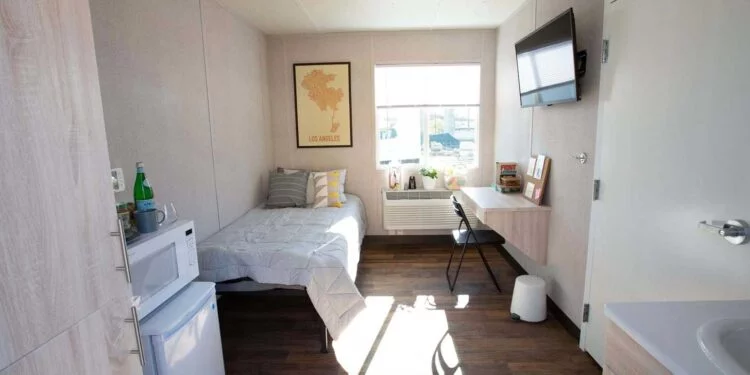
The environmental cost of traditional housing has reached a critical point, and the tiny home movement is emerging as a meaningful solution to the ecological crisis. Sustainable tiny living is more than a passing trend—it represents a fundamental shift toward environmental responsibility, resource conservation, and mindful consumption, redefining how we perceive the concept of home.
This in-depth look at sustainable tiny living explores the environmental advantages, cutting-edge technologies, and lifestyle adaptations that make tiny homes one of the most effective ways for individuals to reduce their ecological footprint while improving their overall quality of life.
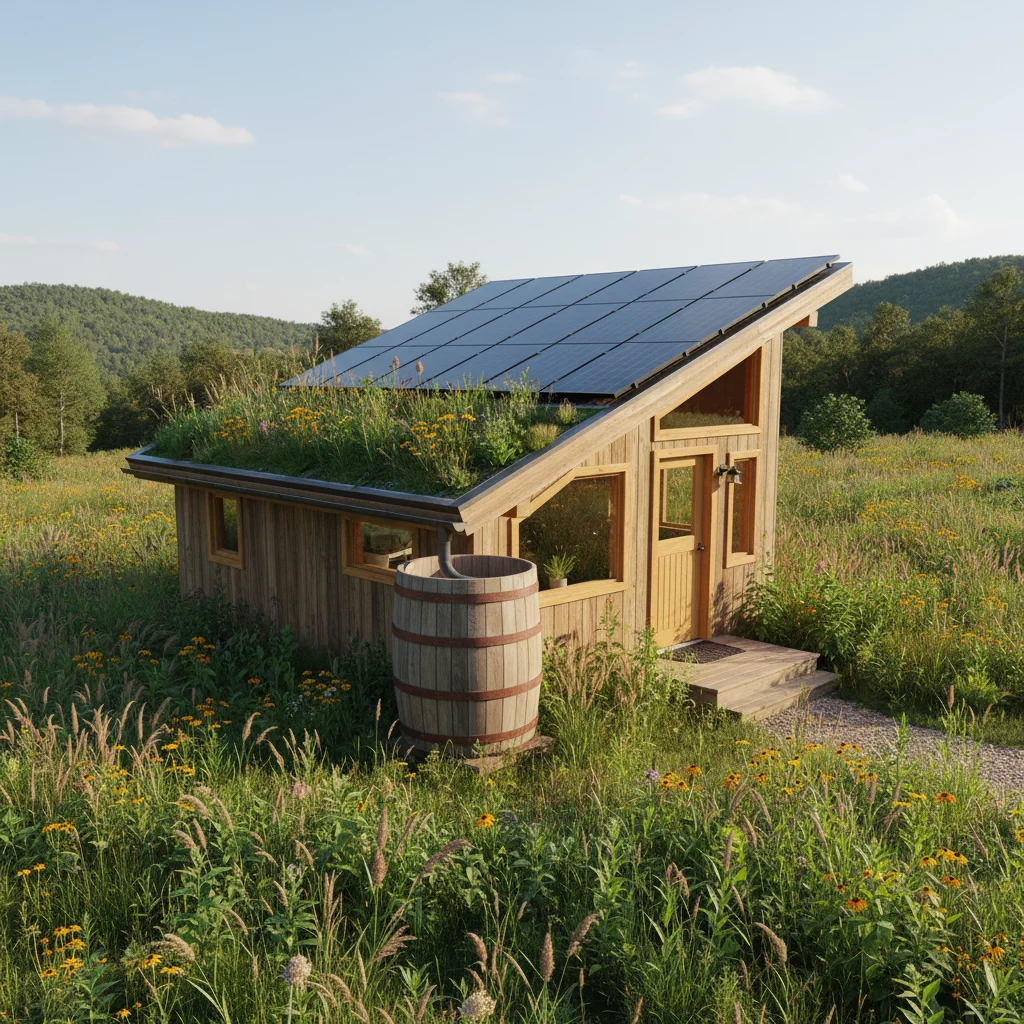
The Environmental Crisis and Housing’s Role
Traditional housing exerts a tremendous toll on natural resources throughout its lifecycle—from construction materials and energy usage to ongoing heating, cooling, and maintenance. On average, an American home consumes 10,000 gallons of water per month, uses 10,000 kilowatt-hours of electricity annually, and requires thousands of pounds of construction materials. Tiny homes challenge this model by reducing resource consumption by 80–90%, often while enhancing comfort and functionality.
Carbon Footprint Reduction
The environmental benefits of tiny home living begin with construction and extend over decades of use. A typical tiny home requires roughly 70% fewer materials than a conventional house, significantly lowering the embodied energy in building materials. Considering that the production, transportation, and processing of construction materials contribute around 15% of global carbon emissions, this reduction has a meaningful impact on a global scale.
During daily operation, tiny homes use 50–80% less energy than traditional homes due to their smaller size and efficient design. Reduced volume means less energy is needed for heating and cooling, while contemporary tiny home designs incorporate energy-efficient appliances, lighting, and insulation systems, further minimizing their ecological footprint.
Land Use Revolution
Traditional suburban development consumes vast amounts of land, often replacing natural habitats with lawns and impervious surfaces. Tiny home communities and villages use 5–10 times less land per household than conventional subdivisions, enabling compact development that preserves natural areas and supports biodiversity.
Efficient land use extends beyond community planning. Tiny homes can be placed on smaller lots, infill properties, or repurposed urban spaces, making use of areas that would otherwise remain vacant while reducing the need for sprawling developments that fragment ecosystems.
Energy Independence and Renewable Integration
The compact size and lower energy demands of tiny homes make them ideal platforms for renewable energy systems that would be costly or impractical in larger residences.
Solar Power Optimization
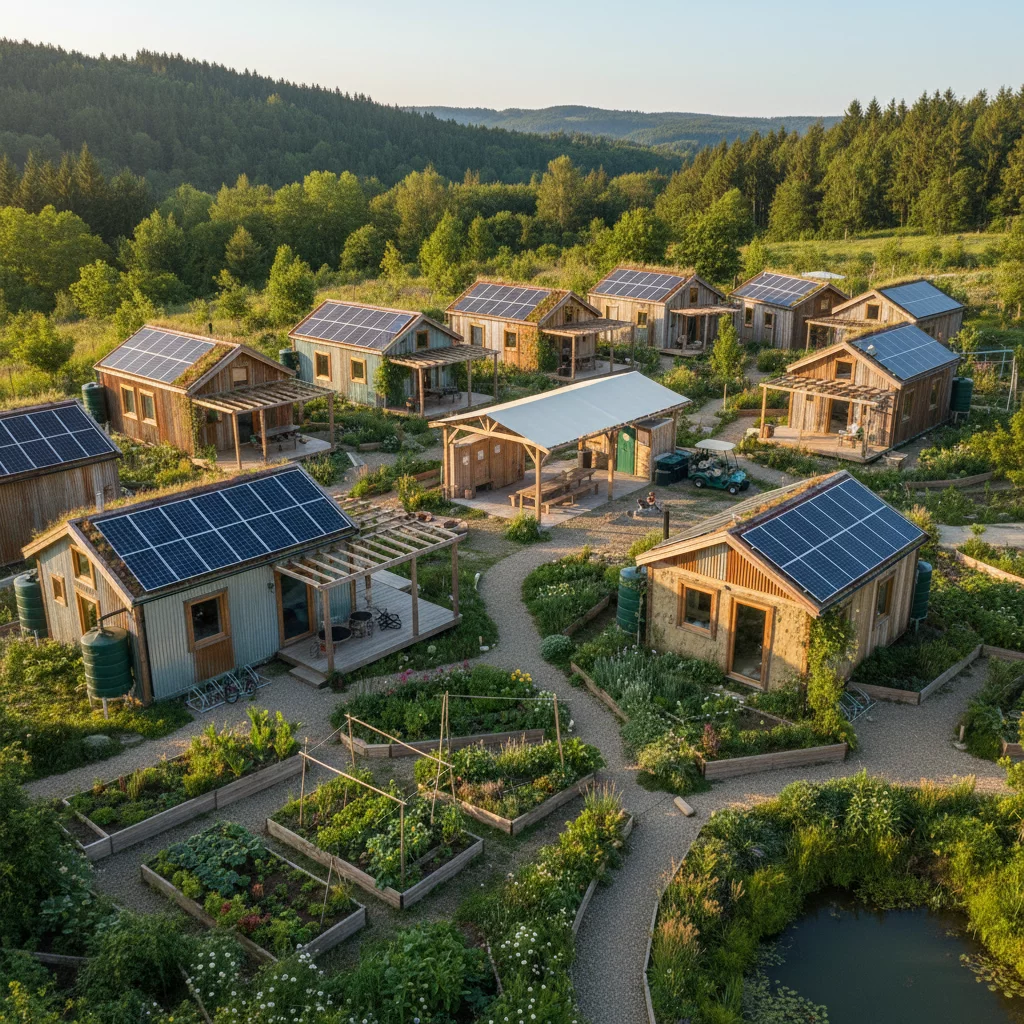
Solar energy systems for tiny homes can often achieve full energy independence with significantly fewer panels—typically 8–12—compared to the 30–40 panels needed for conventional houses. Smaller systems reduce costs while providing the same level of energy autonomy.
Modern battery storage solutions, particularly lithium-ion systems, allow tiny homeowners to store excess energy for use during cloudy days or nighttime, providing 3–7 days of power independence and ensuring comfort and safety in all conditions.
Wind and Hydro Integration
Tiny homes’ versatility and remote placement capabilities make them ideal candidates for supplementary renewable sources. Small-scale wind turbines can enhance energy supply in windy areas, while micro-hydro systems can generate consistent power for homes near streams or rivers.
Smart Grid Integration
Many tiny homes are designed to connect with smart grids, enabling owners to sell surplus energy back to utilities. This net metering reduces electricity costs while contributing clean energy to local grids, benefiting both the homeowner and the broader community.
Water Conservation and Management
As global water scarcity becomes an urgent issue, tiny home living offers innovative solutions for efficient water use and independent management.
Rainwater Harvesting Systems
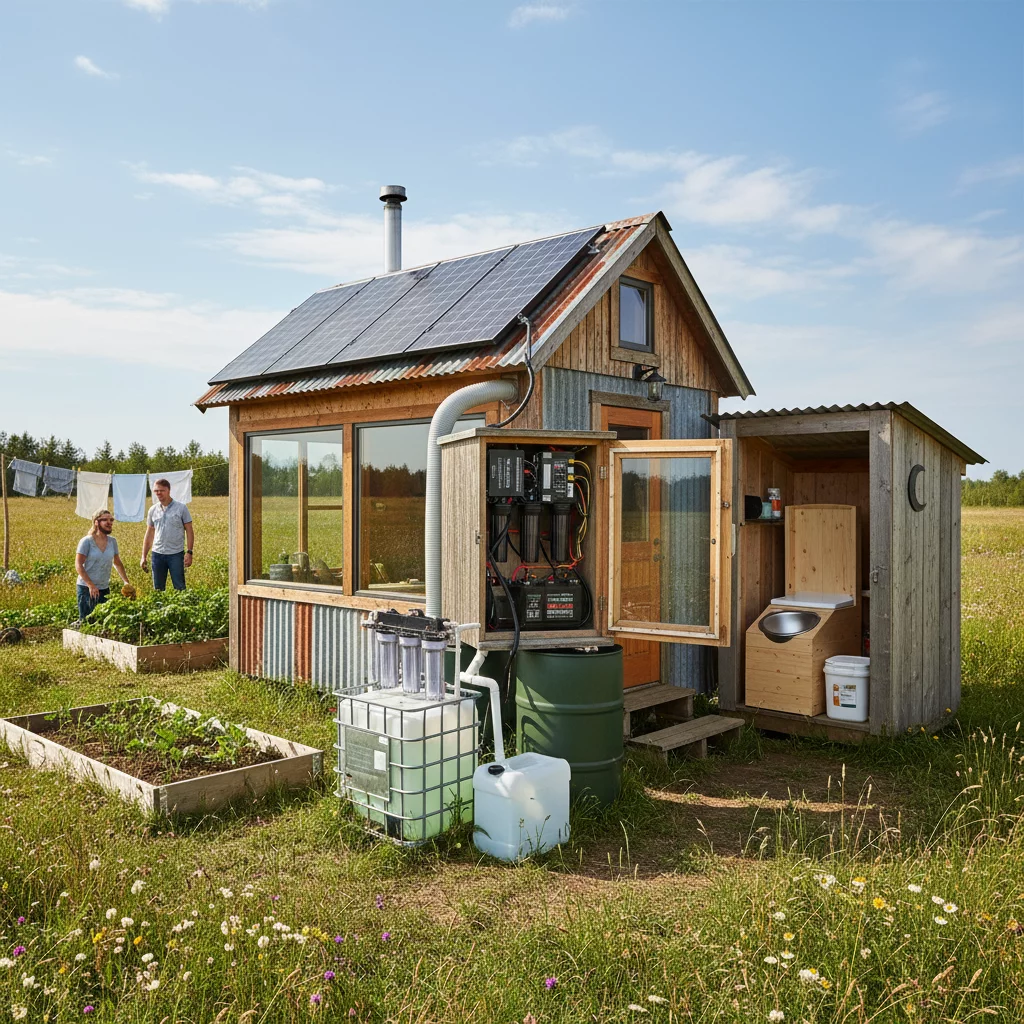
The compact roof area of tiny homes makes rainwater collection highly practical. A typical tiny home can capture 500–800 gallons of water per inch of rainfall, providing substantial water reserves even in regions with moderate precipitation. Advanced filtration and purification systems ensure that harvested water is safe for drinking and household use.
Greywater Recycling
Sophisticated greywater recycling systems can treat and reuse water from sinks, showers, and washing machines for irrigation or toilet flushing. These systems can reduce overall water consumption by 30–50% while maintaining the convenience and comfort of modern living.
Composting Toilets and Waste Management
Many sustainable tiny homes utilize composting toilets, eliminating the need for water-intensive sewage systems. These systems safely convert waste into usable compost without producing harmful runoff. Combined with effective greywater management, they create fully self-contained, eco-friendly waste treatment solutions.
Sustainable Materials and Construction
The tiny home movement has sparked innovation in sustainable building materials and construction methods, reducing environmental impact while maintaining durability and aesthetic appeal.
Recycled and Reclaimed Materials
Reclaimed lumber, shipping containers, and recycled metal siding are popular choices in tiny home construction. These materials give new life to items that might otherwise go to waste, often providing unique aesthetic qualities while significantly lowering the environmental footprint of new production.
Engineered Bamboo and Green Materials
Advanced bamboo products provide the strength of hardwood with faster renewable cycles, while hemp insulation, cork flooring, and recycled glass countertops showcase how natural and recycled materials can create functional, beautiful interiors with sustainable production practices.
Modular and Prefabricated Construction
Many tiny homes use modular construction techniques that reduce waste and improve efficiency. Factory-built components allow precise material use, minimize on-site waste, enhance quality control, and shorten construction time, reducing environmental disruption.
Permaculture and Food Production
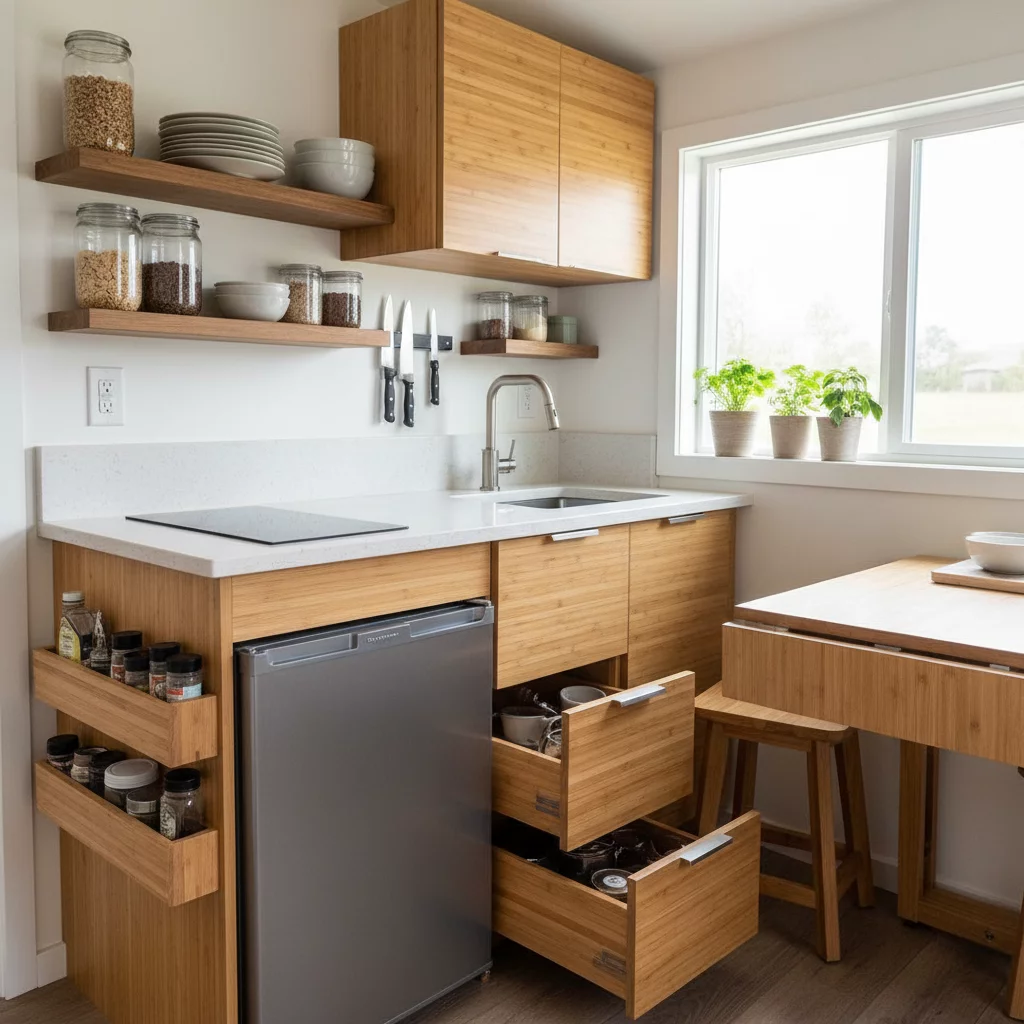
Tiny home living often integrates food production systems that reduce environmental impact while providing fresh, healthy meals for residents.
Container Gardening and Vertical Farms
Compact food-growing solutions—such as vertical gardens, hydroponic systems, and container vegetable gardens—allow tiny home residents to cultivate a significant portion of their produce within limited space. This not only supplies fresh food but also reduces emissions and packaging waste associated with conventional food distribution.
Preservation and Storage
Efficient food preservation techniques, including solar dehydrators, root cellars, and vacuum-sealed storage, extend the usability of harvests and minimize food waste. Many tiny homes incorporate dedicated storage areas optimized for long-term preservation and inventory management.
Waste Reduction and Circular Economy
The minimalist lifestyle of tiny home living naturally aligns with circular economy principles, emphasizing reuse, repair, and recycling over disposal.
Minimal Packaging Consumption
Tiny home residents often consume fewer goods, resulting in less packaging waste. Bulk purchasing, local sourcing, and package-free alternatives further reduce environmental impact while supporting local economies.
Repair and Maintenance Culture
A culture of self-reliance and repair is common among tiny home owners. Maintaining and repairing possessions extends their lifespan, countering the disposable culture prevalent in conventional housing and significantly reducing waste.
Community Resource Sharing
Tiny home communities frequently implement resource-sharing systems for tools, vehicles, and other necessities. Tool libraries, car-sharing programs, and skill-exchange networks reduce individual consumption while strengthening community ties and lowering collective environmental impact.
Climate Resilience and Adaptation
The flexibility and efficiency of tiny homes make them well-suited for strategies aimed at climate resilience and adaptation.
Disaster Recovery Applications
Tiny homes can serve as rapid housing solutions following natural disasters, providing interim shelter while permanent structures are rebuilt. Their modular design allows for quick deployment and seamless integration with existing communities.
Flood and Fire-Resistant Designs
Elevated tiny home designs enhance flood resilience without compromising accessibility. Fire-resistant materials and defensible space principles reduce wildfire risk, particularly in mountain and forest regions.
Seasonal Mobility Options
Many tiny homes are designed for seasonal relocation, enabling residents to move away from areas experiencing extreme weather. This mobility not only enhances climate resilience but also supports diverse regional economies.
Economic and Environmental Benefits
The cost efficiency of tiny home living generates positive feedback loops that support both environmental sustainability and improved quality of life.
Reduced Transportation Costs
Lower housing expenses free up resources for sustainable products, high-quality food, and environmentally conscious experiences. Many tiny home residents report heightened environmental awareness as a result of this lifestyle.
Investment in Quality Over Quantity
Space limitations encourage investment in durable, high-quality products rather than disposable alternatives. This approach reduces waste while offering long-term economic and environmental benefits.
Local Economic Support
Tiny home owners often prioritize local businesses and farmers, reducing transportation emissions and strengthening regional economies. This focus creates a cycle of positive environmental and economic impact within communities.
Challenges and Solutions
Despite the numerous benefits, tiny home living presents challenges that require innovative solutions. These include navigating building codes, financing, and community planning, all of which are evolving to support safe, sustainable adoption.
The environmental advantages are measurable and significant: reduced energy consumption, minimized waste, preserved natural areas, and lower carbon emissions. These benefits extend beyond individual households to impact communities and even global sustainability efforts.
Tiny home communities illustrate how collective action can amplify environmental gains while fostering stronger social ties and more resilient local economies. Furthermore, the lifestyle encourages conscious consumption, resource stewardship, and a deeper appreciation for environmental conservation.
As environmental challenges intensify worldwide, sustainable tiny living offers a practical, scalable path forward—demonstrating how individual choices can drive meaningful ecological benefits while enhancing quality of life. With ongoing innovation and expansion, tiny home living is poised to play an increasingly important role in the future of sustainable housing.