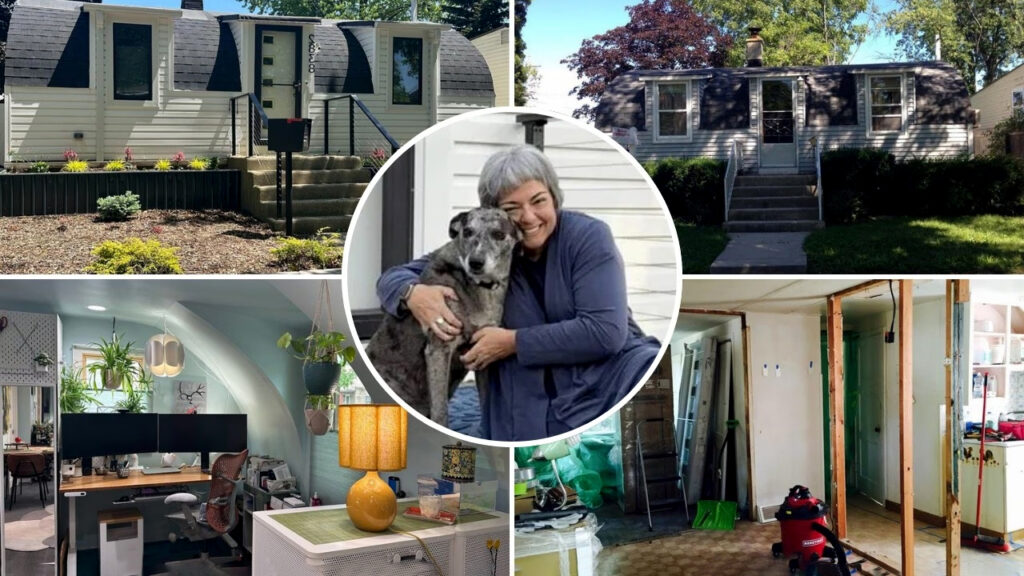
Is This the Best Tiny House in America? Here’s What It Cost—and How Much It Saves
Tiny homes are often seen as cute, affordable, and simple—but they always raise one big question:
Can you really live in one and be happy?
For Jacqueline Urick, the answer is a clear yes.
She lives in a 540-square-foot home in Sturtevant, Wisconsin, alongside her dog, Spice—and she wouldn’t have it any other way.
“I had never stayed in a tiny home before I bought mine,” she says, “but I’ve always been drawn to unique and unusual properties.”
And this one is truly different.
The home is actually a converted Quonset hut, originally built during World War II as a military storage unit. Today, only a few remain—and some have been transformed into small residential homes in her area.
When Jacqueline first came across the two-bedroom, one-bath home, sitting on a small lot and priced at just $35,000, she was immediately intrigued. But there was a catch—it had been sitting on the market, run-down and in need of serious work.
“My dad really didn’t want me to buy it,” she admits.
But no matter how many traditional homes she looked at, she kept coming back to this one.
With a job that requires frequent travel, she realized something important:
she didn’t need a big house—she needed the right one.
So she trusted her instincts.
And in March 2023, she made the move.
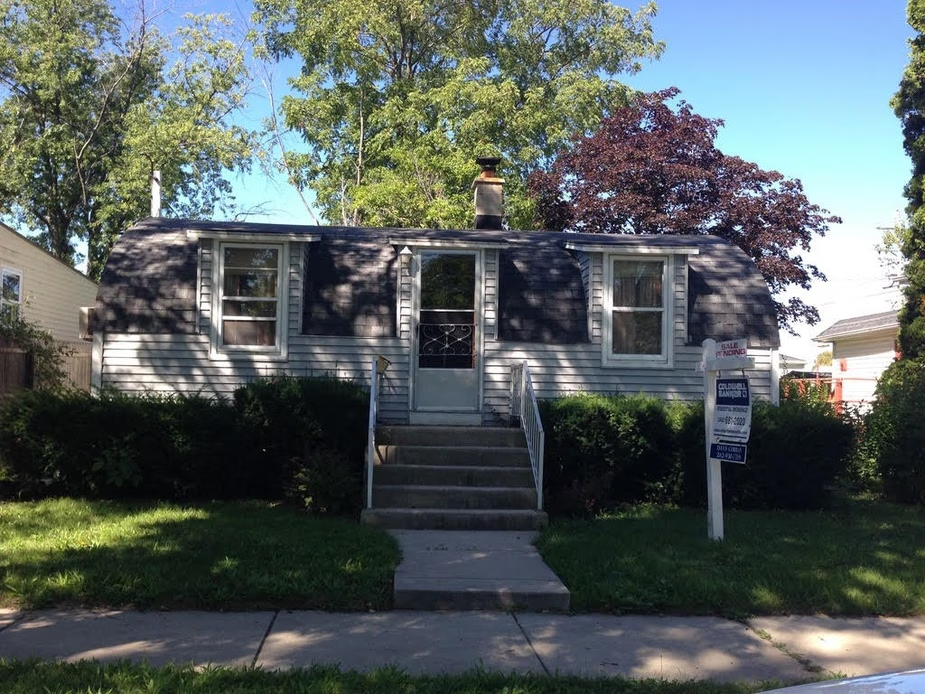
Homeowner Jacqueline Urick’s $35,000 tiny home before the renovationJacqueline Urick
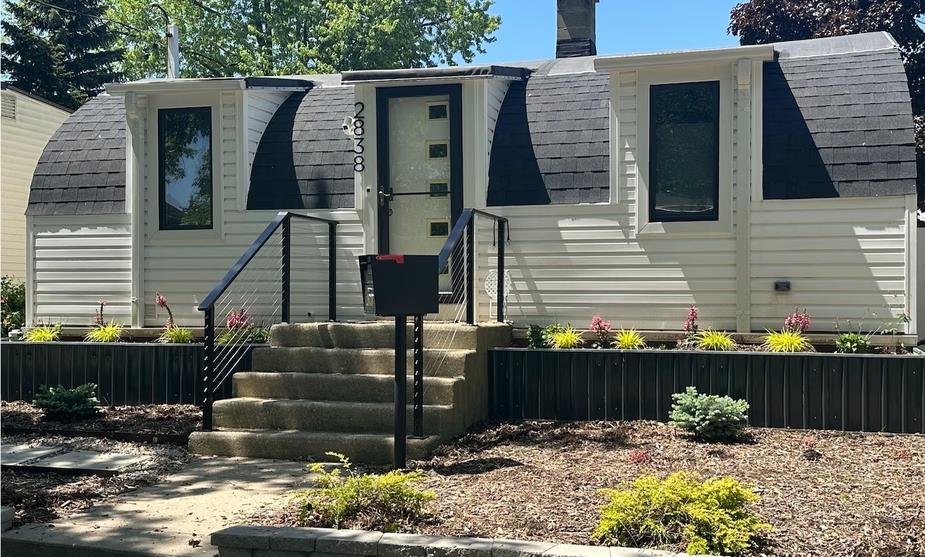
The new exteriorJacqueline Urick
The Benefits and Challenges of Tiny Living
When Jacqueline Urick moved from a 1,000-square-foot loft in St. Paul, Minnesota, to her 540-square-foot tiny home in Sturtevant, she wasn’t sure how the adjustment would feel. But surprisingly, downsizing turned out to be much easier than expected—and even came with some clear advantages.
One of the biggest benefits? Less space means less work.
“It’s not a lot to clean and maintain,” she explains—something many homeowners quickly come to appreciate.
There’s also a major financial upside. With a smaller space, heating and cooling costs stay low, making monthly utilities far more manageable. While reducing her environmental impact wasn’t her main goal, living smaller has also helped her naturally lower her carbon footprint—an added bonus.
Of course, tiny living isn’t without its trade-offs.
Because of the home’s curved Quonset-style walls, displaying personal items like artwork and sentimental pieces can be difficult. Some of those belongings have had to be placed in storage, simply due to limited wall space.
And when it comes to hosting guests, space becomes even more noticeable.
“Once you have more than three people inside, it starts to feel a little tight,” she says. Small gatherings work best—and for anything larger, the outdoors becomes an extension of the living space.
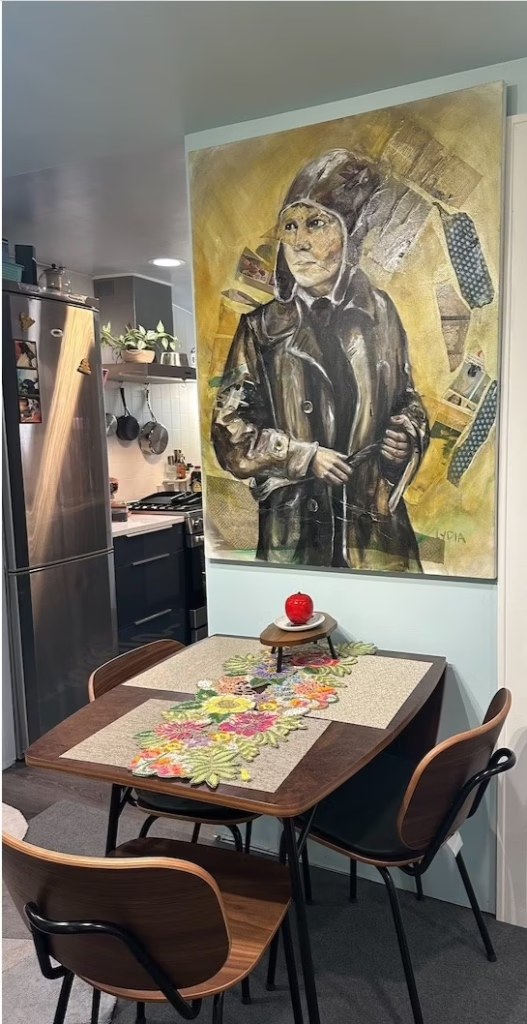
The dining space holds the original table Urick revamped during the renovation.Jacqueline Urick
Less Space, Less Clutter — and More Discipline
One of the unexpected lessons Jacqueline learned from tiny living is that clutter builds up fast. With limited room, every item has to justify its place—and that completely changed how she shops.
“I’ve definitely stopped buying random home stuff,” she says.
Now, instead of impulse purchases, she often finds herself thinking:
“I like it… but where would I even put it?”
The same goes for clothing. Her closet is so compact that if she buys something new, something else has to go. In a strange way, the small space has made her more intentional—not just about storage, but about money, habits, and what she actually needs.
How Much the Home Cost — and What Renovations Really Added Up To
One of the biggest draws of the home was its tiny price tag. At just $35,000, Jacqueline bought the property for less than the cost of many new cars.
“I paid cash for the home,” she explains. Because the house was a nontraditional property, financing wasn’t as straightforward. Looking back, though, she says she would have considered a loan if it meant having renovation funds available immediately.
What she didn’t realize at the time was that many lenders require homeowners to wait six months before applying for a home equity loan. By the time she was finally able to begin renovations, she quickly discovered that restoring a tiny house wasn’t going to be cheap.
“It’s way more cash upfront than people think,” she says.
In total, Jacqueline spent around $110,000 on renovations, including:
- Foundation work: $35,000
- Exterior improvements: $25,000
- Plumbing: $13,000
- Electrical: $13,000
- Acrylic kitchen cabinets and countertop: $20,000
One of the biggest surprises was realizing that small doesn’t always mean cheaper when it comes to remodeling. In fact, renovation costs per square foot can often be higher in a tiny home, simply because the labor and setup costs don’t shrink as much as the house does.
For example, the foundation work required trenching around the home—and whether contractors are digging 60 feet or 200 feet, the cost to bring in equipment and prepare the site doesn’t change much.
The same logic applied to the kitchen.
Whether she ordered five cabinets or fifty, the delivery still required the same size truck, the same scheduling, and the same overhead.
Tiny living may save space—but as Jacqueline learned, it doesn’t always save money upfront.
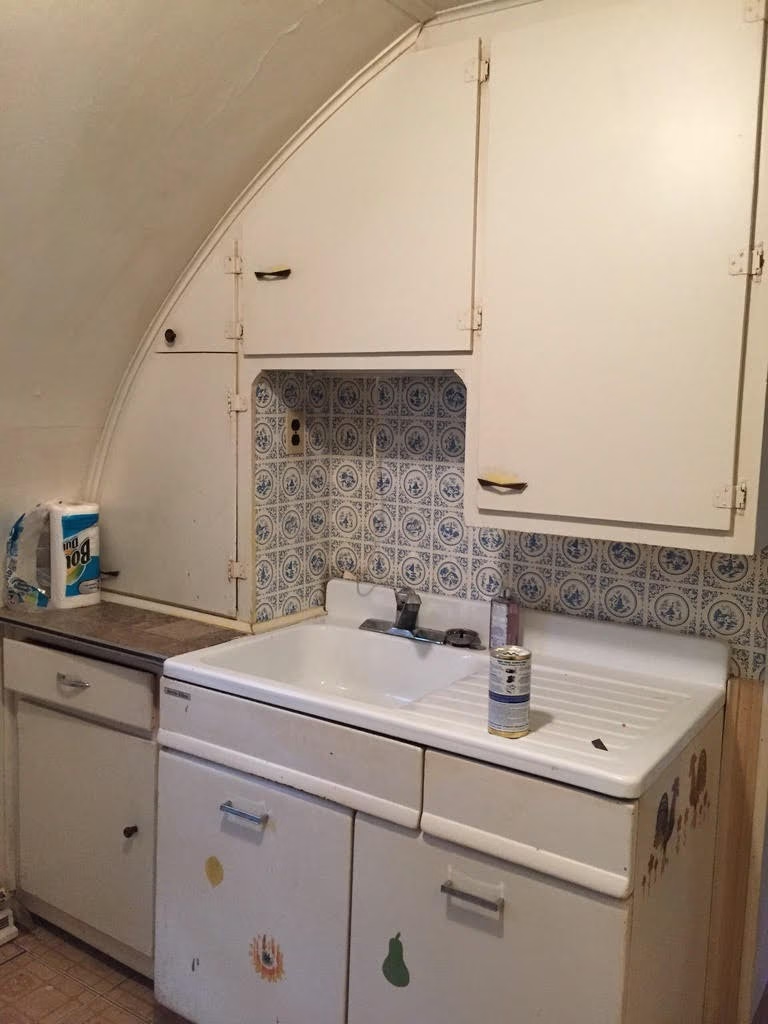
The dated kitchen before the renovationJacqueline Urick
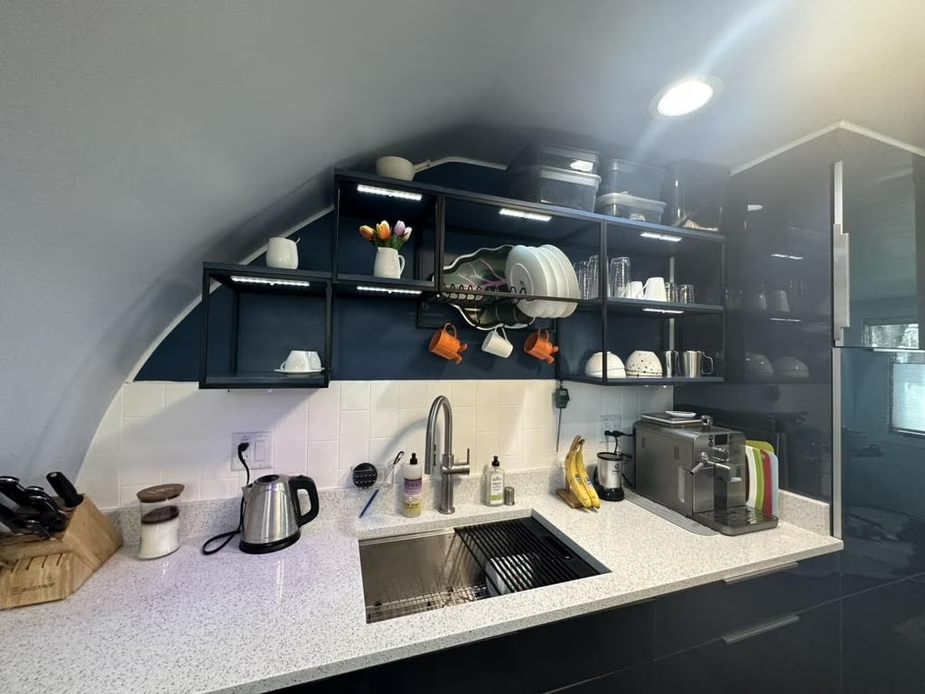
The revamped kitchen includes new cabinetry.Jacqueline Urick
The Renovation Wasn’t Easy
One of Jacqueline’s biggest obstacles wasn’t just the cost—it was finding contractors willing to take on such an unusual home.
Because the house was a converted Quonset hut with curved interior walls, many contractors simply didn’t want the challenge.
“Only a small number of contractors were willing to work on something this unusual,” she says.
She remembers one contractor walking in, taking a quick look around, and immediately saying:
“Sorry… nope.”
Others passed on the job for a different reason: they didn’t believe the property was worth the level of investment it would require.
Once she finally found a team willing to take it on, the real work began.
The home needed far more than cosmetic updates. Renovations included mold and asbestos remediation, major foundation work, plumbing, electrical upgrades, drywall, kitchen installation, shower walls, and more.
One of the biggest issues turned out to be the windows.
The home still had old aluminum storm windows, the kind often seen in aging mobile homes. They were thin, drafty, and poorly installed, which created serious long-term problems.
According to Jacqueline, the windows had been leaking between the interior and exterior walls, leading to mold, moisture damage, and wood rot throughout parts of the structure.
What looked like a quirky little fixer-upper on the surface was, in reality, a much deeper renovation project than anyone expected.
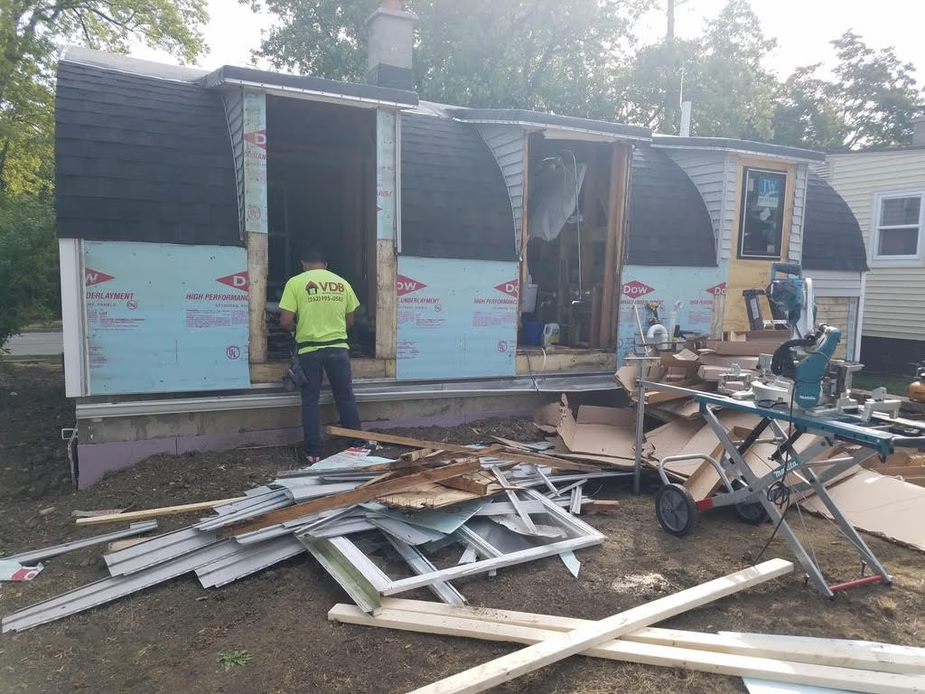
The exterior work included replacing the drafty windows that leaked in between the interior and exterior walls.Jacqueline Urick
A Long Renovation — and a Worthwhile Result
The full gut renovation of the Quonset hut took about a year and a half, but for Jacqueline, it was worth every bit of time and money. Today, the home is estimated to be worth between $150,000 and $180,000—a major transformation from its original condition.
Plans for the Future
Through the entire process, Jacqueline has fully embraced tiny-home living and the mindset that comes with it.
“I think it’s great that people have different housing options that fit their lifestyle,” she says. “I don’t have anything against large homes—it’s just more than I personally want to maintain.”
While she doesn’t see herself living in the home forever, she also has no intention of giving it up.
With low property taxes, minimal upkeep, and the comfort of always having a place to return to, the home represents more than just a project—it’s a sense of security and independence.
Check out the incredible before-and-after transformation in the comments 👇
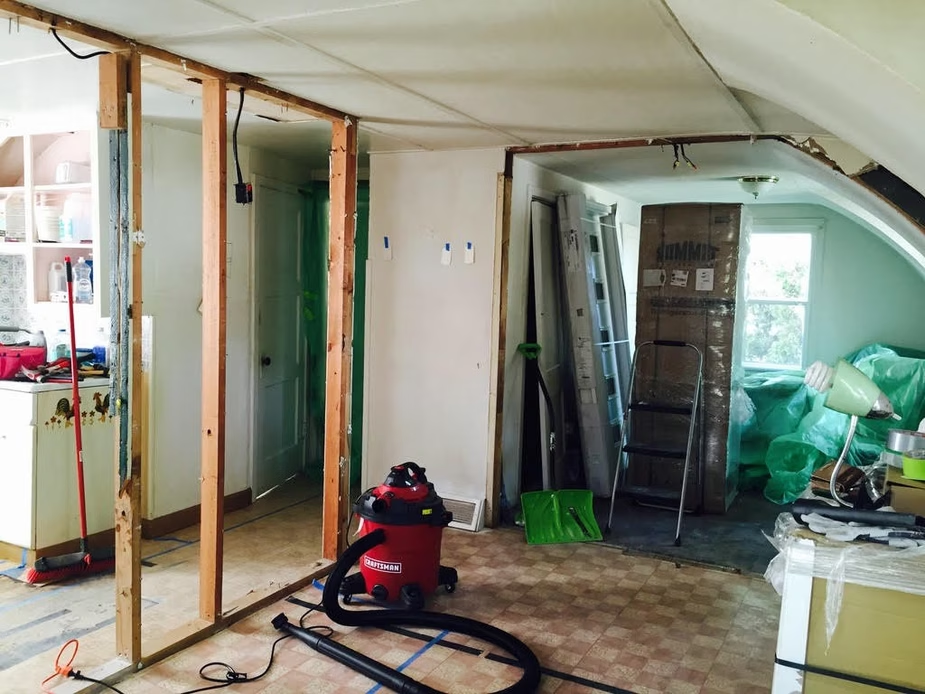
Urick removed one bedroom to create a separate living and dining/office space.Jacqueline Urick
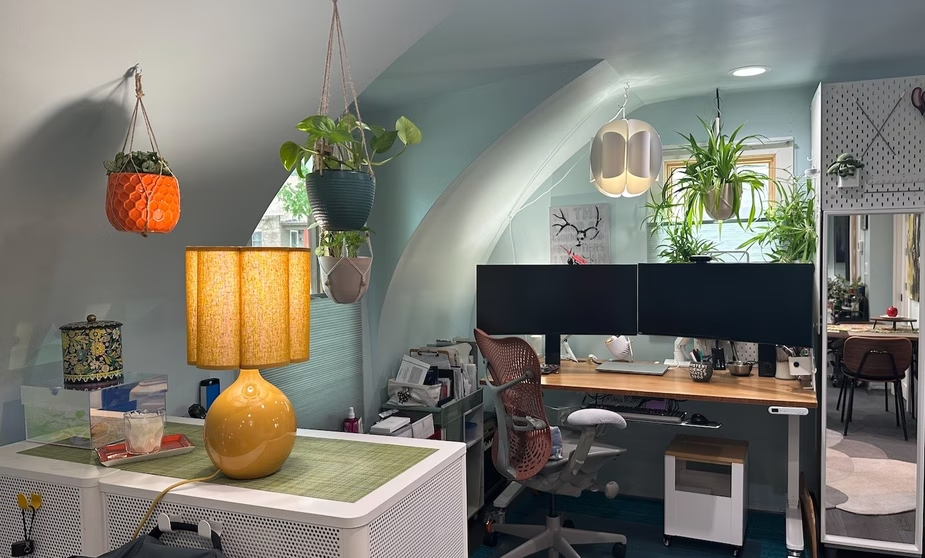
The new office spaceJacqueline Urick
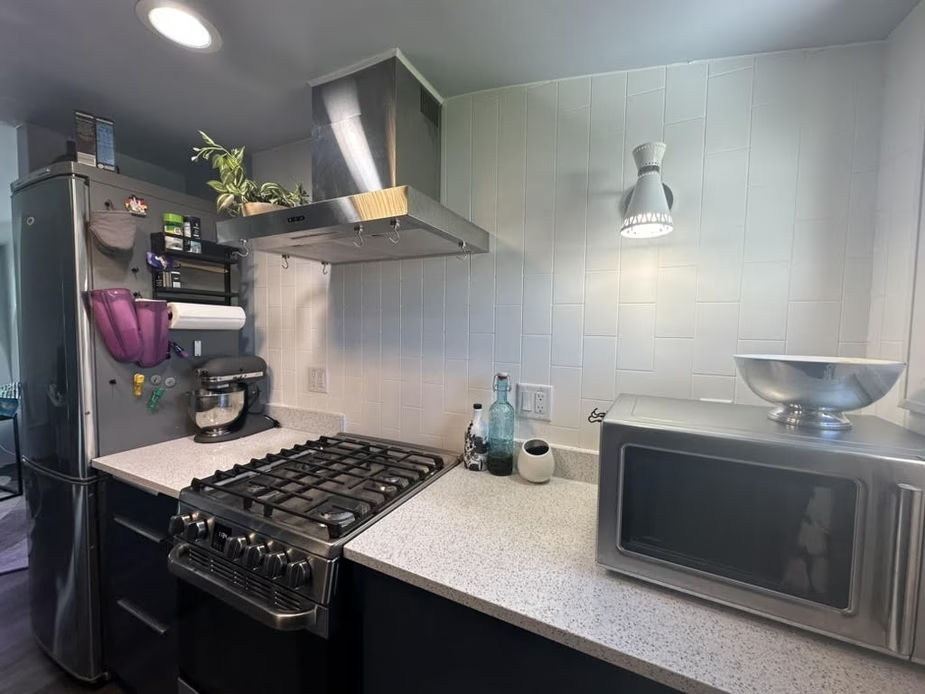
“I extended the kitchen on both sides to the middle of the structure, creating a larger galley-style kitchen,” Urick explains.Jacqueline Urick
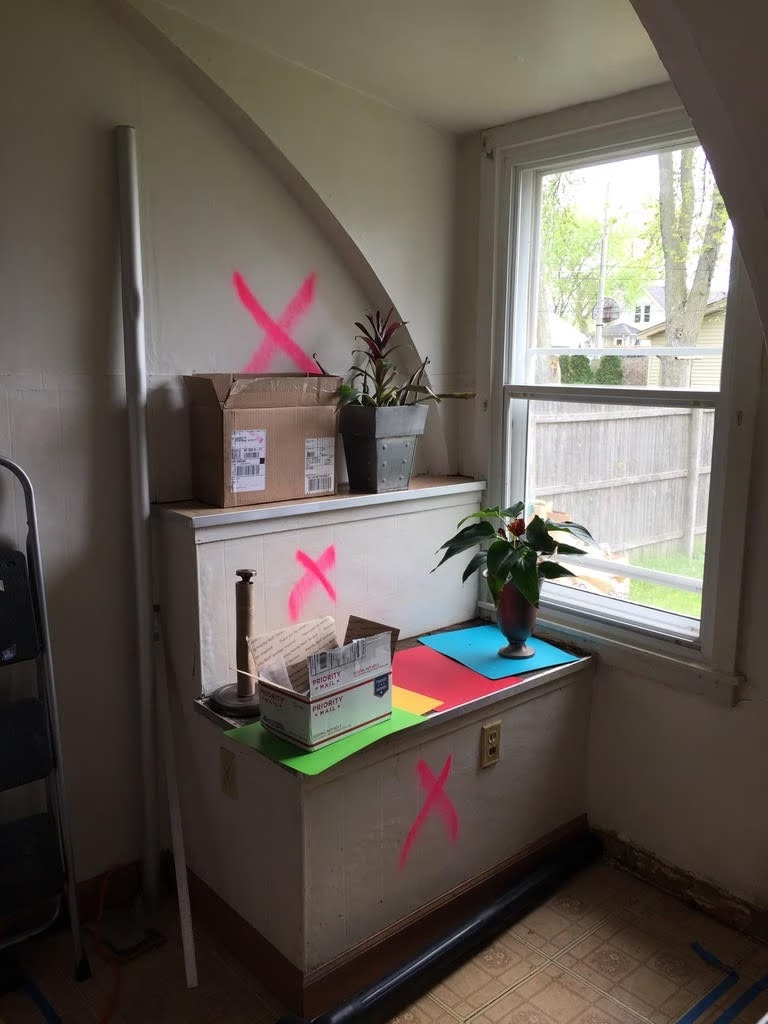
The dated kitchen before the renovationJacqueline Urick
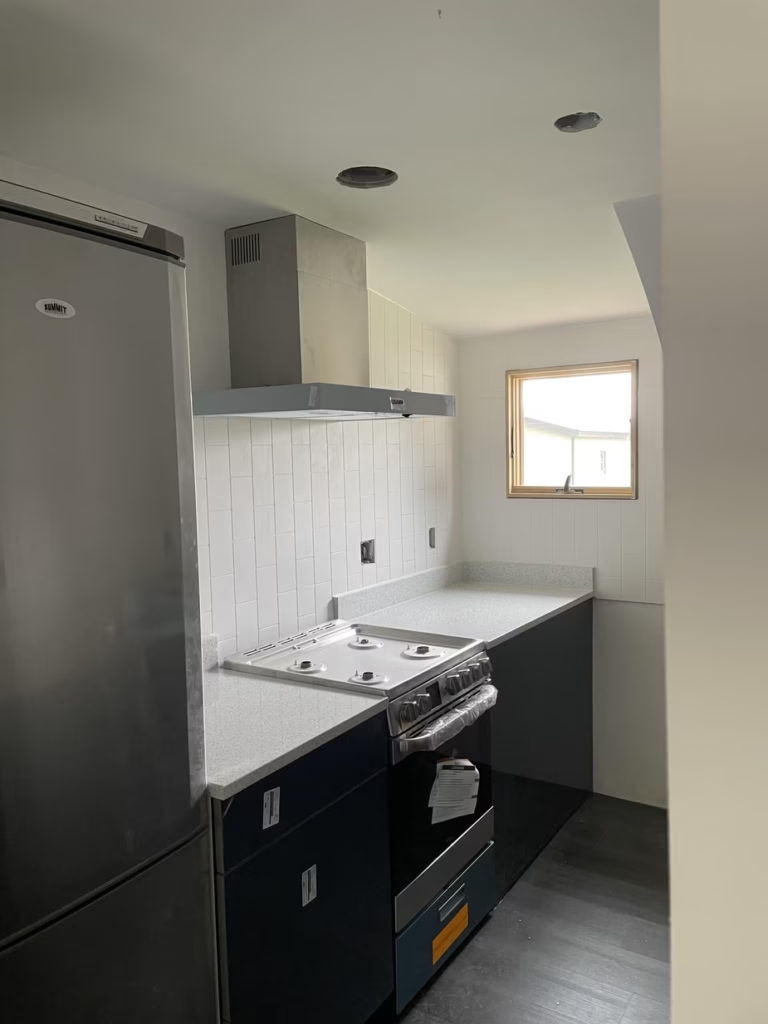
The kitchen during the renovationJacqueline Urick
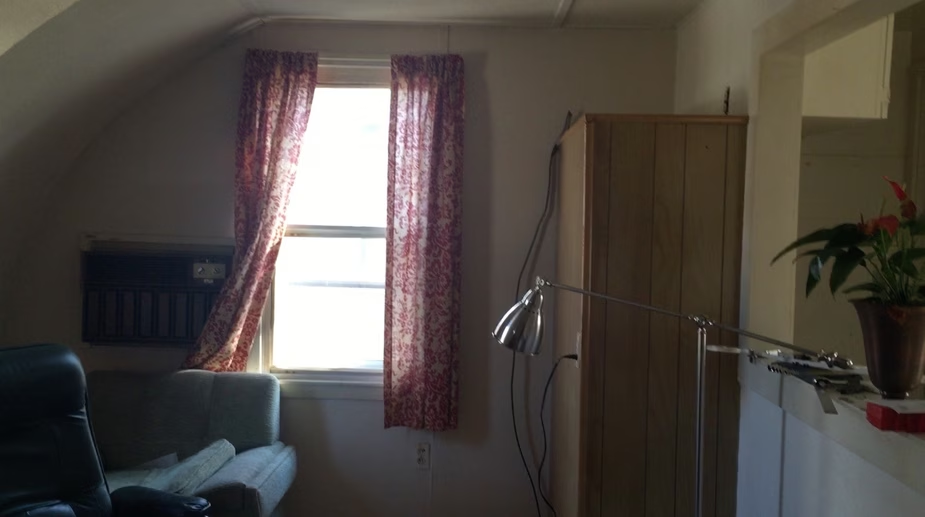
The living room before its makeoverJacqueilne Urick
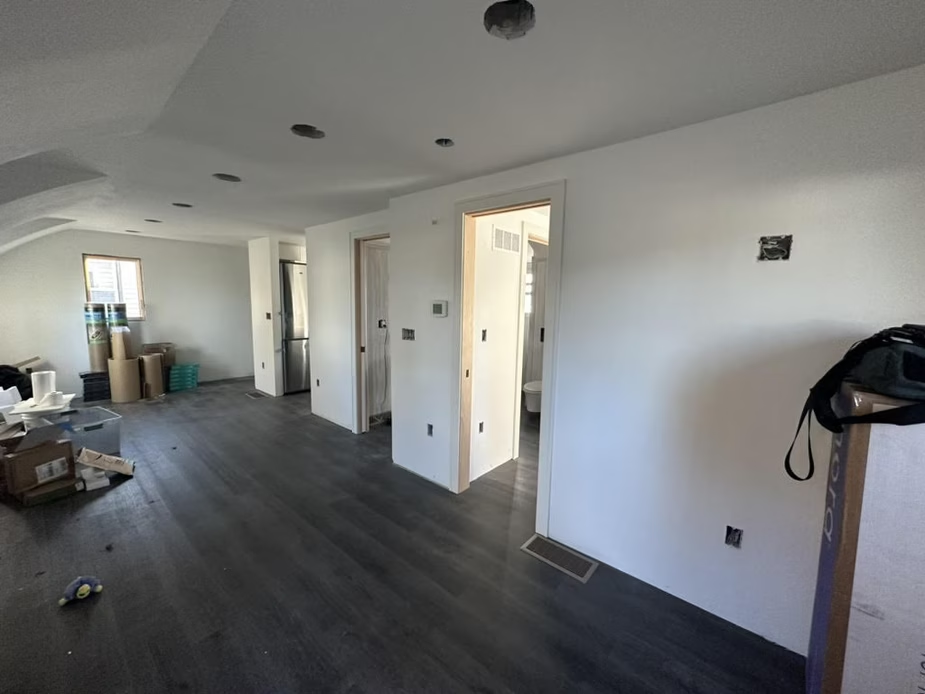
To save space in the living room, Urick installed pocket doors to the bedroom and bathroom.Jacqueline Urick
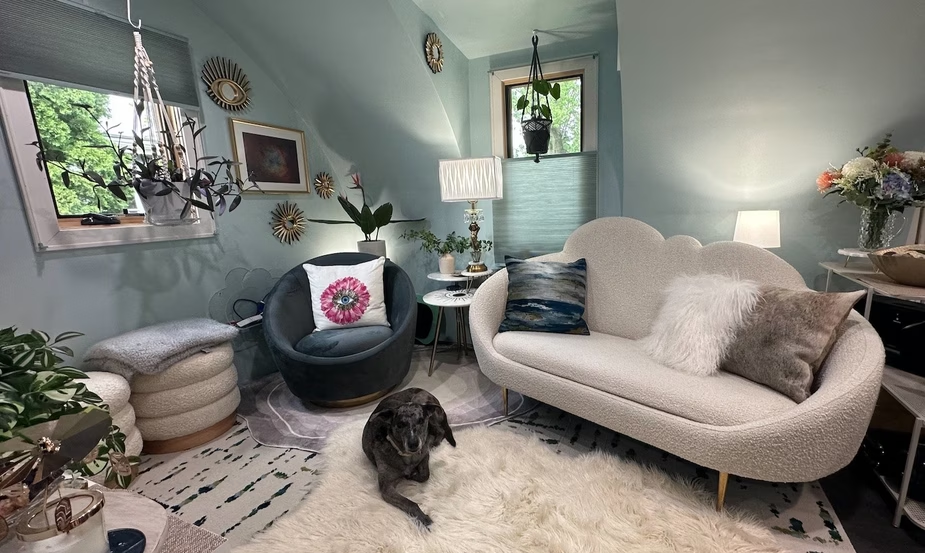
The new living room, with Spice on a cozy rugJacqueline Urick
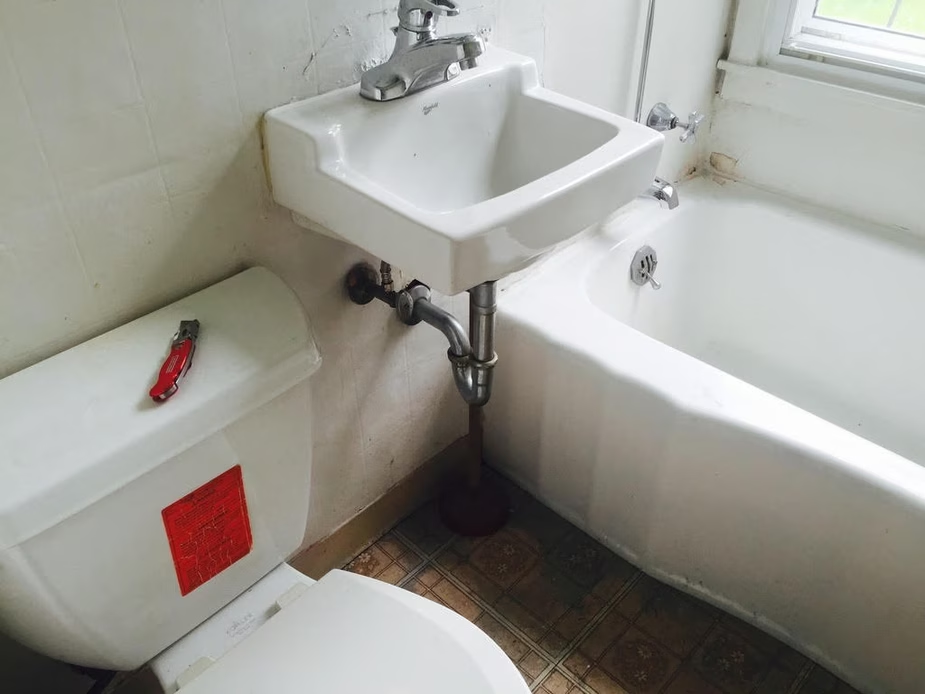
The bathroom beforeJacqueline Urick
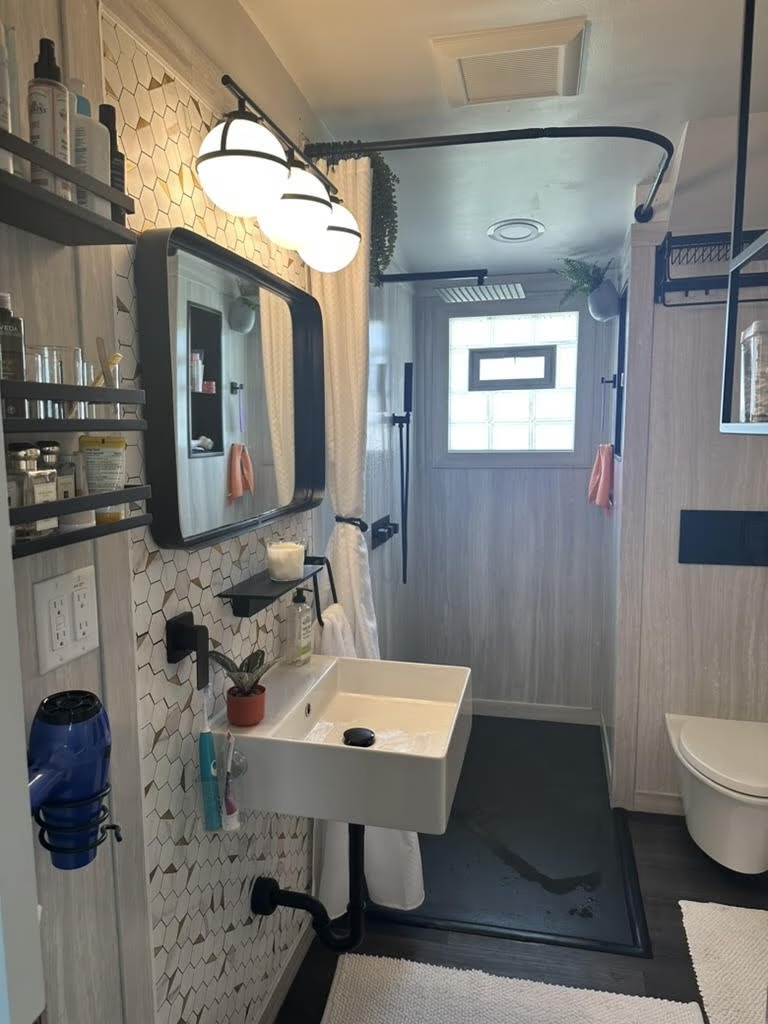
For the bathroom, Urick says, “I really agonized over putting in a tub or just a shower. I decided to go with the shower and created a wet room with a recessed flush shower pan.”Jacqueline Urick
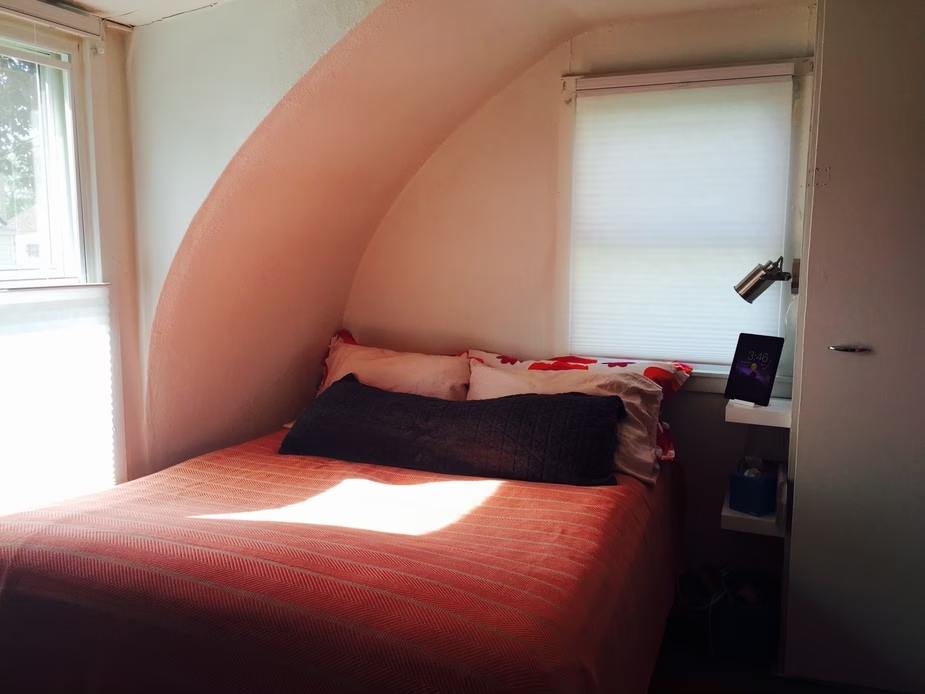
The bedroom before the renovationJacqueline Urick
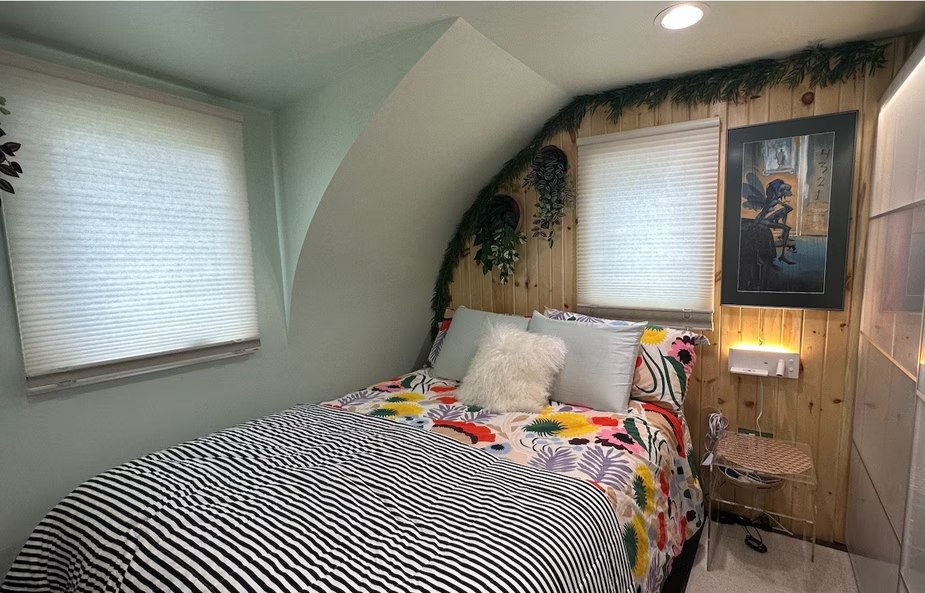
he new bedroom is compact but cozy.Jacqueline Urick