Over Half of This Finnish Architect’s Tiny Home Uses Recycled Materials
Matti Kuittinen’s 365-square-foot home serves as a powerful statement on reducing the carbon footprint of residential construction.
Welcome to Tiny Home Profiles, an interview series spotlighting people pushing the boundaries of small-space living. From clever space-saving hacks to flexible floor plans, here’s what experts say makes the best tiny homes on the planet. Know a builder we should feature? Reach out.
Matti Kuittinen, an associate professor of sustainable construction at Aalto University in Finland, thrives on the challenge of balancing his dual passions. He studies the construction industry’s impact on climate change while also designing buildings — always asking how a home can be less burdensome on the planet.
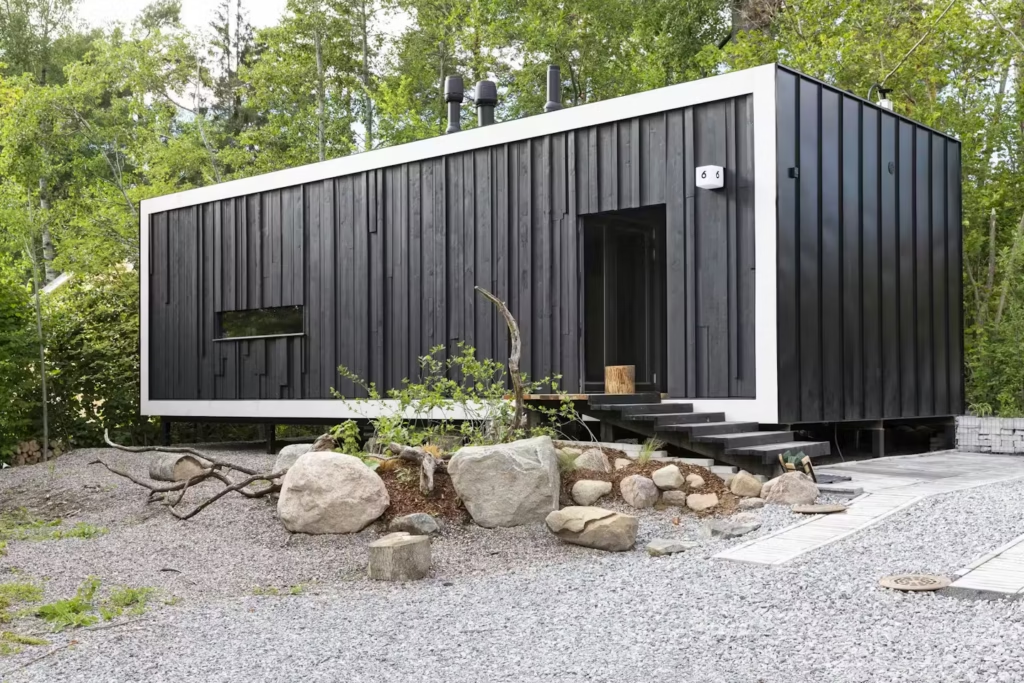
In a recent experiment, Kuittinen turned to recycled materials to build a prefabricated 365-square-foot tiny home he calls Shadow. “Fifty-six percent of it by weight is recycled,” he explains. “This gives it less than half the carbon footprint of a typical home, and uses roughly twenty percent of the materials of a standard detached house.”
Below, Kuittinen shares how he sourced materials, the advantages of prefabrication, and why rethinking the way we build homes is more important than ever.
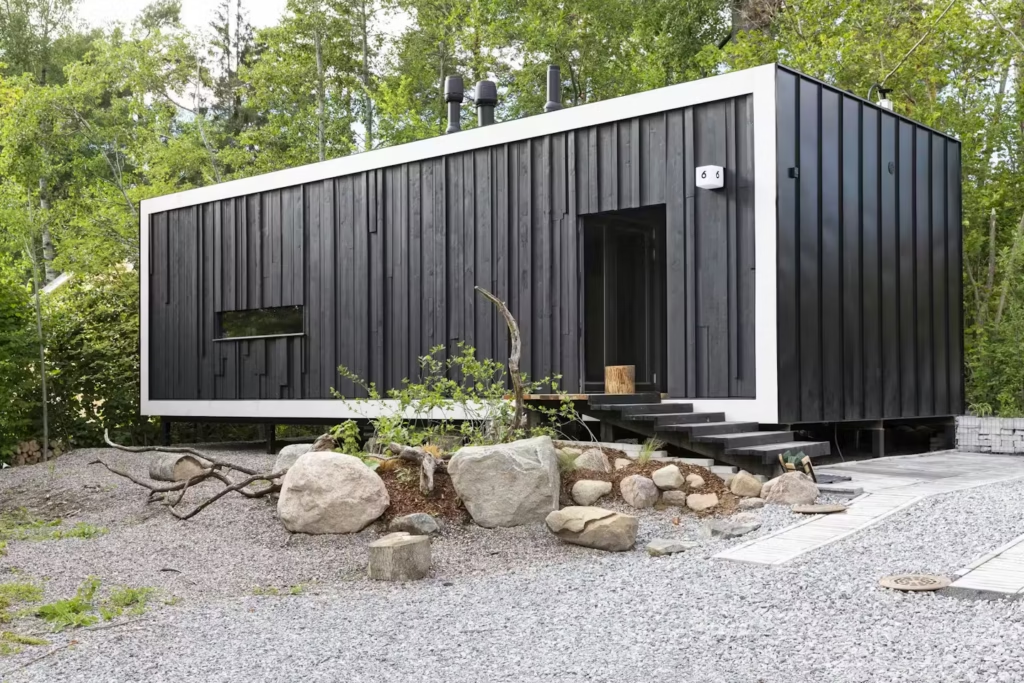
Architect and professor Matti Kuittinen designed a 365-square-foot tiny home constructed primarily from recycled materials.
What did you look for in materials when designing Shadow?
I focused on two main sources. First, I sought products made with recycled raw materials, verified through Environmental Product Declarations. This included items like the steel frame, bitumen roofing, insulation, construction boards, and flooring.
Second, I aimed to reuse existing products directly, which is even better for the environment since it avoids the energy needed to produce new materials. These reused elements included the exterior cladding, doors, windows, fixed furniture, and bathroom fixtures.
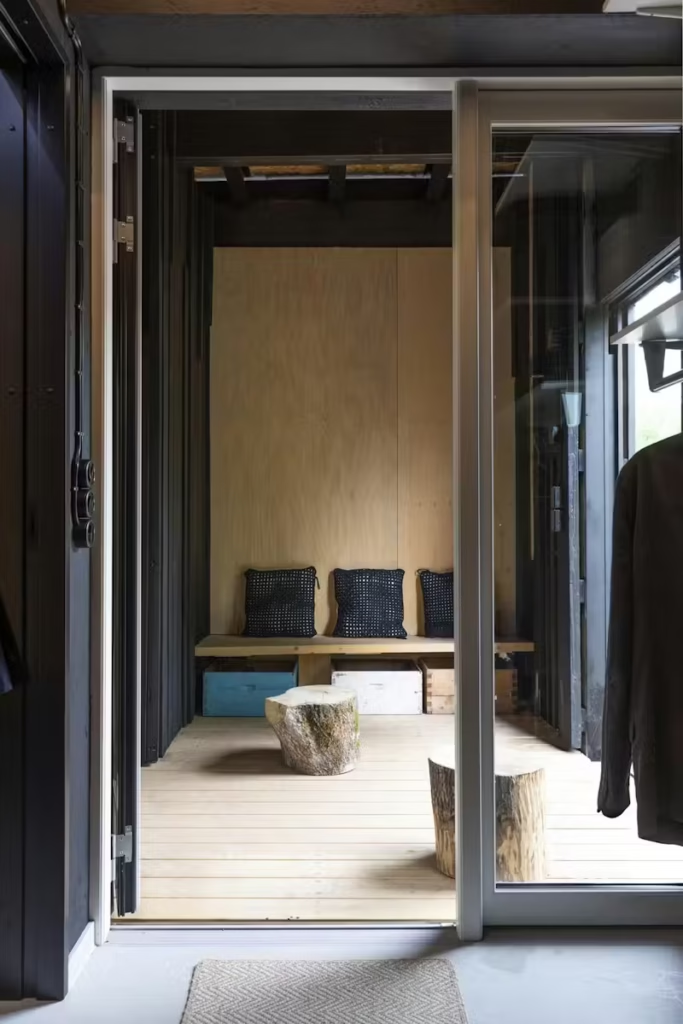
He repurposed an old door for the entryway.
Where did you source materials? How did procurement help you achieve a small footprint?
The reused products were sourced locally, while items containing recycled materials came from across the EU.
I handled most of the procurement and product specifications myself, which allowed me to closely monitor progress toward my goal: creating a building where more than half of the weight comes from reused and recycled materials.
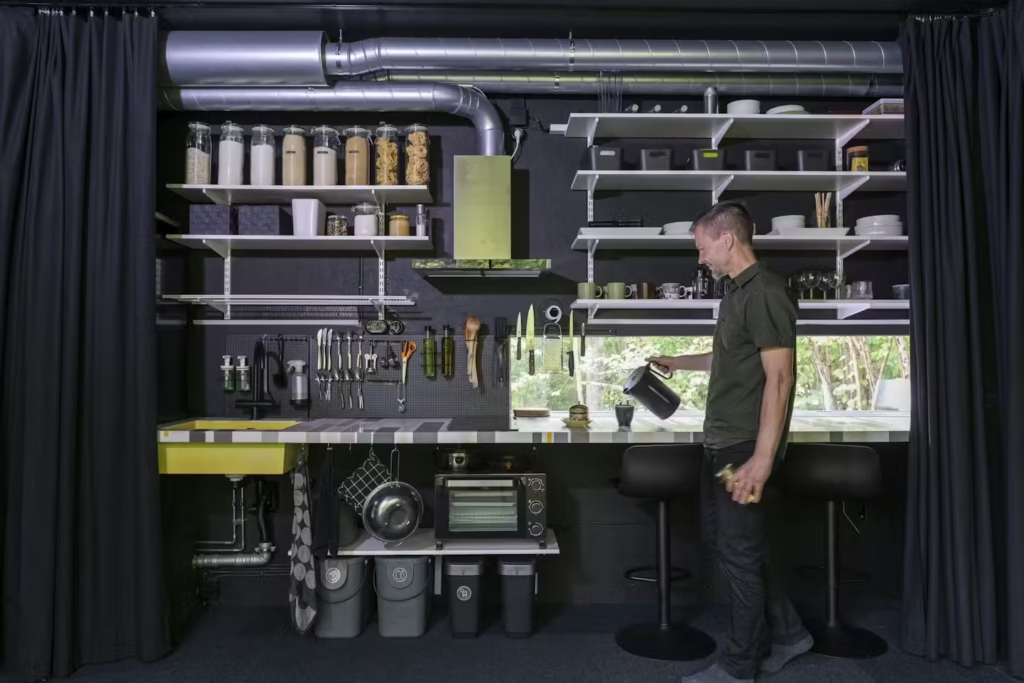
Curtains can be drawn to separate the kitchen from the living area.
What qualities make your prefab designs stand apart from others?
Finns don’t usually boast, and I follow this tradition! It’s up to others to decide if my design stands apart from others.
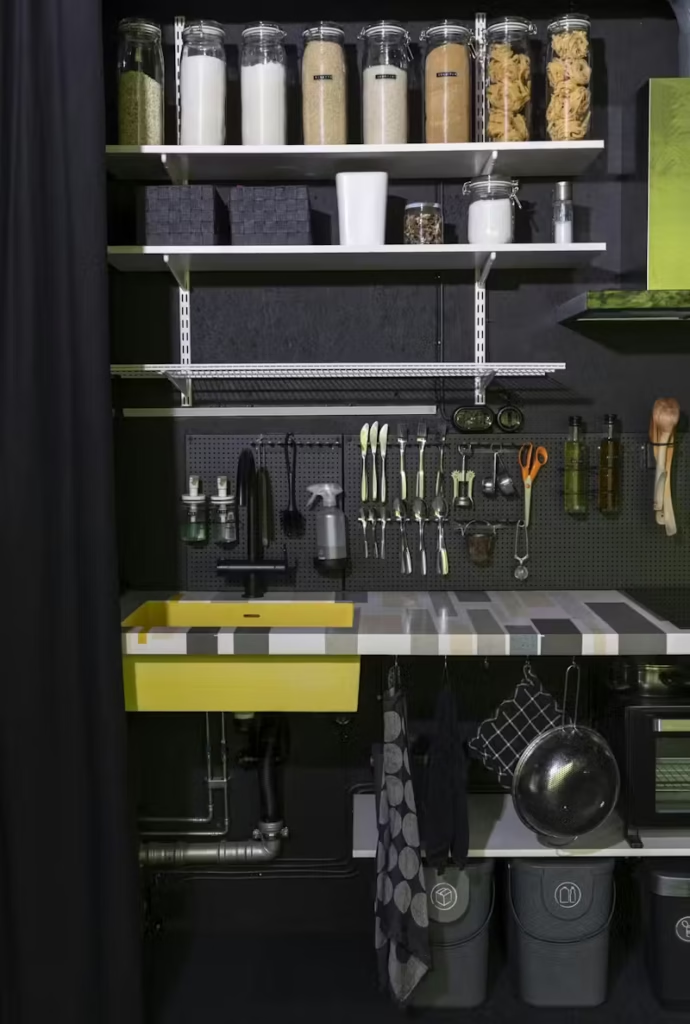
The countertops are made from a composite of recycled stone.
How did you keep sustainability in mind during construction?
The home was prefabricated, with electricity as the main resource. In Finland, grid electricity has very low emissions, so the environmental impact from prefabrication was minimal.
The factory was only about six miles from the site, keeping transportation-related impacts low. I also positioned the building to preserve as many trees as possible and worked with a structural engineer to design foundations that minimized site disturbance.
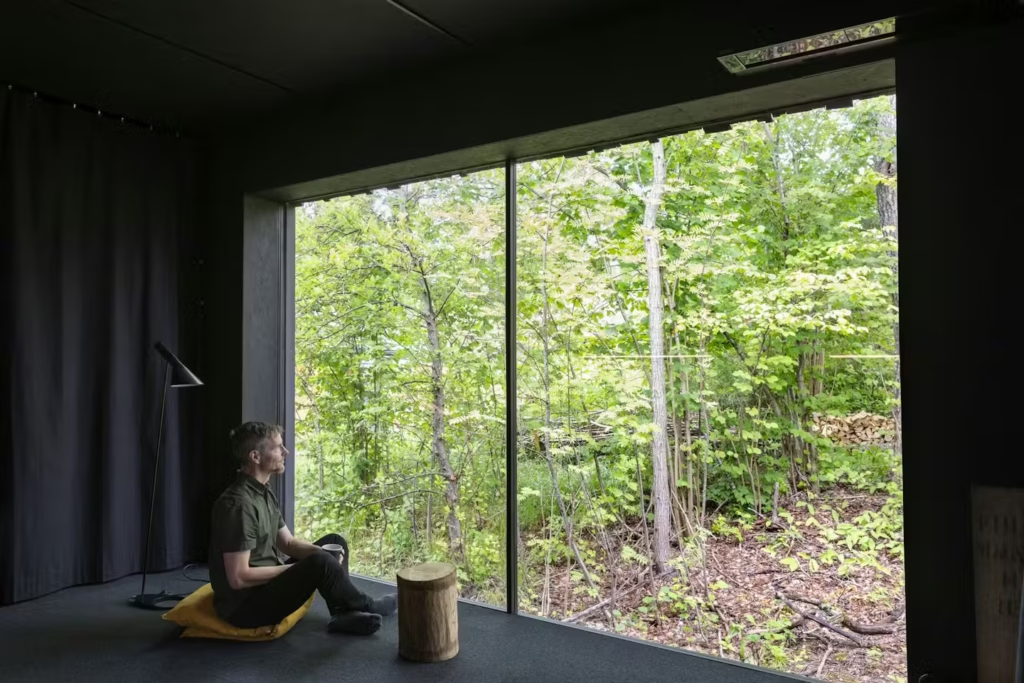
“The main space serves multiple functions, which saves both construction materials and energy,” Kuittinen explains. “There are no spaces dedicated to a single function, except for the bathroom, sleeping modules, and the sauna.”
What was the biggest challenge of the design and construction?
Designing for myself was the most challenging part. It’s much easier to design for a client, but being both client and designer made it difficult to choose between several potential options.
On the construction side, the main challenge was finding a foundation solution that used as few materials as possible. Poor soil quality meant I had to replace clay with gravel to prevent frost issues, which I would have preferred to avoid.
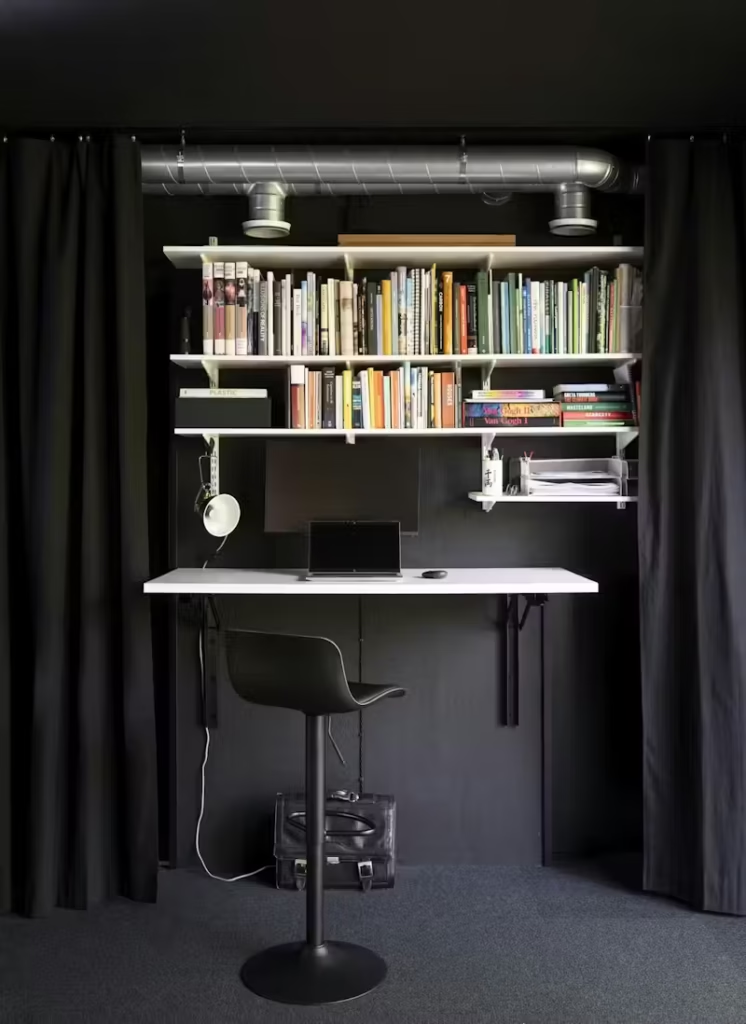
A small workspace can also be separated with a curtain for privacy.
How long did it take to construct Shadow from start to finish? When was it completed?
From the start of the design process to moving in, it took about one year. The actual construction phase lasted four months, though it could have been completed more quickly.
How much did it cost, and what does that pricing include?
The home cost approximately €2,600 per square meter (around €88,000 total, or roughly $100,000), which is slightly below the average for similar projects in Finland.
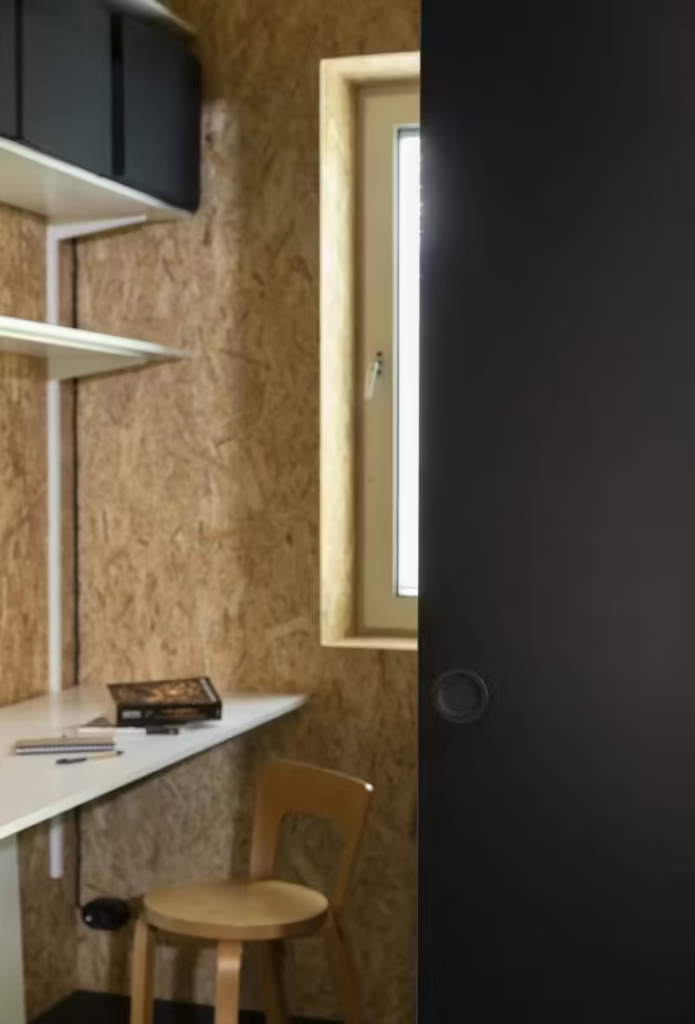
Kuittinen’s teenage son makes use of this private study area.
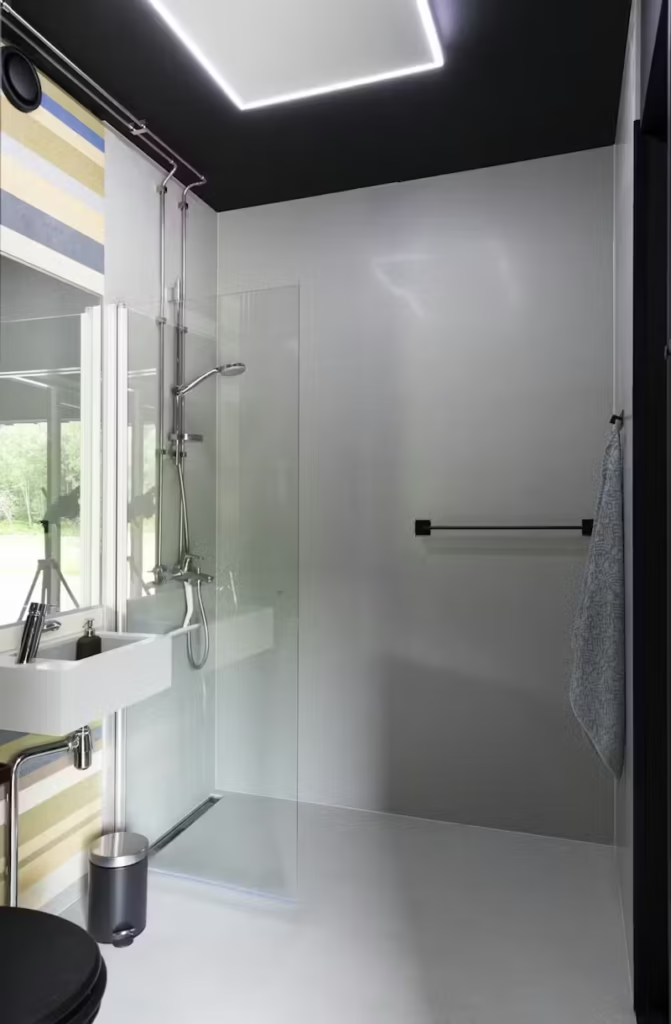
“We experimented with a unique mix that includes recycled plastics and other non-harmful industrial waste streams,” he explains about the bathroom’s construction. “It contains eighty percent recycled materials.”
What do you hope people take away from this?
That it’s possible to live comfortably using fewer resources. This isn’t a secondary apartment, a weekend getaway, or a garden writer’s hut — it’s a full-time home.
We will need to build two billion new homes for the growing global population this century, dramatically increasing material and energy consumption. Every method to save resources is crucial, and thoughtful design can achieve more with less space and fewer materials.
Photo courtesy of Kuittinen