From Steel Boxes to Sweet Home: How One Family Created Their Dream House for Just £52k
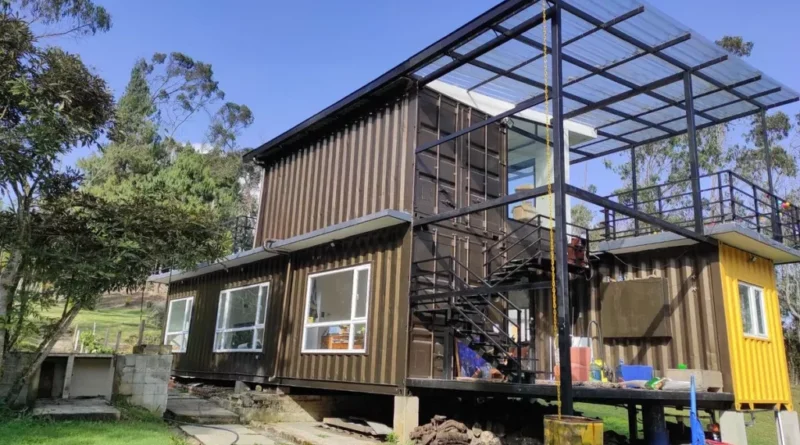
Building a home from the ground up is no small feat—but doing it with recycled shipping containers in the mountains of Colombia takes vision to another level. For Fiona Rivadeneira, a 43-year-old mum from Surrey, and her husband Juan Carlos, 46, that vision became reality when they created their family home for just £52,000—roughly the cost of a single parking space in London’s Islington. More than simply a place to live, the project was a bold, eco-friendly statement rooted in sustainability, creativity, and a lifelong dream. This is the story of how an unconventional idea was transformed into a beautiful, affordable home.
Dreaming Big: A Vision for a Unique Home
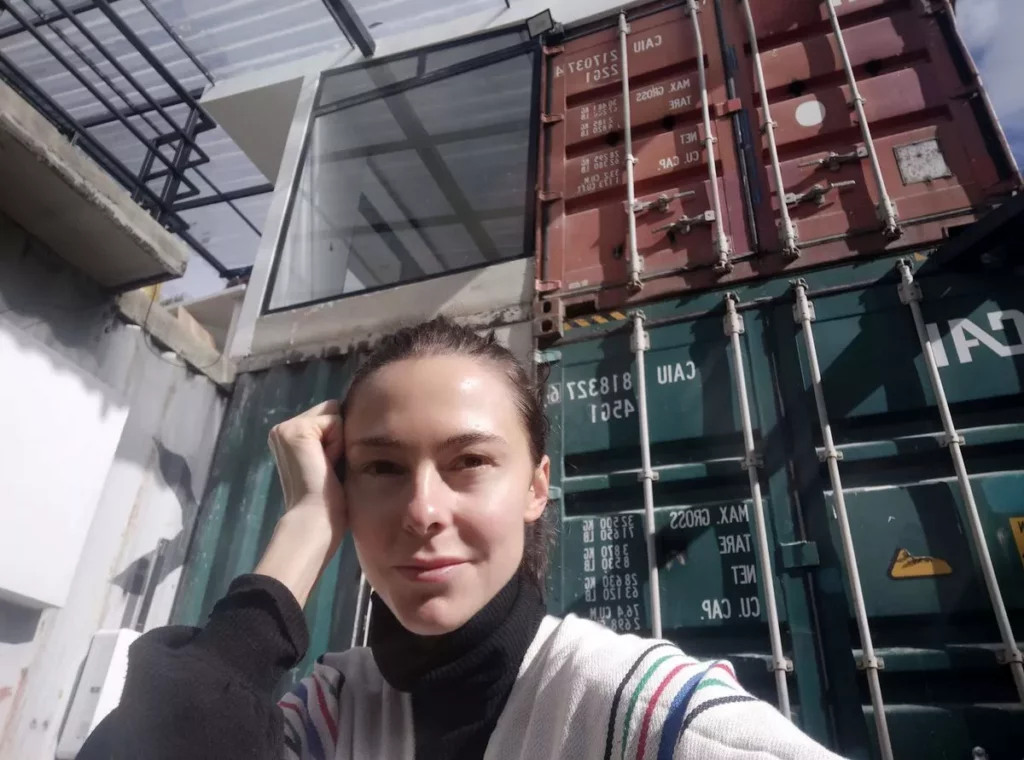
Fiona Rivadeneira had always dreamed of building a home of her own—one that blended creativity, practicality, and sustainability. With a strong passion for recycling and a long-standing fascination with shipping containers, she imagined a house that was both distinctive and environmentally responsible. Together with her husband, Juan Carlos, she set out to bring this vision to life in the breathtaking mountains of Colombia, a world away from their former life in Surrey. Choosing recycled shipping containers was a deliberate decision rooted in Fiona’s commitment to upcycling and reducing waste, allowing the couple to create a home that truly reflected their eco-conscious values. Their children, Sofia, 11, and Sebastian, 10, were also part of the journey, as Fiona hoped the project would teach them the lasting importance of reusing and recycling in an increasingly consumer-driven world.
Overcoming Challenges: Building in the Mountains
Constructing a home in the mountains is no small feat, but transporting heavy shipping containers to a remote hillside took the challenge to another level. Fiona and Juan Carlos had to carefully plan how to move the containers along narrow, winding mountain roads to reach their chosen site—an idea that left many people doubtful. “People thought we were crazy,” Fiona recalls, noting that few could understand why they would choose shipping containers, especially in such a difficult location. Despite the skepticism, the couple pushed forward with determination. With the support of an experienced builder and his team, they successfully transported the containers and began construction. By removing the remains of a previous structure that had collapsed during flooding, they were able to reuse the existing foundations, saving both time and resources. Against the odds, the basic structure was completed in just 12 months—an impressive achievement for such an unconventional build.
The Build: A Labor of Love
Fiona was deeply involved in every stage of the construction, taking on the role of project manager with enthusiasm. From sourcing materials to coordinating builders and monitoring daily progress, she immersed herself fully in the process. For Fiona, this wasn’t just about building a house—it was about turning a long-held dream into reality. “I was in my element,” she says, describing how much she enjoyed learning and being hands-on throughout the build. The project cost around 250 million Colombian pesos, roughly £52,000, making it both a significant financial and emotional investment. Like any self-build, it came with its share of stress, but Fiona never lost confidence. “The stress was normal,” she explains, “but I had complete faith in the process. I never doubted that this dream would come true.”

Designing with Sustainability in Mind
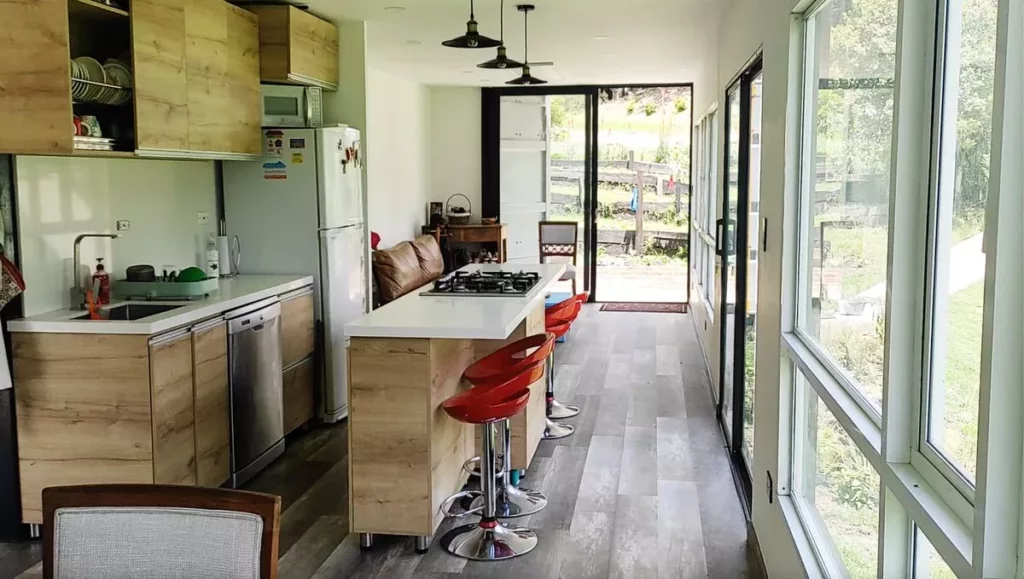
One of the most inspiring aspects of the Rivadeneira family’s home is its deep commitment to sustainability. Fiona’s long-standing fascination with shipping containers shaped the entire design, driven by her love for turning overlooked, industrial materials into something beautiful and functional. “I love seeing something transform into something useful,” she explains. The flexibility of the containers allowed for creative decisions throughout the build, including repurposing old window frames from a previous apartment and integrating them into the new structure.
Of course, working with containers came with challenges. One unit had slightly buckled, requiring additional foundation columns to ensure proper support. “Some mistakes were made,” Fiona admits, “but everything can be fixed with money and effort.” Rather than discouraging them, these setbacks reinforced their problem-solving mindset. From reused materials to thoughtful adaptations, the home stands as a powerful example of how creativity and sustainability can work hand in hand to reduce waste and create something truly special.
A Work in Progress: The Final Touches
Although the main structure is complete, the family’s home continues to evolve. Fiona looks forward to adding the final details that will bring everything together—additional terrace roofs, glass coverings, curtains, built-in closets, and lush gardens to soften the container lines and connect the house even more closely to its surroundings.
Even with work still underway, the family already feels deeply at home. Fiona and Juan Carlos have created a space that reflects their values, while their children have gained firsthand lessons in sustainability, creativity, and perseverance—lessons that will stay with them for life.
A New Trend: Shipping Container Homes on the Rise
Fiona’s journey is more than a personal success story; it reflects a growing movement in modern architecture. Shipping container homes are rising in popularity as people seek affordable, eco-friendly, and flexible housing solutions. These builds make use of materials that might otherwise go to waste while offering endless design possibilities.
For anyone considering a similar path, Fiona offers honest advice: “Take as many precautions as possible, and expect a few mistakes along the way. But if you’re passionate about it, the end result is absolutely worth it.”
Summary
What began as a dream has become a beautiful, sustainable family home nestled in the Colombian mountains. By using recycled shipping containers, Fiona and her family created a striking property for just £52,000—proving that innovation, determination, and eco-conscious thinking can overcome even the biggest challenges. Their story is a reminder that unconventional ideas often lead to the most rewarding results, and that sustainable living doesn’t have to come with an unsustainable price tag.