Transforming Life in the Nordic Cold with Sustainable Innovation
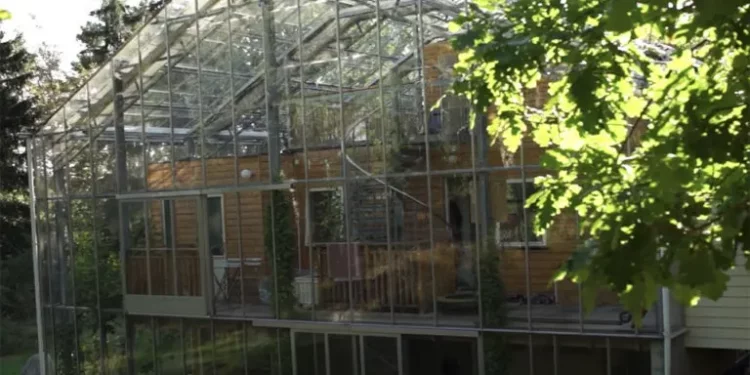
In the unforgiving chill of Norwegian winters—where temperatures plummet, daylight fades, and most people retreat indoors relying on costly heating systems—one woman has dared to challenge everything we think we know about cold-climate living.
Rather than depending on traditional energy sources, she designed a revolutionary home that not only keeps her warm but allows her to grow fresh food throughout the year. Her ingenious solution: she built her house inside a giant greenhouse.
This innovative architectural approach overturns the conventional rules of heating homes in extreme climates. By blending natural elements with thoughtful engineering, she has created a living space that achieves remarkable energy efficiency, year-round food production, and true environmental sustainability.
Her extraordinary home is far more than a shelter—it is a symbol of creativity, resilience, and a bold vision for a greener, self-sufficient future.
Redefining Nordic Living Through Innovation
Norwegian winters are some of the harshest in the world—bitterly cold, dark, and demanding. With subzero temperatures and minimal sunlight, creating a warm and comfortable home typically requires massive energy consumption.
Although traditional heating methods can keep the cold at bay, they often come with high costs and a heavy environmental footprint. Determined to find a more sustainable, self-sufficient alternative, one visionary woman embraced a bold and unconventional idea: she enclosed her entire house inside a giant greenhouse.
This remarkable design offers multiple advantages. The greenhouse acts as a natural thermal barrier, trapping heat and shielding the home from the brutal Nordic chill. At the same time, it creates a unique microclimate that makes it possible to grow fresh produce all year long—even in the depths of winter.
Inspired by innovative Scandinavian concepts like Sweden’s renowned Naturehus, this home demonstrates the incredible potential of passive solar energy. It shows how creativity and ecological design can work together to maintain warmth—naturally, efficiently, and sustainably.
Harnessing the Power of Passive Solar Energy
The science behind this remarkable home is both simple and highly efficient. By enclosing the structure within a greenhouse, the design captures solar heat throughout the day and slowly releases it during the night, maintaining a stable and comfortable indoor temperature.
This passive solar approach dramatically reduces reliance on artificial heating systems. Even in the depths of winter, the home remains significantly warmer than the surrounding environment, showcasing how nature itself can become an effective heating source.
Similar concepts—most notably the pioneering Granmar-Sacilotto home in Sweden—have already proven how powerful this method can be. Their greenhouse-covered residence consistently achieves interior temperatures 15–20°C warmer than the outdoors during winter months.
In January, when outdoor temperatures fall to around –2°C, their indoor climate stays at a cozy 15–20°C. This striking contrast demonstrates that greenhouse-enclosed homes aren’t just a creative idea—they’re a practical, highly effective solution for surviving even the harshest climates.
A Greenhouse That Nourishes and Shields
The greenhouse surrounding the home does far more than provide insulation—it functions as a thriving, year-round food oasis. By establishing a warm, Mediterranean-like microclimate, the homeowner is able to grow crops that would never survive in the bitter Scandinavian winter.
Inside this sheltered environment, tomatoes, cucumbers, figs, and a variety of other plants flourish, supplying fresh produce throughout all seasons—even when snow blankets the world outside. This continuous harvest reduces dependency on grocery stores, minimizes food transportation emissions, and supports a truly self-sufficient lifestyle.
But the benefits extend far beyond sustainability. Growing one’s own food promotes healthier eating, nurtures a deeper connection with nature, and significantly lowers the environmental impact of daily living. In this greenhouse-wrapped home, nourishment and protection work hand in hand, creating a space where both people and plants can thrive.
Ecological Innovation: Reducing Dependence on Conventional Energy
Greenhouse-enclosed homes represent a groundbreaking leap toward sustainable living, harnessing natural solar energy to regulate indoor temperatures. Instead of relying on traditional heating systems fueled by electricity or fossil fuels, these homes take advantage of passive solar gain—capturing warmth from the sun during the day and retaining it long after nightfall.
Across Scandinavia, this forward-thinking approach is gaining traction as more homeowners and designers embrace environmentally conscious building techniques. Many projects emphasize long-term sustainability, resource efficiency, and true self-sufficiency.
A notable example is the Granmar-Sacilotto family in Sweden, who have incorporated an advanced water recycling system into their greenhouse home. Using a combination of centrifuges, storage tanks, and natural garden ponds, their system cleans and reuses wastewater, minimizing waste and preserving vital resources.
This kind of holistic, closed-loop design ensures that every component of the home contributes to reducing environmental impact. From heating to food production to water management, nothing is left to chance—and nothing is wasted.
The Norwegian homeowner’s greenhouse residence exemplifies how architecture can align seamlessly with nature, offering both reduced energy consumption and an elevated quality of life. More than just a clever solution to cold climates, it embodies a growing global shift toward eco-friendly living—where innovation and environmental responsibility come together to shape a more sustainable future.
A Home That Nourishes the Soul
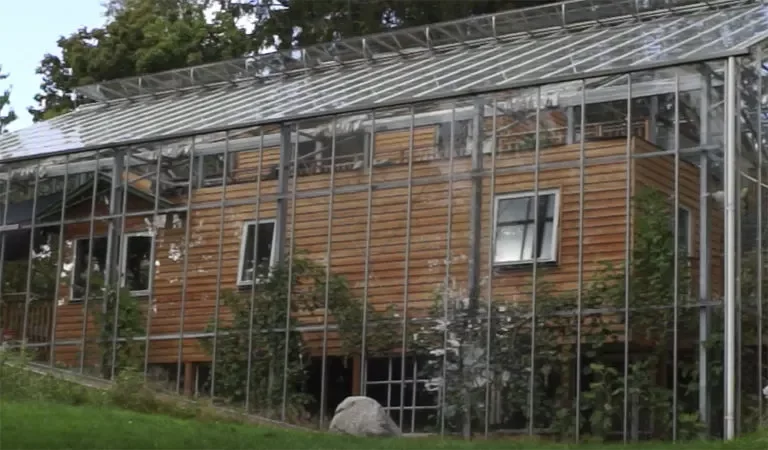
Beyond its practical benefits, the greenhouse enclosure transforms the home into a serene, light-filled sanctuary. Its transparent walls and ceiling invite streams of natural light to pour in throughout the day, creating a warm and uplifting ambiance even during the darkest periods of winter.
This constant exposure to sunlight offers powerful mental health advantages. It helps combat seasonal depression, supports emotional well-being, and provides a sense of openness that is often missing during long Scandinavian winters.
The homeowner also enjoys an intimate, year-round connection with nature—something few traditional homes can provide. Inside the greenhouse, she is surrounded by thriving plants, vibrant greenery, and a calming atmosphere that nurtures both body and mind. No matter how harsh the weather becomes outside, she can retreat into her personal indoor oasis to garden, unwind, or simply breathe in the peaceful environment.
One of the home’s most unique highlights is the all-season rooftop deck. Protected by the greenhouse structure, this cozy elevated space remains usable throughout the year. Whether sunbathing in midwinter, reading a book in the quiet hours of the morning, or sharing meals with loved ones, she can enjoy outdoor living without ever facing the cold.
In a climate where outdoor comfort is often impossible for months on end, this design offers a rare luxury—bringing nature, light, and tranquility together in a way that truly nourishes the soul.
A Blueprint for a Sustainable Future
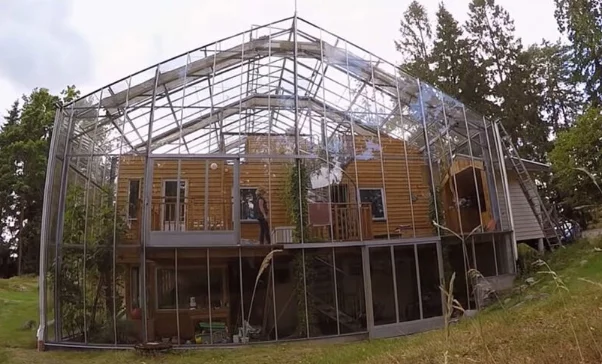
As climate change intensifies and extreme weather events become increasingly common, innovative housing solutions like this greenhouse-encased home are drawing global attention. The rising interest in energy-efficient, self-sustaining living has sparked a movement toward architectural designs that seamlessly integrate natural elements—such as sunlight, warmth, and vegetation—into everyday life.
Greenhouse homes offer a compelling glimpse into the future of eco-friendly living. They demonstrate that humans can create dwellings that work with the environment rather than against it, blending modern comfort with natural resilience. By harnessing the power of passive solar energy, these homes maintain warmth, support year-round food production, and dramatically reduce dependence on external energy sources.
This Norwegian woman’s extraordinary home stands as a powerful testament to what sustainable living can achieve. In the face of harsh Nordic winters and shifting climate conditions, it proves that innovative design, environmental awareness, and a commitment to self-sufficiency can come together to create a living space that is both practical and inspiring—a true blueprint for a greener future.
Inspiring Change and Encouraging Innovation
This extraordinary home represents far more than a unique architectural experiment—it serves as a powerful source of inspiration for anyone searching for new ways to thrive in challenging climates. Its success disrupts conventional thinking about how homes should be built and encourages homeowners, architects, and environmental enthusiasts alike to rethink the future of energy use and residential design.
As more people seek creative solutions to rising environmental and economic pressures, concepts like greenhouse-enclosed homes are poised to expand and evolve. The continued integration of modern innovations—such as automated climate control systems, advanced solar technologies, and sophisticated water recycling networks—will only further enhance the sustainability and efficiency of these dwellings.
For now, the bold choice made by this Norwegian homeowner to surround her house with a protective glass structure stands as a shining example of human creativity and adaptability. It proves that with ingenuity and vision, it is possible to craft a lifestyle that works in harmony with nature, even in the harshest of environments.
Summary
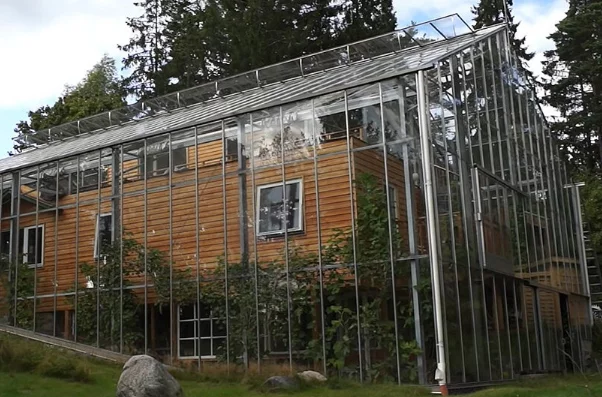
The story of this greenhouse home is a powerful illustration of how architecture can adapt to and even thrive in extreme climates.
By embracing natural energy sources, reducing reliance on fossil fuels, and prioritizing self-sufficiency, the homeowner has crafted a lifestyle that is both environmentally responsible and deeply fulfilling.
As the world continues to grapple with the effects of climate change, solutions like this will become increasingly valuable.
Greenhouse homes offer a promising blueprint for the future—one where sustainability, comfort, and practicality merge seamlessly to create thriving, resilient communities.
By choosing to live in harmony with nature rather than resisting it, this visionary woman has proven that even in the harshest environments, there is a way to flourish.
Her home is not just a shelter from the cold; it is a bold statement about the possibilities of sustainable living, a guiding light for others looking to create a more balanced and ecologically conscious way of life.