Hybrid Shipping Container Log Cabin: A Bold New Vision for Sustainable Living
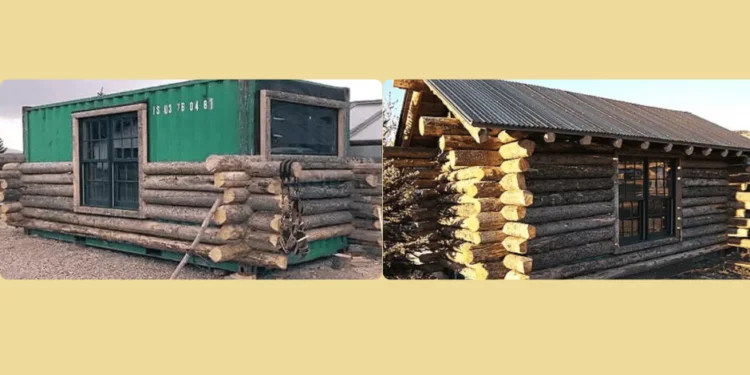
In the ever-evolving realm of architecture and sustainable living, Brian Morris of Yellowstone Timber Fusion has introduced an innovative masterpiece that pushes the boundaries of design.
His creation, hailed as the world’s first hybrid shipping container log cabin, marks a significant milestone in custom home construction.
This revolutionary structure combines the robust durability of shipping containers with the timeless, rustic appeal of a traditional log cabin, offering a unique and forward-thinking living space that redefines the concept of modern housing.
The Birth of a Revolutionary Idea
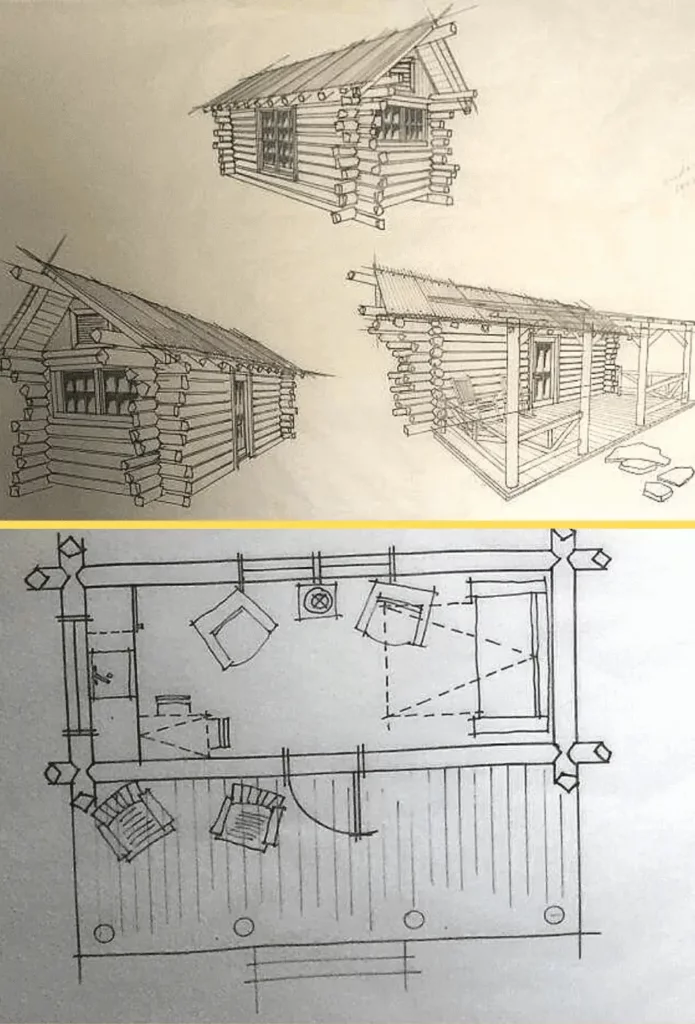
The idea for this innovative design came to life during a weekend retreat at Pine Creek Lodge in Montana. Surrounded by vibrant, yellow shipping container homes, Brian Morris was inspired to merge his craftsmanship in log home building with the industrial strength of steel containers.
This creative spark ignited the development of a completely new concept in container living—one that seamlessly blends the durability of metal with the warmth and charm of wood, combining the best of both worlds.
Why Shipping Container Homes Are So Appealing
Shipping containers as building materials offer an array of compelling advantages. Their versatility opens up limitless design possibilities, allowing for the creation of one-of-a-kind and functional living spaces.
Thanks to their inherent structural integrity, shipping containers are ideal for various construction projects, from industrial buildings to stylish, cozy homes.
In addition, repurposing these containers as building materials is an environmentally responsible choice, reducing waste and promoting sustainability. This makes them particularly appealing to eco-conscious homeowners looking to reduce their carbon footprint.
Insulation: The Foundation of Year-Round Comfort
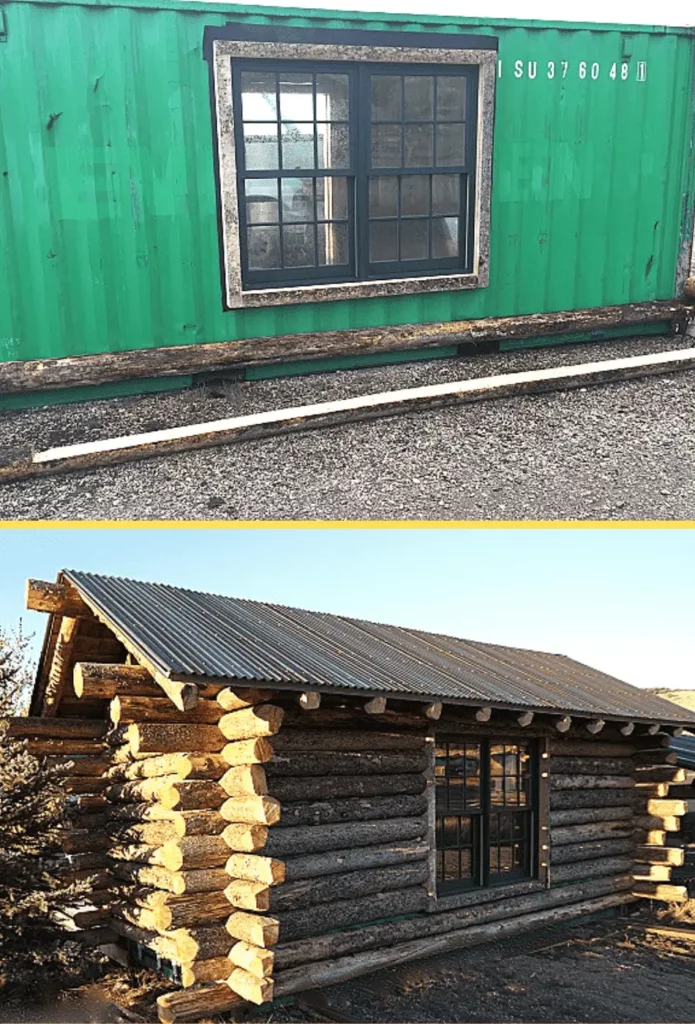
Creating a comfortable living space inside a steel shipping container requires thoughtful insulation, and this hybrid home addresses that challenge with precision. Urethane spray foam insulation was chosen for its superior thermal performance and long-lasting durability.
This high-performance insulation effectively regulates indoor temperatures, keeping the home warm in colder months and cool during warmer seasons. Even more importantly, it bonds directly with the container’s corrugated steel walls, reinforcing the structure while transforming the industrial shell into a cozy, energy-efficient living environment.

The Construction Journey
The build began with the careful selection of an 8×20 conex box, chosen not only for its strength and durability but also for its rugged, utilitarian character. Painted in a vivid evergreen tone, the container stood out beautifully against Montana’s natural landscape, creating a bold visual contrast from the very start.
As construction moved forward, every phase of the process was thoughtfully customized. From designing the floor plan to choosing the windows and flooring, each decision added personality and craftsmanship to the project. These deliberate choices transformed the container into a truly bespoke home, filled with character, creativity, and a growing sense of anticipation as the vision came to life.

Breaking Down the Costs
One of the most impressive features of this hybrid home is its affordability. The entire project—including a spacious deck and a protective porch roof—was completed for just $16,900. This budget accounted for every major element, from the initial purchase of the shipping container at $3,200 to the timber framework costing $2,500, along with all additional materials and finishes.
This transparent cost breakdown highlights how innovative construction methods can deliver a high-quality, custom home for a fraction of the price of traditional building, making alternative housing more accessible than ever.
The Advantages of Container Home Living
Shipping container homes offer far more than just cost savings. Their steel construction provides exceptional durability, often exceeding that of conventional wood-frame houses. Designed to endure harsh conditions, containers offer long-lasting structural integrity and resilience.
Their modular nature also supports creative, minimalist living solutions, making them especially appealing to those seeking modern, efficient, and unconventional housing options.
Environmental Impact and Sustainability
One of the strongest arguments for container homes lies in their environmental benefits. Repurposing steel containers significantly reduces the need for newly manufactured building materials, helping to minimize construction waste.
This approach also lowers the carbon footprint associated with traditional building methods. With reduced reliance on concrete and other resource-intensive materials, container homes present a more eco-conscious path to residential construction.
Customization and Design Flexibility
Container homes offer remarkable design flexibility. Nearly every element—from layout and insulation to finishes and fixtures—can be customized to suit individual preferences and lifestyles.
This adaptability allows homeowners to create truly one-of-a-kind spaces, whether it’s a compact minimalist retreat or a larger, multi-container family residence. Container architecture supports a wide range of creative visions without sacrificing functionality.
The Future of Housing
Brian Morris’s hybrid shipping container log cabin is more than an architectural novelty—it represents a forward-thinking vision for sustainable living. By uniting the strength of steel with the warmth and character of natural wood, this design redefines what a modern home can be.
As environmental concerns grow and housing affordability becomes increasingly critical, innovative solutions like this hybrid model may play a key role in shaping the future of residential architecture—one that values sustainability, creativity, and efficiency in equal measure.
Source: Discover Containers