How LA Transformed a Jail Lot into a Thriving Shipping Container Community
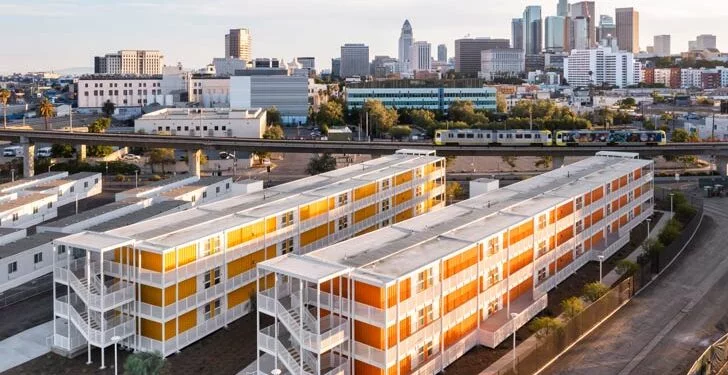
What was once planned to become yet another jail in downtown Los Angeles has instead been transformed into something truly groundbreaking: a vibrant, human-centered community built entirely from repurposed shipping containers.
In 2021, the Hilda L. Solis Care First Village officially opened its doors, offering a mix of temporary and permanent housing for individuals experiencing homelessness. Designed by NAC Architecture and Bernards, the project turned a vacant lot into a fully functional 64,000-square-foot housing village—an achievement made even more impressive by the fact that it was completed in just six months, right in the middle of the COVID-19 pandemic.
This bold project didn’t just create shelter; it redefined what emergency housing can look like, proving that thoughtful design, rapid construction, and sustainable materials can come together to create dignified living spaces for those who need them most.
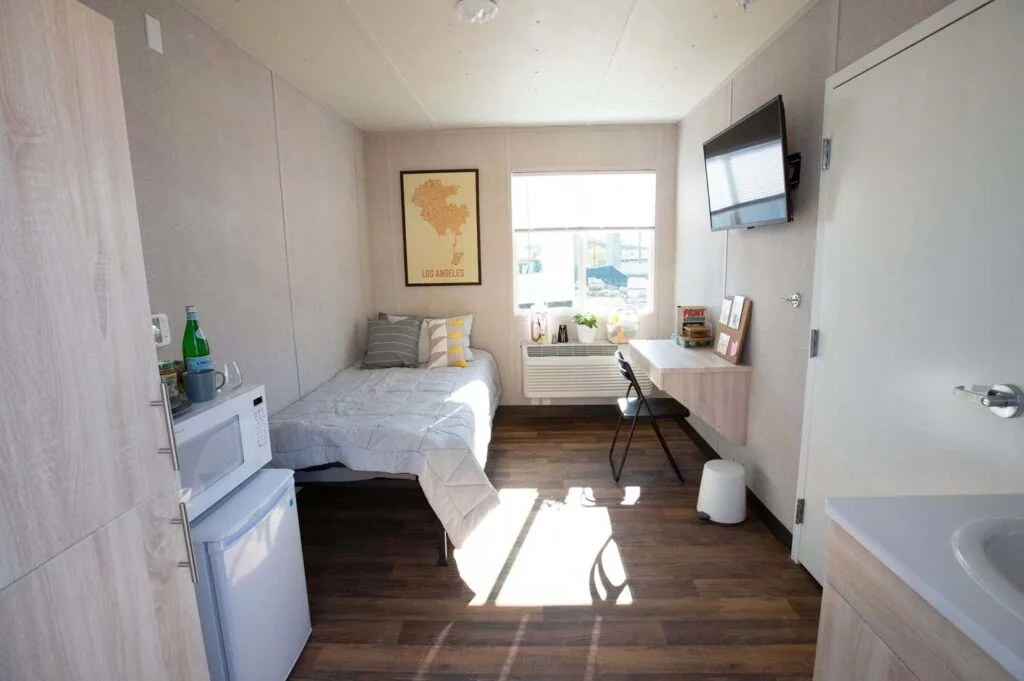
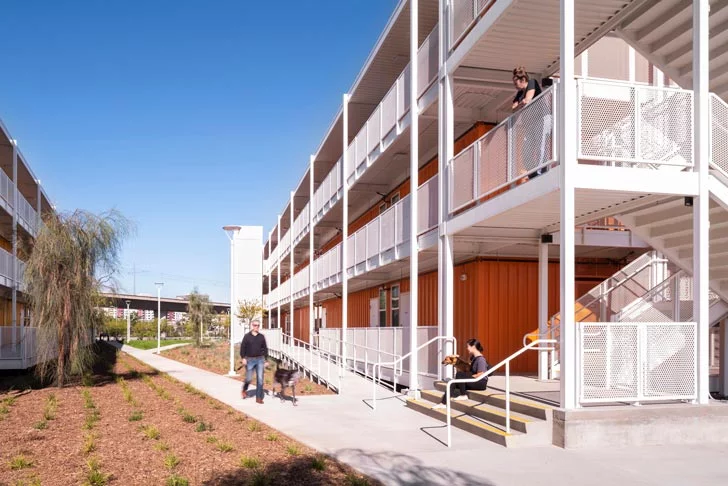
Beyond the private units, the village includes a range of supportive amenities designed to help residents rebuild stability and independence. Communal dining areas, on-site case management offices, landscaped courtyards, and spaces for social services all contribute to a dignified, campus-like environment. The modular design not only speeds up construction but also allows the facility to be easily adapted or expanded as community needs evolve.
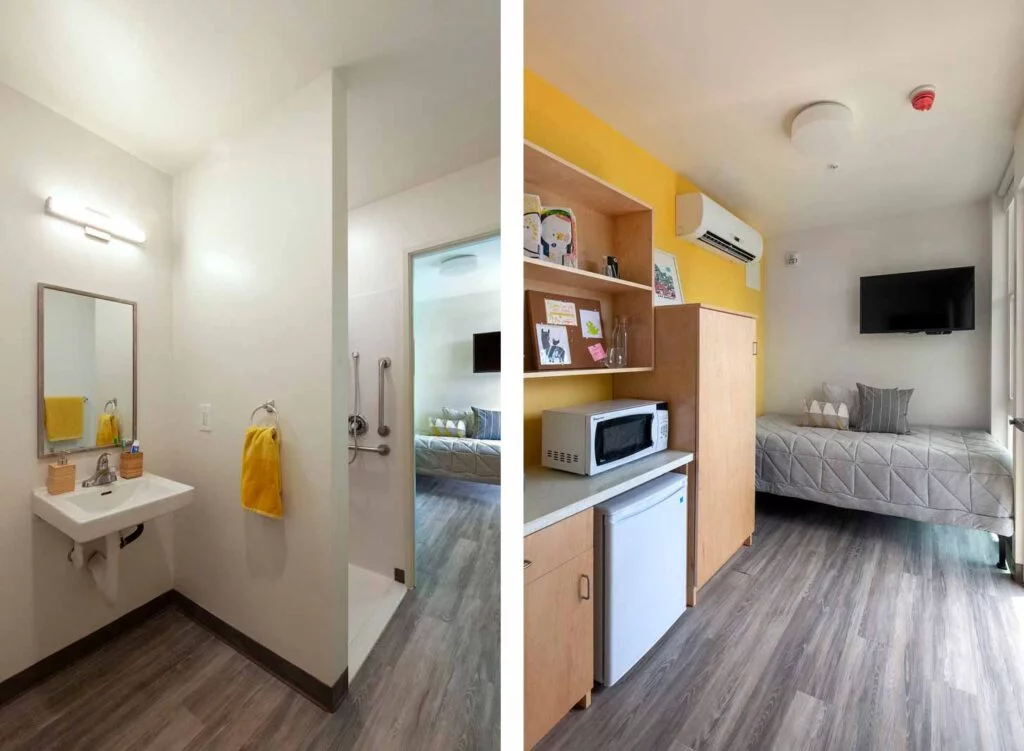
Beyond comfort, the interiors were intentionally designed to provide dignity and privacy—two elements often missing in traditional shelter settings. The efficient layout maximizes livable space while maintaining a sense of warmth and normalcy. Large windows bring in natural light, and the clean, modern finishes help residents feel grounded in a space that truly feels like home. By transforming simple steel boxes into safe, welcoming environments, the project demonstrates how thoughtful design can restore both stability and hope.
“It’s dignified, it’s humane, and it gives people a real chance to get back on their feet,” she said. Solis praised the project not only for its speed and cost-efficiency, but for proving that innovative design can play a crucial role in addressing homelessness. What began as an unconventional experiment has now become a model that other cities are studying—showing how underused land and simple materials can be transformed into life-changing housing.
The Care First Village stands as a bold reminder that solutions don’t always require starting from scratch. Sometimes, they begin with reimagining what’s already there.
“The environment is quite impressive. Treating homelessness can be done with dignity and respect.”
Since opening, the Care First Village has reached full occupancy within a month and has already served close to 800 clients. Today, it’s managed by the Weingart Foundation, a nonprofit dedicated to social good.
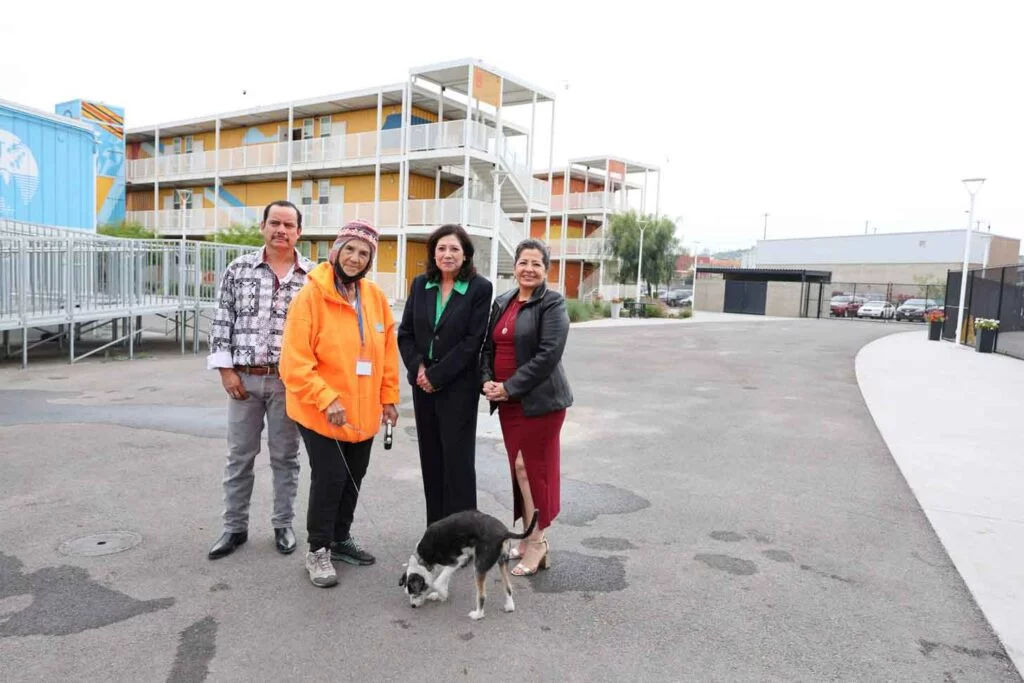
More than just housing, the project stands as a blueprint for change—proof that when cities act quickly and think creatively, even a space once intended for incarceration can be transformed into a beacon of hope.
As Mark Pestrella, director of public works, put it:
“Public servants are excited to be given the opportunity to make a difference. People just dig in when they need to.”
The Hilda L. Solis Care First Village is more than a housing complex—it’s a testament to what’s possible when innovation, compassion, and urgency come together. It shows that small, modular designs can deliver big, meaningful solutions in the fight against homelessness, offering dignity, stability, and a fresh start to those who need it most.
Photo courtesy of Los Angeles County