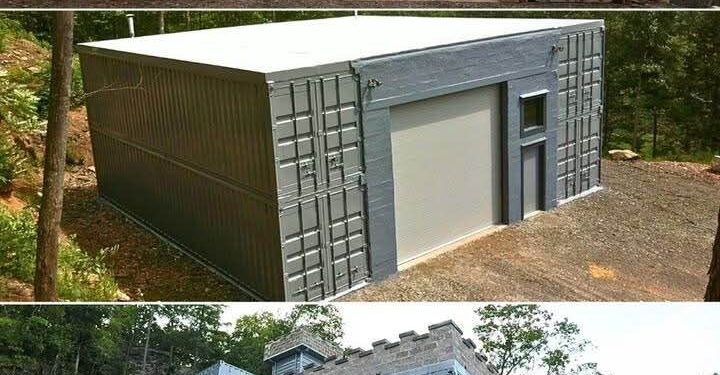
A Modern Castle Crafted from Shipping Containers
Most people picture their dream home as a cozy suburban haven, a sleek penthouse, or a peaceful countryside retreat.
But Andrew Camarata’s dream looked nothing like the ordinary—he wanted a castle.
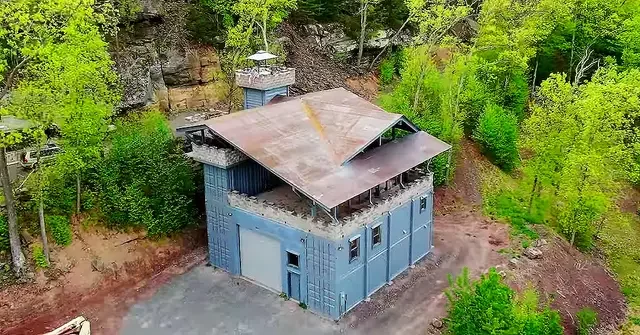
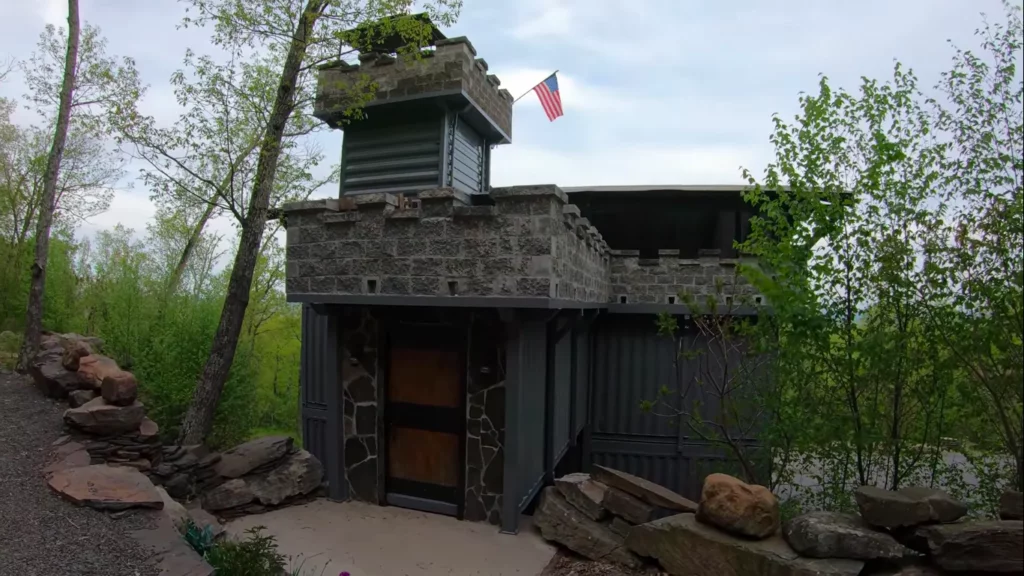
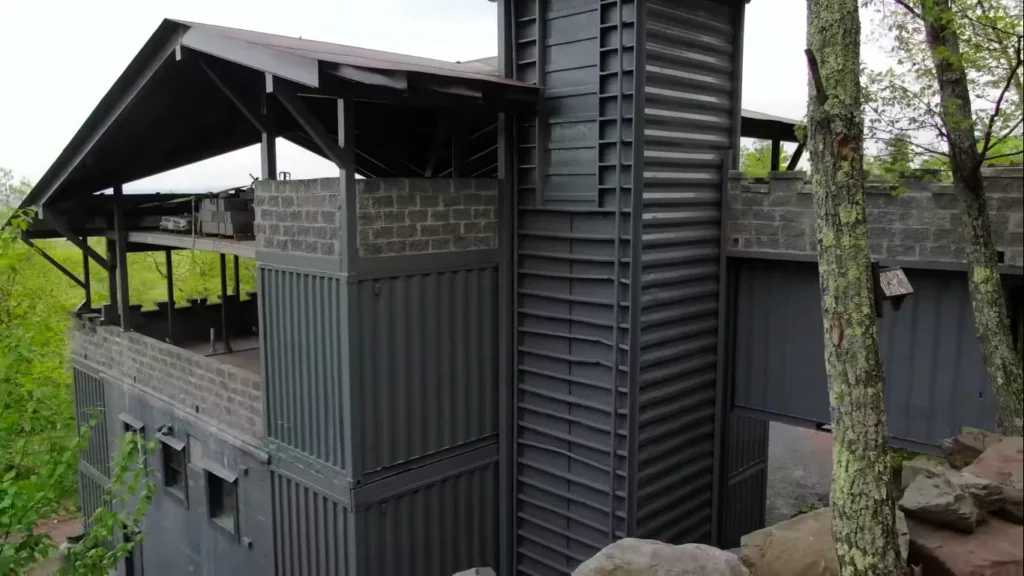
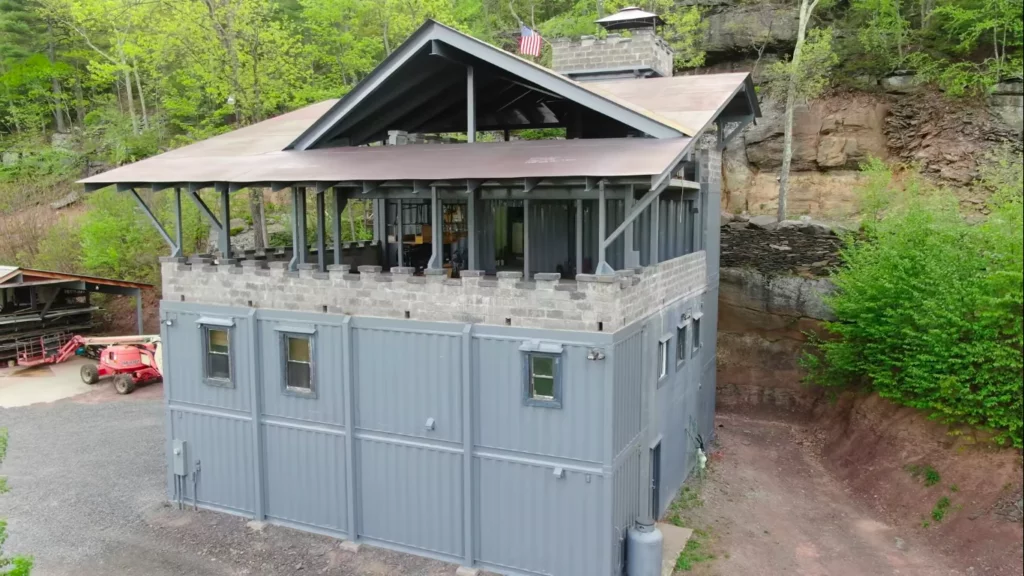
Rather than building with traditional bricks and mortar, he chose a far more unconventional path: he constructed his fortress from shipping containers. The result is a striking, modern castle that’s not only visually captivating but also highly durable, fire-resistant, and able to withstand fierce winds.
After months of careful planning and hands-on labor—stacking containers, welding steel, and fine-tuning every detail—Camarata brought his bold vision to life.
The finished structure blends industrial strength with a touch of medieval drama, creating a home unlike any other.
With the final elements in place, including a crisp new coat of paint across the metalwork, his creation now stands proudly as a monument to innovation, resourcefulness, and pure creative determination.
From Science Graduate to Master Builder
Andrew Camarata—handyman, builder, and business owner—has been immersed in property maintenance and excavation since 2009.
Though his academic background in computer science might suggest a more traditional career, his path unfolded in a far more unconventional and hands-on direction.
Camarata’s fascination with machinery and construction began in childhood, inspired by his father, a talented mechanic and craftsman. Growing up surrounded by engines, tools, and workshop projects, he learned how things worked by taking them apart, fixing them, and putting them back together.
This early exposure nurtured not only his mechanical skills but also a deep love for heavy equipment and outdoor building.
Even with a formal education in computer science, Camarata felt the pull of a more rugged, practical career. He ultimately followed his passion, trading screens and code for excavators, welding torches, and wide-open worksites.
Over the years, he has tackled a series of ambitious builds—each one more impressive than the last—but none have captured the world’s attention quite like his extraordinary shipping container castle.
The Castle-Building Journey
Building Camarata’s castle was far from a quick DIY project—it was a massive, carefully orchestrated undertaking.
The process demanded months of planning, engineering, problem-solving, and relentless hard work.
Through his YouTube channel, viewers can follow the entire transformation in real time—watching as he turns rugged, utilitarian shipping containers into a remarkable, livable fortress. Each video reveals the precision, creativity, and determination behind the build.
The castle’s foundation is composed of multiple shipping containers stacked, aligned, and welded into place with meticulous accuracy.
Unlike traditional homes made from wood framing or brick, Camarata’s steel structure offers unmatched strength and resilience, giving the castle a level of durability few conventional houses can match.
The Appeal of Shipping Container Homes
While Camarata isn’t the first to experiment with building homes from shipping containers, his project stands out as one of the most daring and imaginative.
Container homes have surged in popularity in recent years, thanks to their unique blend of affordability, durability, and eco-friendly potential. Repurposing decommissioned containers reduces waste, lowers construction costs, and provides an incredibly strong structural foundation—making them an appealing choice for creative builders and modern homeowners alike.
Here’s Why Shipping Container Homes Are Such an Appealing Option
Cost-Effective:
Shipping containers are far more affordable than traditional building materials. A used container often ranges from $1,500 to $5,000, making it a budget-friendly foundation compared to lumber or brick construction.
Durability:
Built from heavy-duty steel, containers are engineered to survive harsh ocean conditions. Their natural resistance to wind, water, and seismic activity makes them exceptionally strong alternatives to conventional home materials.
Sustainability:
Transforming retired shipping containers into homes gives them a second life. Instead of rusting in shipyards, these steel structures are repurposed into functional, eco-friendly living spaces—significantly reducing waste.
Modular Design:
One of the greatest benefits of container construction is its modular nature. Additional units can be stacked or arranged like building blocks, allowing homeowners to expand their living space with ease.
Step-by-Step: How He Built It
Camarata approached his castle build with meticulous planning and engineering. Here’s a breakdown of how he turned a pile of containers into a towering modern fortress:
1. Designing the Layout
Before lifting a single container, Camarata needed a clear vision.
He started with small-scale models—mini shipping containers he arranged like LEGO bricks to explore various configurations.
To refine these ideas, he used Google SketchUp, a 3D modeling software that helped him finalize the blueprint and perfect the castle’s layout before construction began.
2. Stacking and Welding the Containers
With the design locked in, the real work began.
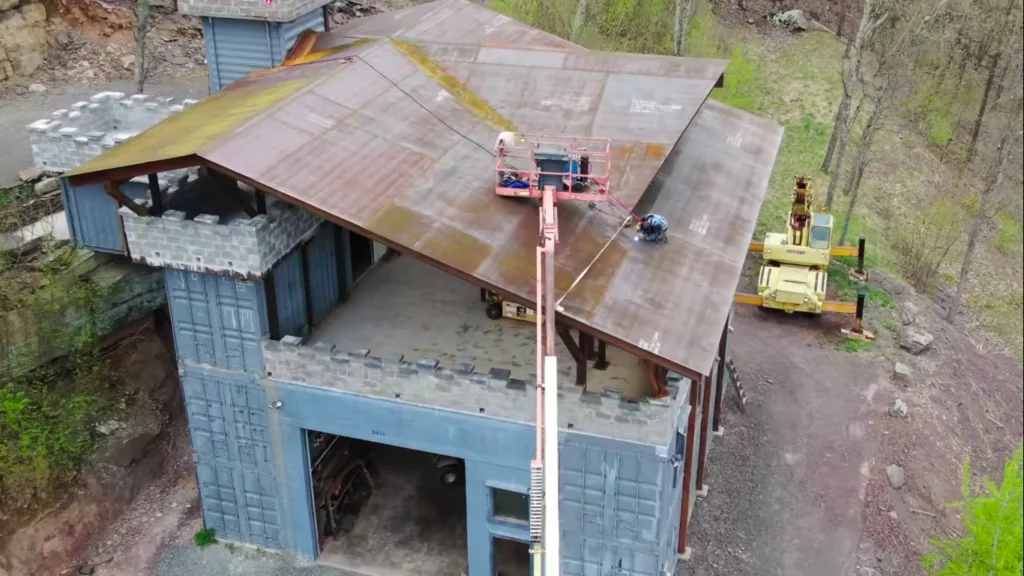
Using heavy machinery, he carefully maneuvered each steel container into place, forming a multi-level structural framework.
Welding was essential. Every connection needed to be precise and secure to ensure long-lasting stability.
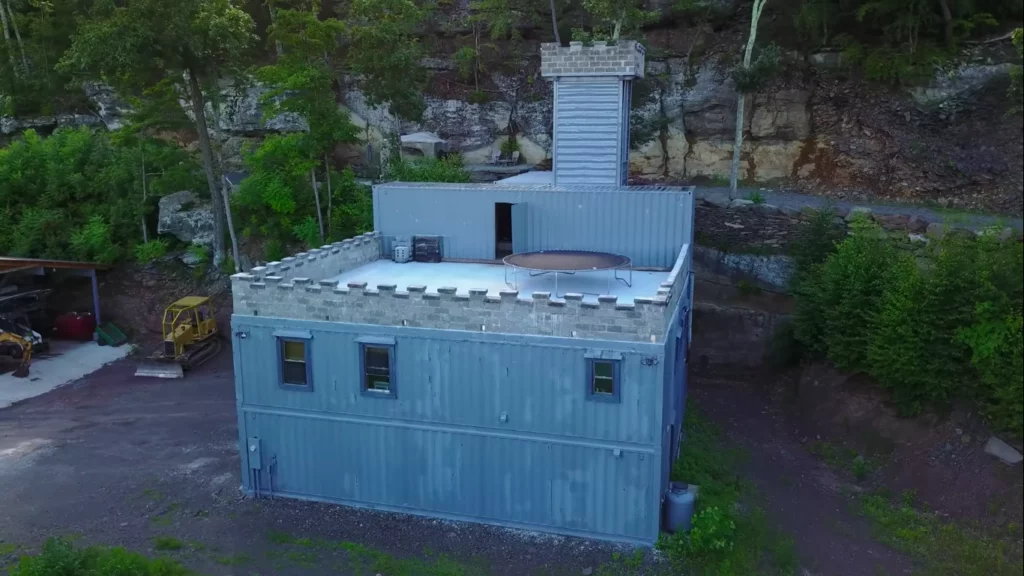
To strengthen the second floor and roof, Camarata added precast concrete panels, further reinforcing the entire structure.
3. Cutting and Reinforcing Openings
Living in a castle requires windows, doors, and stairways—but cutting into steel containers compromises their strength.
To solve this, Camarata reinforced each cut with structural steel beams, ensuring the integrity of the castle while creating functional, livable spaces.
4. Insulation and Interior Work
Steel conducts both heat and cold, so insulation was a critical step.
Camarata applied spray foam insulation, which offered superior thermal efficiency and soundproofing.
With the climate under control, he outfitted the interior with flooring, wall finishes, and custom-built furniture, turning the industrial frame into a warm, comfortable home.
5. Final Touches
The finishing phase focused on protecting and personalizing the structure.
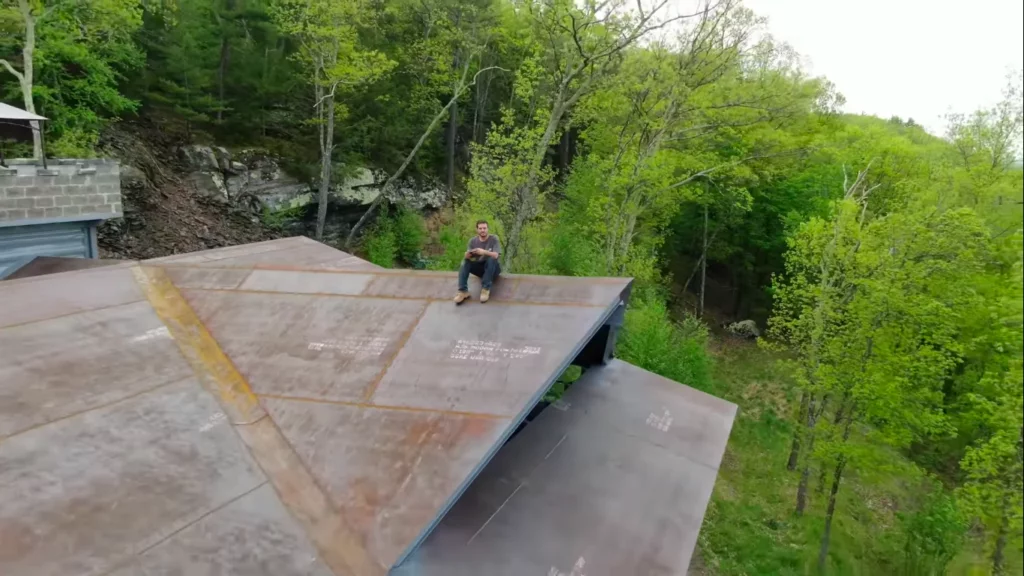
He coated the exterior with weather-resistant paint, shielding the metal from rust and giving the castle a cohesive, polished look.
Once sealed, painted, and fully assembled, the modern container castle finally stood complete—imposing, unique, and built to last.
Overcoming Challenges
Building any home is a challenge—but creating a castle out of shipping containers adds entirely new layers of complexity.
Challenges Along the Way — and How He Solved Them
Building a castle out of shipping containers isn’t as simple as stacking metal boxes. Camarata encountered several major hurdles throughout the process, each requiring creative problem-solving and technical skill.
Structural Modifications:
Every time a doorway, window, or staircase opening was cut into the steel walls, it weakened the container’s natural strength. To fix this, Camarata added reinforcement beams and welded supports, ensuring the structure remained solid and safe.
Temperature Control:
Steel is notorious for absorbing heat in the summer and becoming frigid in the winter. To combat this, he used high-quality spray foam insulation, creating a stable, comfortable interior climate year-round.
Heavy Lifting:
Moving, stacking, and precisely positioning massive steel containers required cranes, excavators, and a keen understanding of heavy equipment. Camarata’s experience in excavation gave him the expertise needed to handle this demanding phase safely.
Permits and Regulations:
Like any major construction project, navigating local building codes and obtaining permits was essential. Ensuring the castle met safety and zoning requirements allowed the project to move forward without legal setbacks.
The Future of Shipping Container Homes
Camarata’s castle stands as a powerful example of what’s possible when creativity meets determination. His project demonstrates that shipping containers aren’t just industrial leftovers—they can be transformed into durable, modern, and affordable homes.
With housing prices continuing to rise, many people are searching for innovative, budget-friendly alternatives, and container homes are becoming an increasingly popular choice. They offer:
- Sustainability through recycled materials
- Affordability compared to traditional construction
- Flexibility with modular, customizable designs
As more builders, homeowners, and designers embrace this trend, container architecture is poised to play a significant role in the future of modern housing—proving that even the most unconventional materials can become the foundation of a dream home.
What’s Next?
With the castle nearing completion, Camarata has already sparked curiosity about what he’ll build next. Known for pushing the boundaries of design and engineering, he has hinted that even bigger and bolder ideas may be on the horizon. A floating fortress? A battleship-inspired home? With his imagination and skill, anything seems possible.
For now, viewers eagerly anticipate the full house tour—an inside look at the finished castle, showcasing every detail of the craftsmanship and creativity that went into it.
Whether you’re a DIY builder, a construction expert, or simply someone who loves unique architecture, Camarata’s shipping container castle stands as a powerful reminder of what can be achieved when passion, innovation, and determination collide.

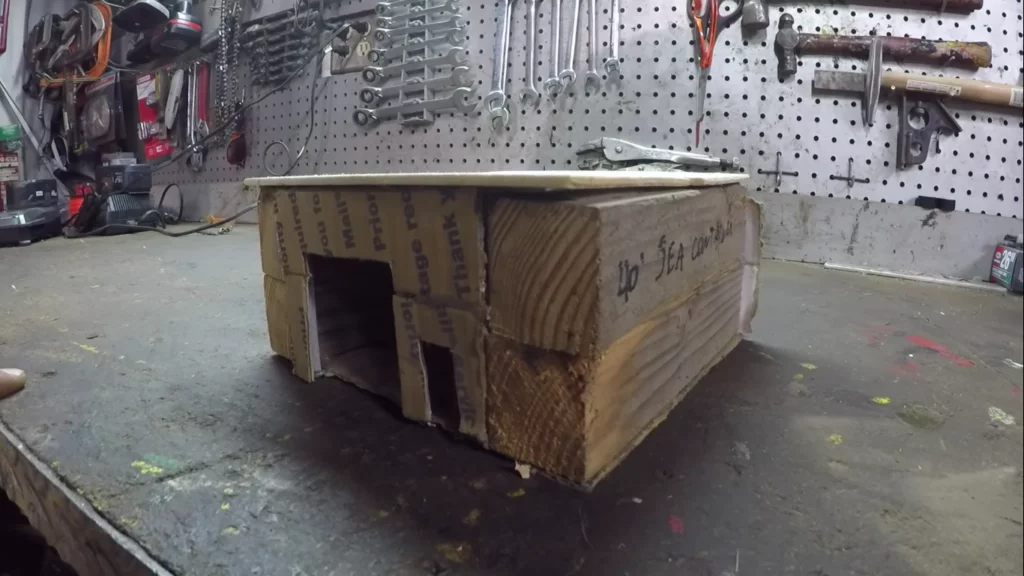
Source: Andrew Camarata