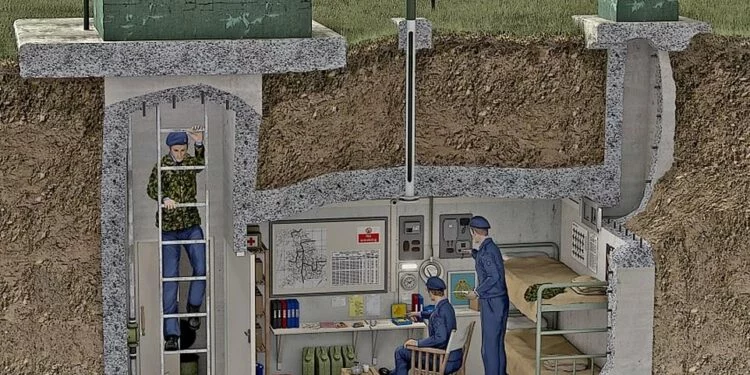
Unlock hidden history and long-lost secrets inside this Cold War–era nuclear monitoring bunker in Cornwall.
A captivating fragment of Cold War history is now up for grabs—perfect for anyone drawn to the unusual, the mysterious, and the historically significant.
Hidden within the peaceful landscapes of Cornwall lies a former Royal Observer Corps Monitoring Post, built 14 feet underground to track nuclear activity during one of the most tense periods in modern history. Priced at just £25,000, this subterranean structure offers a rare chance to own an authentic relic from a world on the brink.
Established in 1961 near St. Agnes, the bunker remains a haunting reminder of an era defined by uncertainty and global unease. It stands today as a silent witness to a time when nuclear threat loomed large, carrying with it an atmosphere of vigilance, suspense, and resilience.
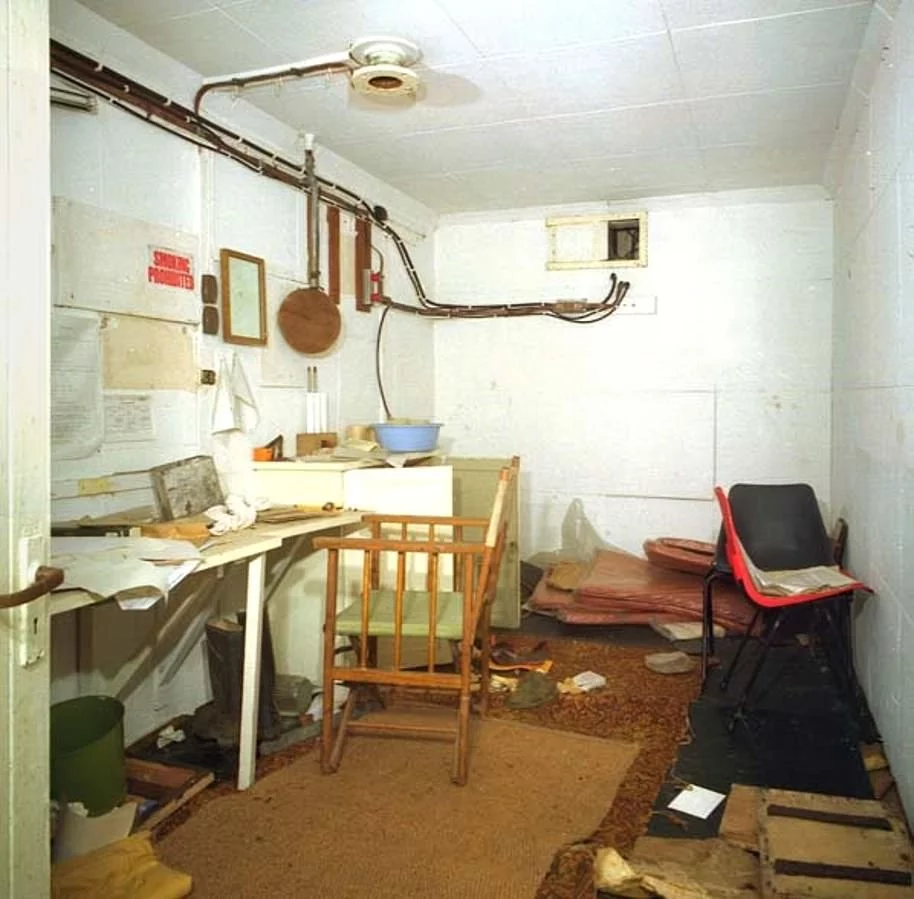
Accessing this underground outpost involves traveling down a rustic vehicle track before descending a 14-foot ladder straight into the heart of the past. Compact and utilitarian, the bunker’s interior—measuring 15 feet long, 7 feet wide, and 8 feet high—retains the claustrophobic character that once defined daily life for its occupants.
Every step down the ladder feels like a step into another world. The confined chambers echo the anxieties, responsibilities, and quiet determination of the Royal Observer Corps volunteers who once worked within these walls. Despite the cramped setting, their role was vital to national security, a testament to their dedication under pressure.

This bunker is one of more than 1,500 installations that once formed a vast defensive network stretching across the British landscape from the 1960s to the 1990s—a powerful reminder of an era overshadowed by the constant threat of nuclear war.
Strategically positioned to detect and report signs of nuclear explosions, these monitoring posts worked together to create a nationwide early-warning system. Their very existence speaks to the deep, widespread anxiety of the Cold War, a time when governments prepared relentlessly for scenarios they hoped would never come.
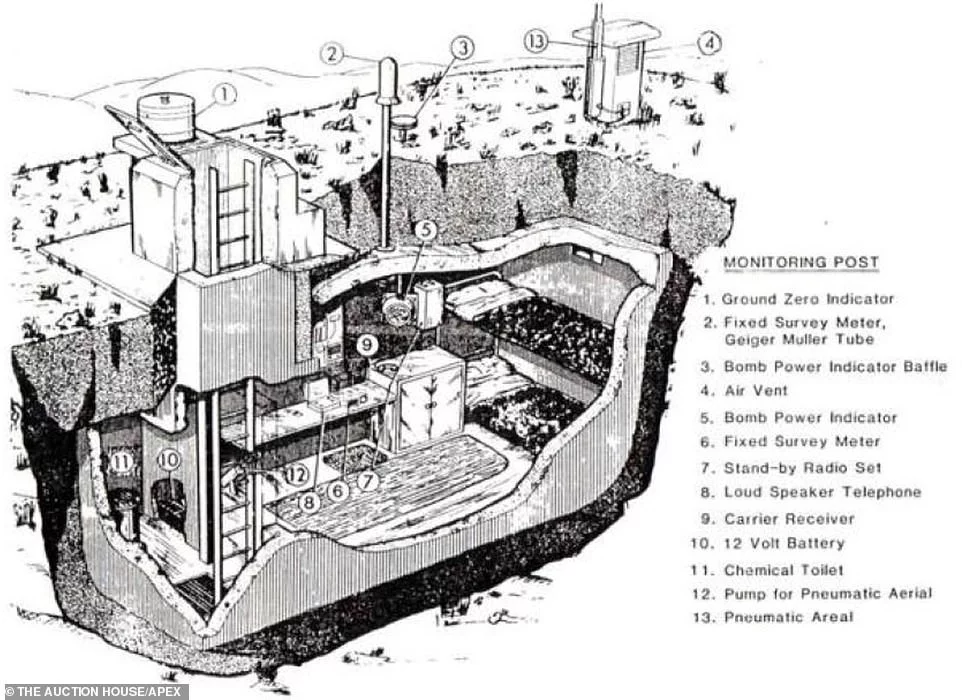
At its core, this particular installation is simple yet historically significant: an access shaft, a basic chemical toilet, and a compact monitoring room. During its active years, these spaces were staffed and maintained by dedicated Royal Observer Corps volunteers whose vigilance played a crucial role in the UK’s civil defense strategy.
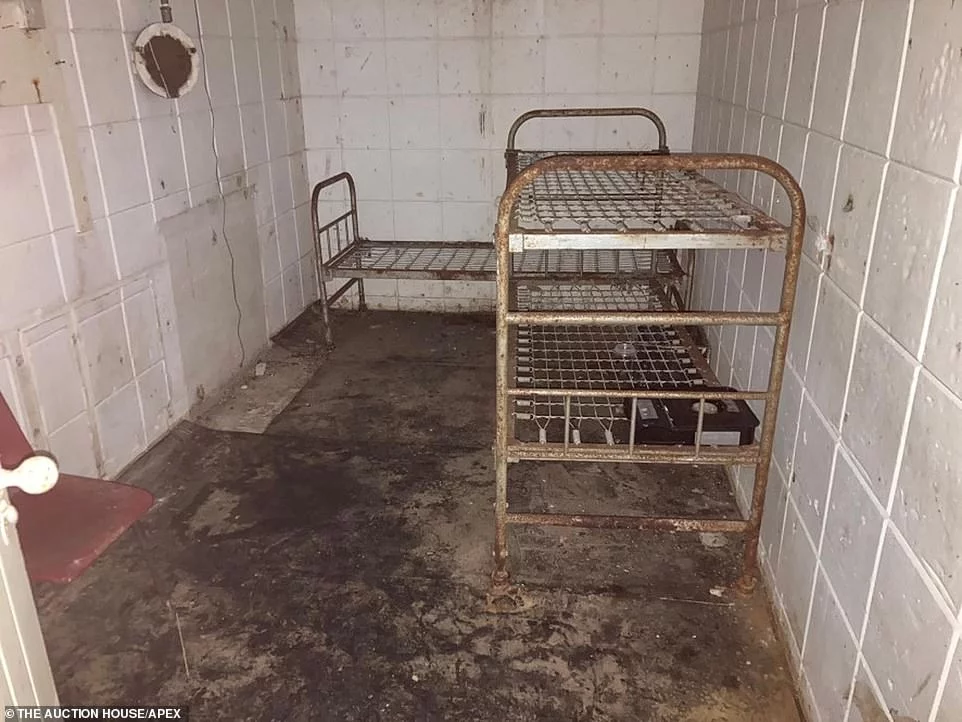
These posts played a vital role throughout the Cold War, acting as steadfast sentinels tracking aircraft activity and monitoring for potential nuclear threats. Their stark, utilitarian design highlights the unwavering commitment of the Royal Observer Corps volunteers, who stood prepared to confront the unimaginable. Their vigilance formed an essential part of the UK’s civil defense system, supplying early warnings and crucial data in the event of a nuclear attack.
According to auctioneer Adam Cook, spending even a short time alone in the bunker can feel distinctly “eerie,” offering a visceral reminder of the tension that defined the era. This haunting atmosphere is part of the property’s undeniable intrigue, inviting potential buyers to experience the palpable echoes of Cold War anxiety firsthand. The quiet isolation of the bunker only deepens its historical gravity, creating a rare sensory journey into Britain’s past.

This property is far more than an underground shelter—it’s a rare historical artifact sealed in reinforced concrete. First activated in 1961 and officially decommissioned in 1991, the bunker has endured decades beneath the surface, emerging today as a remarkable opportunity for those drawn to the unusual and historically rich.
Set to be auctioned online on February 18, the bunker comes with a small triangular parcel of land, offering a tangible connection to one of the most tense and technologically transformative periods in modern history. For prospective buyers, this sale represents an extraordinary chance to own a silent witness of the Cold War—its fears, its innovations, and its enduring legacy.
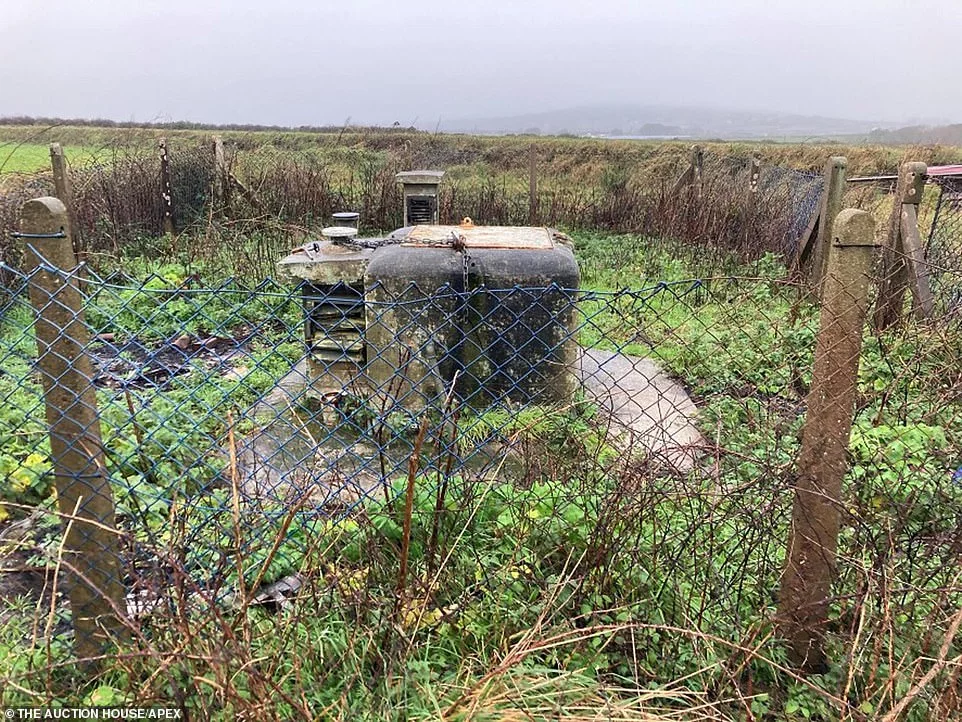
The sellers and auctioneer have outlined several imaginative possibilities for this unusual property—each, of course, dependent on planning approval from Cornwall Council. The range of potential uses is as diverse as the buyers it may attract, from history enthusiasts eager to preserve a Cold War relic to landowners looking for a one-of-a-kind feature to enhance their estate.
Whether reimagined as a compact museum, an unforgettable holiday rental, or a secluded private hideaway, the bunker presents a flexible foundation for both creative and practical ventures. Any future vision will need to honor the site’s historic character while thoughtfully adapting it for modern use, ensuring its Cold War story continues to resonate for generations to come.
Mr. Cook explains that defining the bunker as any single type of purchase is nearly impossible—its rarity and historic weight place it in a category of its own. Interest has poured in from a wide range of prospective buyers, a testament to the property’s unusual charm and the many different ways people connect with the past. For some, it represents nostalgia; for others, an academic fascination or simply the appeal of owning something truly one-of-a-kind. This broad intrigue highlights that the bunker is far more than real estate—it is a physical bridge to a defining chapter of world history.
The Royal Observer Corps, the civil defense organization responsible for manning these posts, played an essential role throughout the Cold War. Its volunteers were trained to visually detect, identify, track, and report aircraft movements across Great Britain. In the event of a nuclear attack, teams stationed inside bunkers like this one were expected to monitor radiation levels and deliver crucial data. Their work formed a critical backbone of national security, carried out in cramped, austere conditions that demanded resilience, discipline, and unwavering dedication.
This bunker is part of a much larger network that once included 29 Royal Observer Corps headquarters—fortified structures engineered to withstand atomic blasts and monitor their devastating aftermath. Though nearly half of these headquarters have been demolished since decommissioning, the survivors continue to fascinate historians and enthusiasts alike. Each remaining site stands as a powerful reminder of the tension-soaked decades when nuclear conflict felt perilously close.
The endurance of these bunkers provides a rare, tangible link to the Cold War, allowing us to confront the anxieties, strategies, and extraordinary precautions of that era. They serve not only as historical artifacts but as educational touchpoints, offering insight into the immense efforts nations undertook to prepare for the unimaginable.
This sale is more than a simple land purchase—it is an invitation to step directly into the shadows of history. For collectors, historians, and anyone captivated by Cold War heritage, the bunker represents a priceless artifact, preserving the stark reality of a world bracing for nuclear conflict. Its continued preservation and potential repurposing ensure that the lessons and stories of this pivotal era remain alive, accessible, and profoundly meaningful.