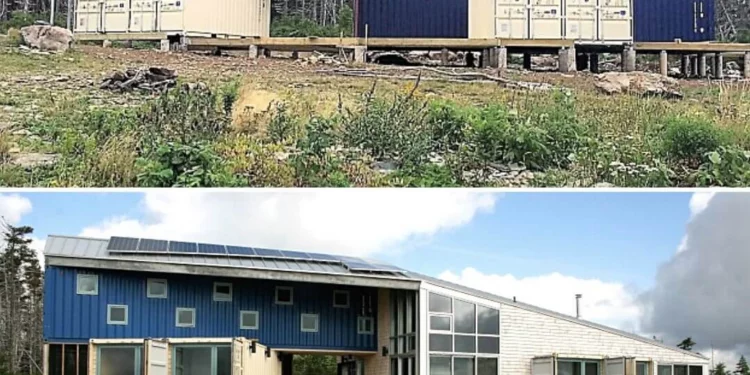
Top 14 Most Insane Shipping Container Transformations Ever Seen
Shipping containers—once simple metal boxes built to haul goods across oceans—have undergone a stunning evolution, emerging as one of the boldest and most innovative directions in modern architecture: container homes.
Originally engineered to endure brutal sea conditions, relentless stacking, and rough handling at ports, these steel giants are now being reimagined in ways that completely transcend their utilitarian past. What was once considered industrial scrap or basic storage has become a blank canvas for creativity, sustainability, and contemporary design.
Their inherent strength and unmistakable modularity make shipping containers the perfect foundation for architectural innovation. Whether transformed into minimalist tiny homes or expanded into sprawling multi-container residences, each unit can be stacked, combined, cut, or modified to create an incredible range of layouts and aesthetics.
Yet the appeal of container homes goes far deeper than their visual versatility. By repurposing existing containers, builders reduce the demand for traditional construction materials and help mitigate the growing issue of unused containers accumulating in ports across the globe. This second life aligns perfectly with sustainable building principles—making container homes a favorite among eco-conscious designers and homeowners.
Beyond sustainability, these structures offer impressive durability. Their steel framework is capable of withstanding extreme weather, providing a reassuring sense of security for homeowners in storm-prone regions. At the same time, their compact footprint and modular design make them particularly well-suited for urban environments where space is limited and creative housing solutions are more important than ever.
Ultimately, the rise of container homes symbolizes the ingenuity of modern design—proving that even the most ordinary objects can be transformed into extraordinary living spaces. More than just a trend, they represent a powerful movement toward sustainable, adaptable, and forward-thinking architecture.
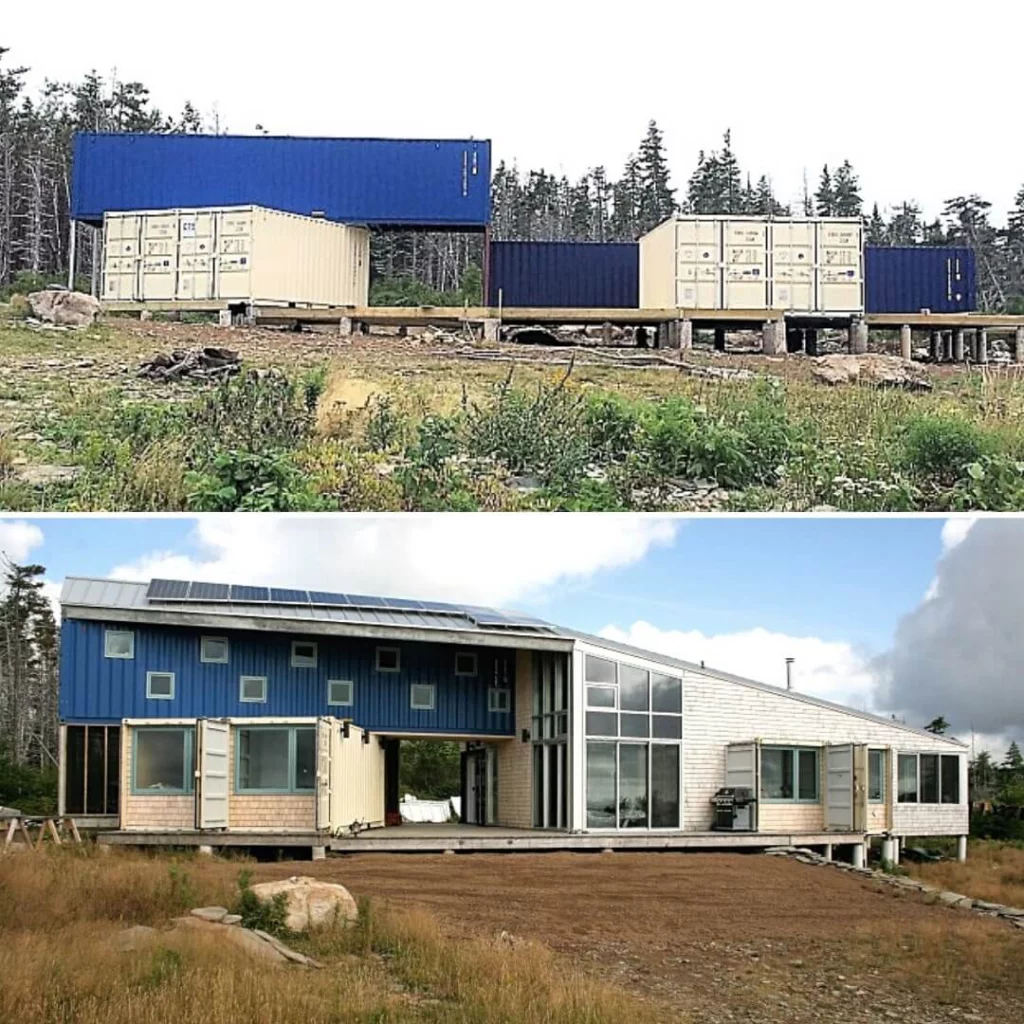
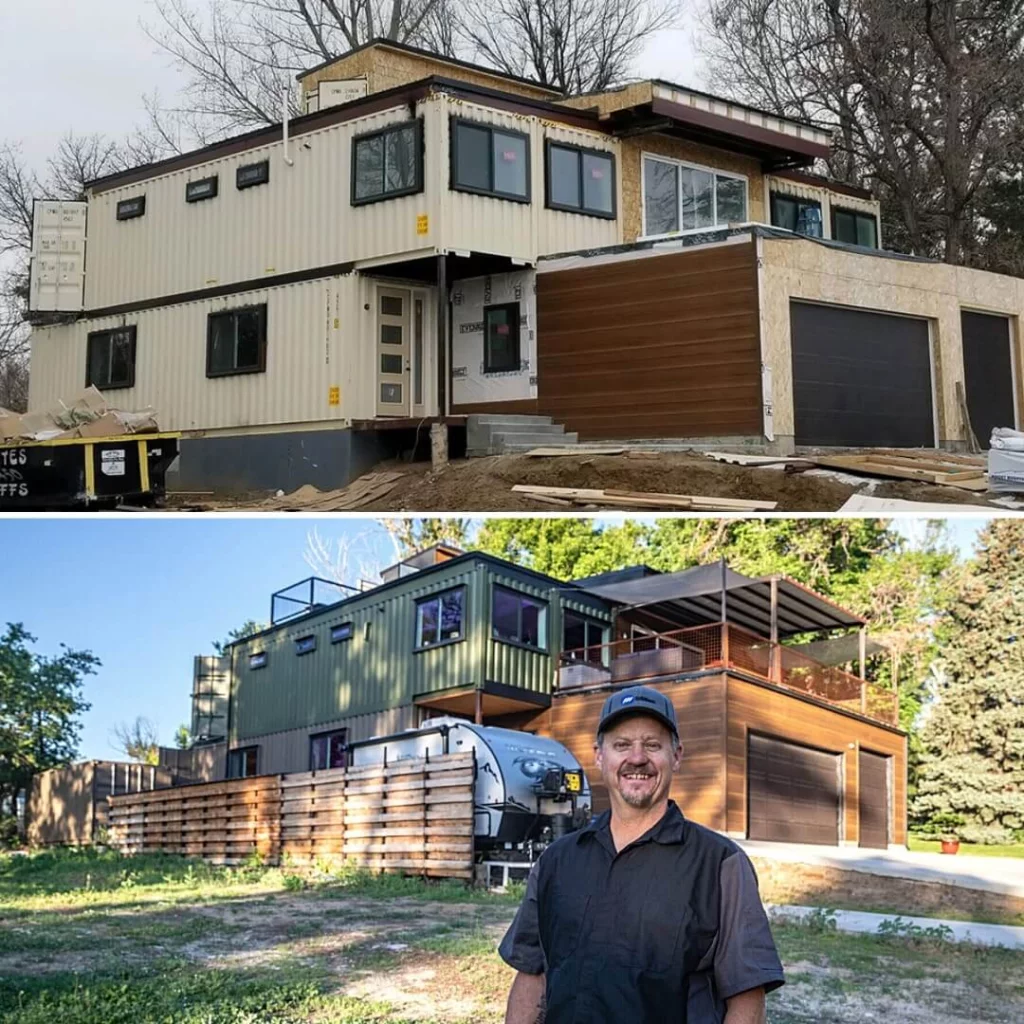
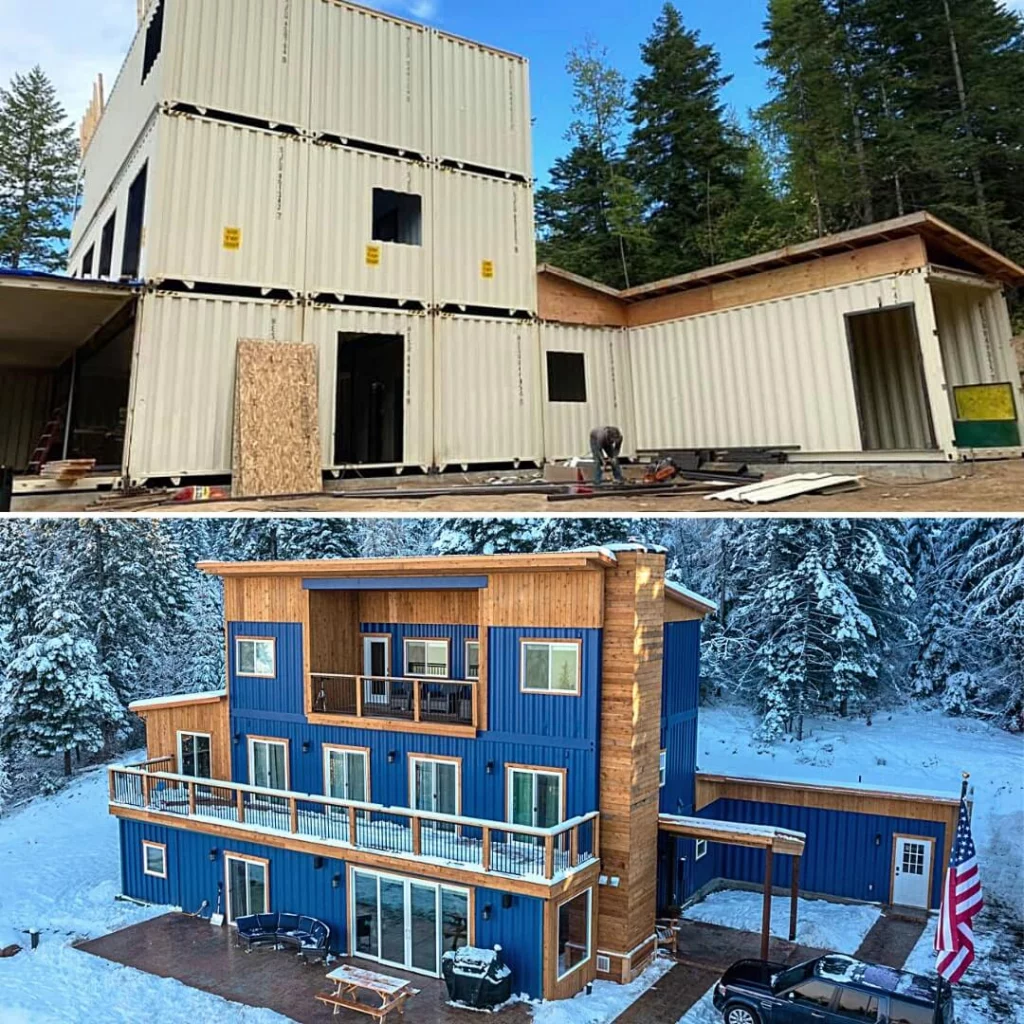
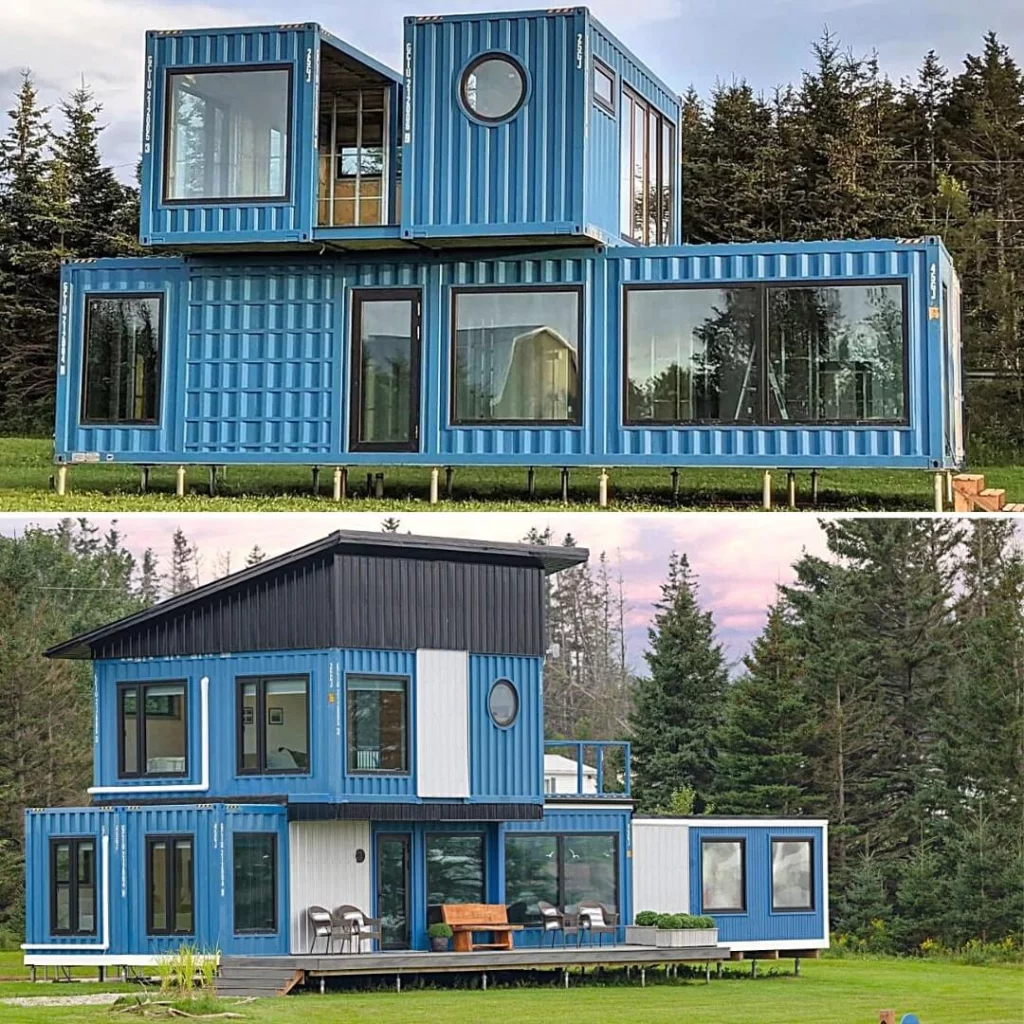
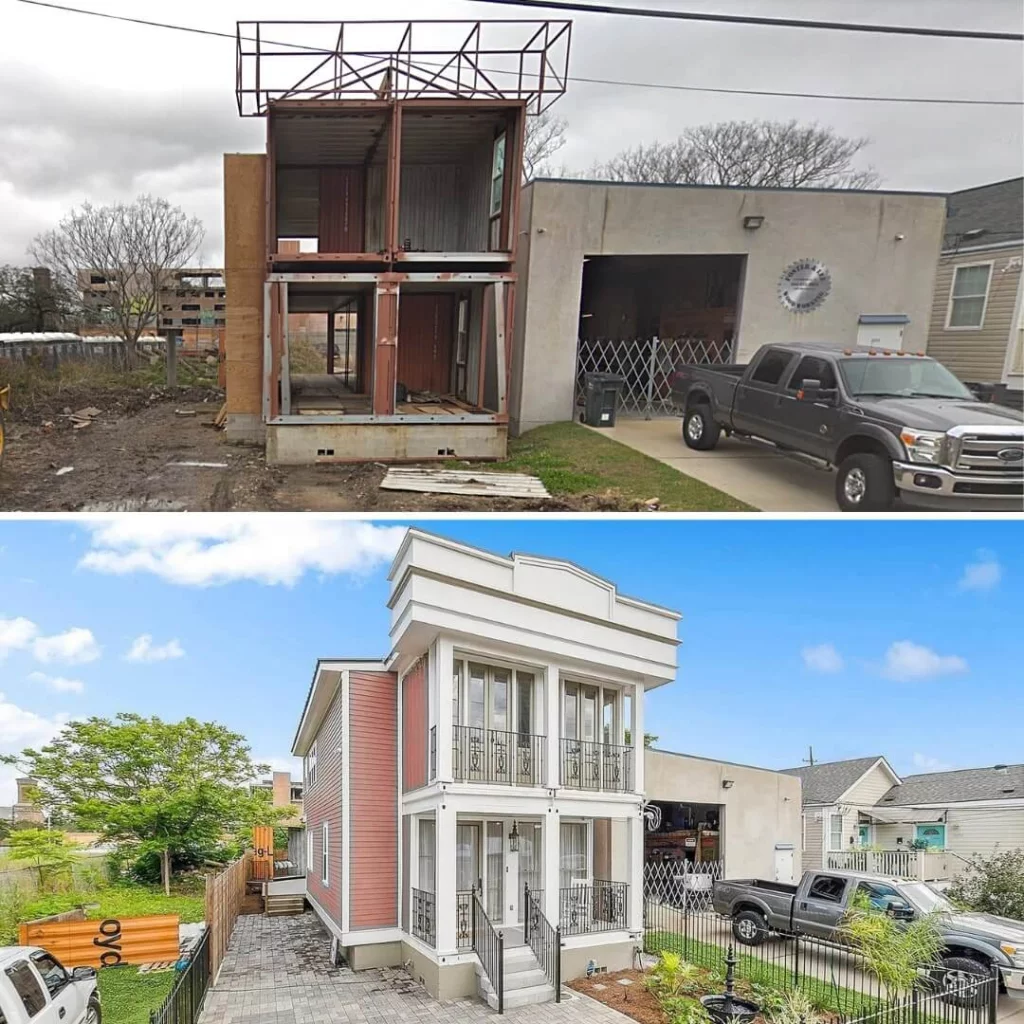
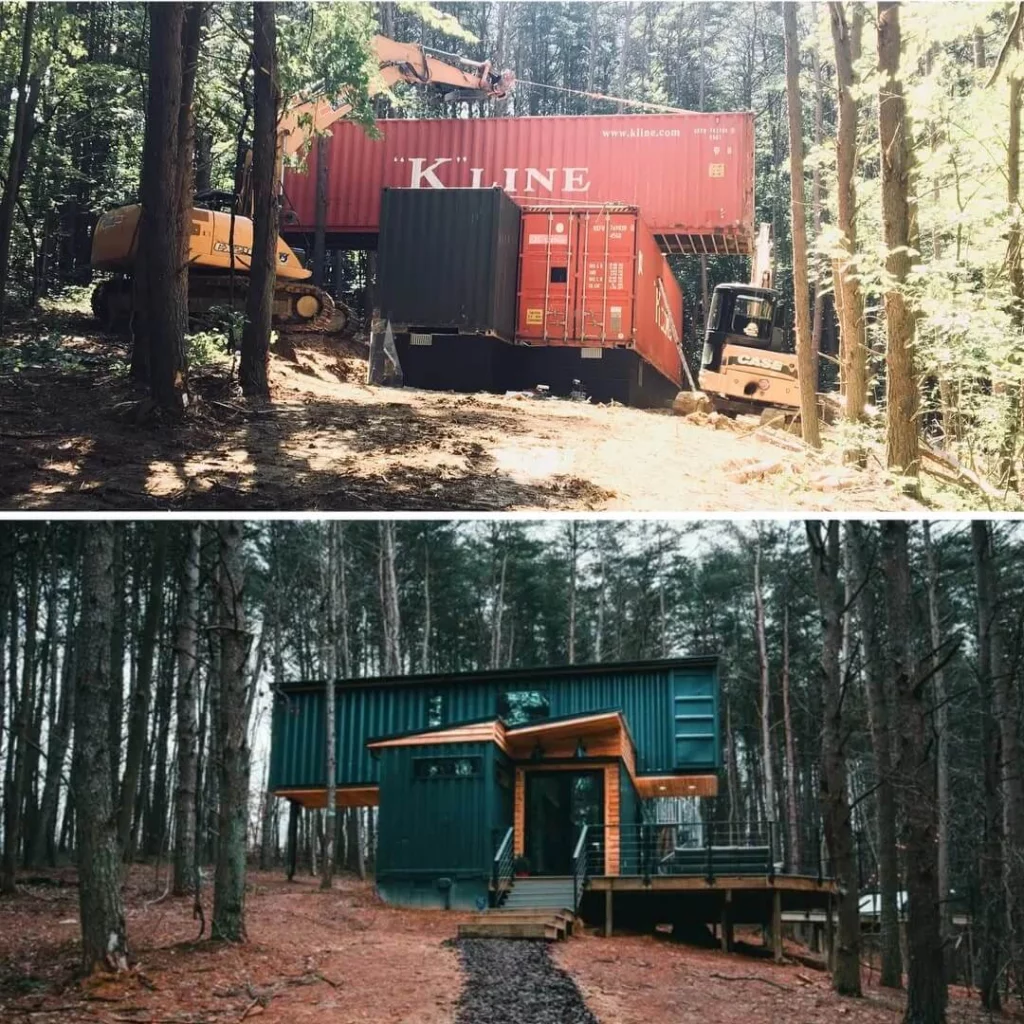
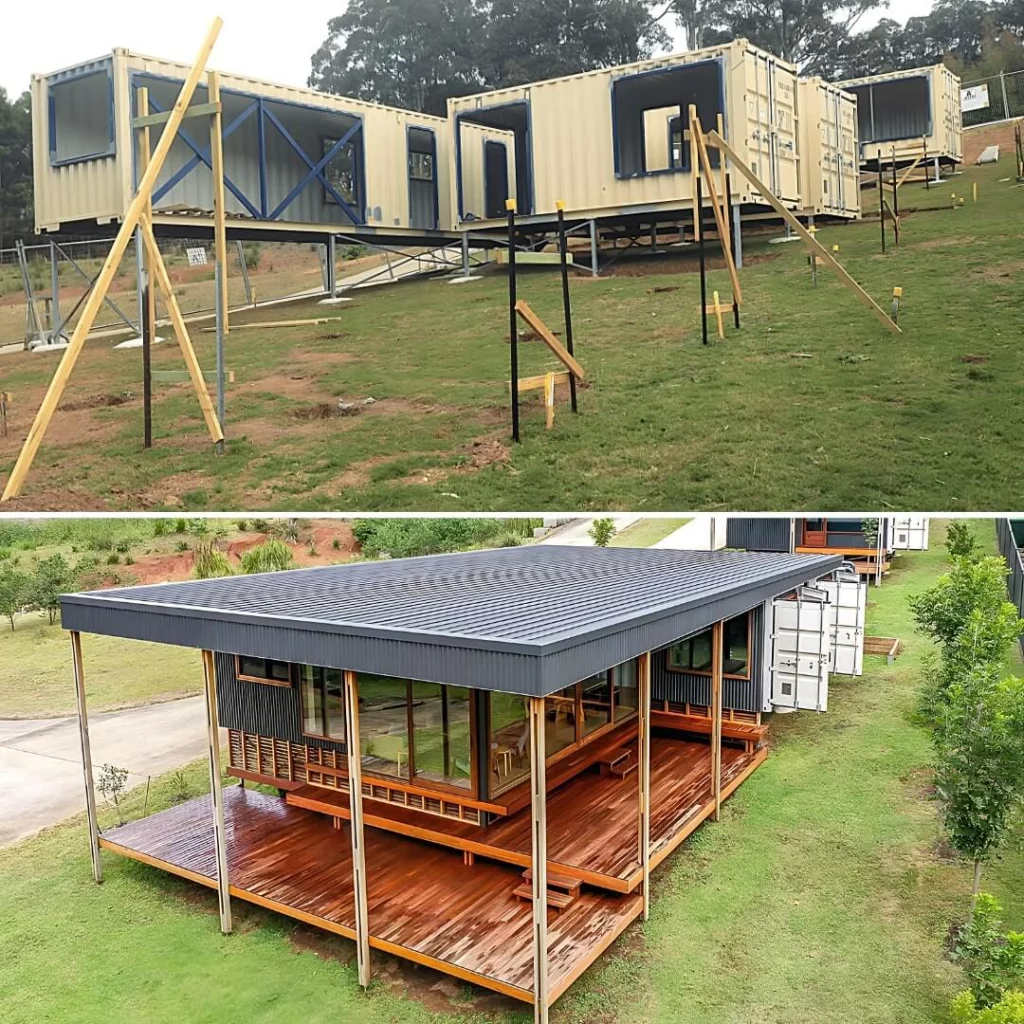
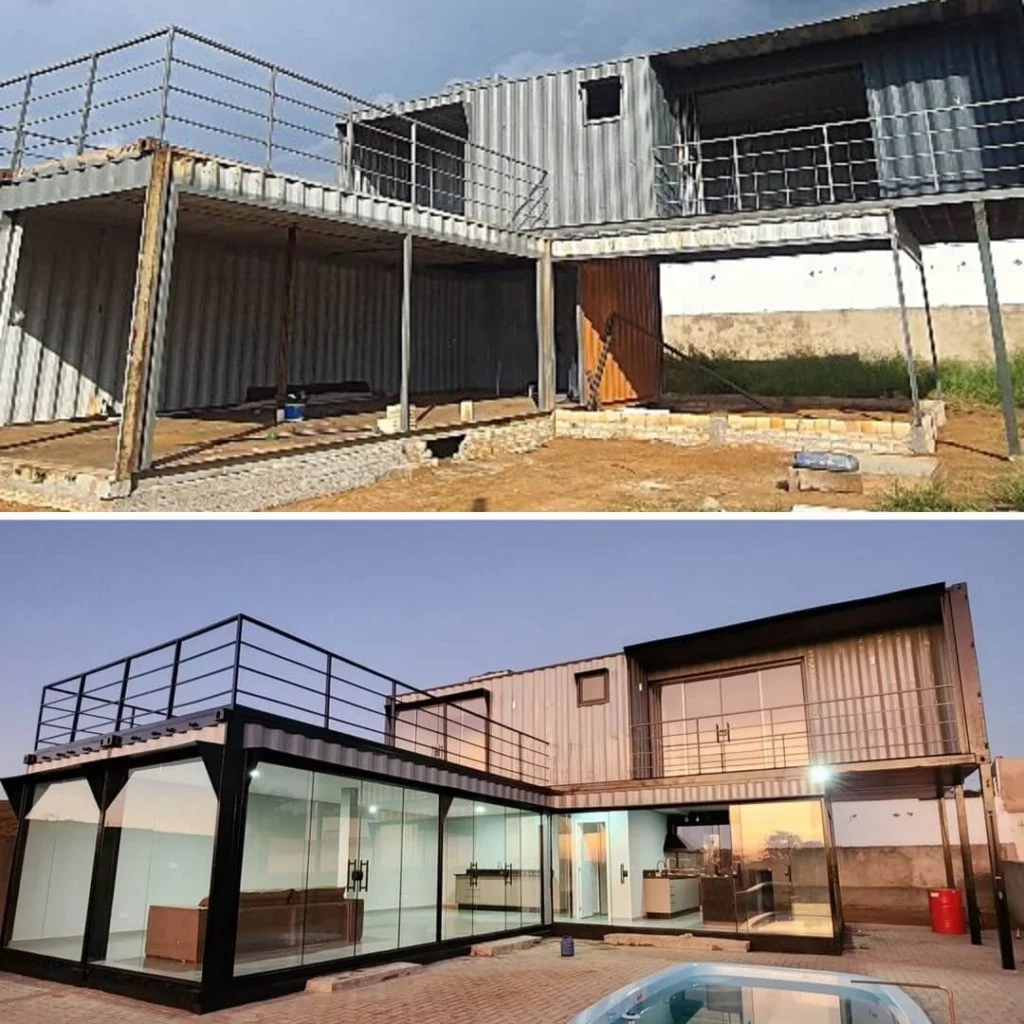
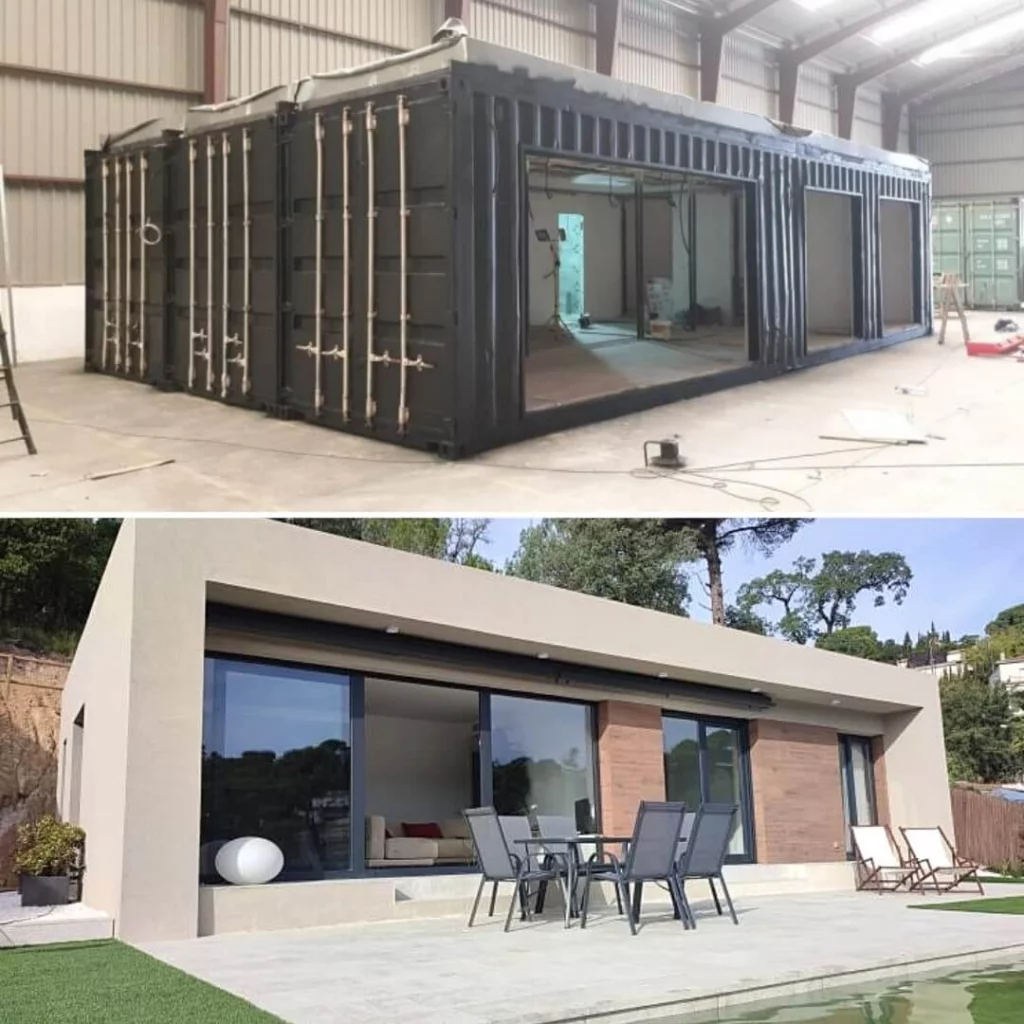
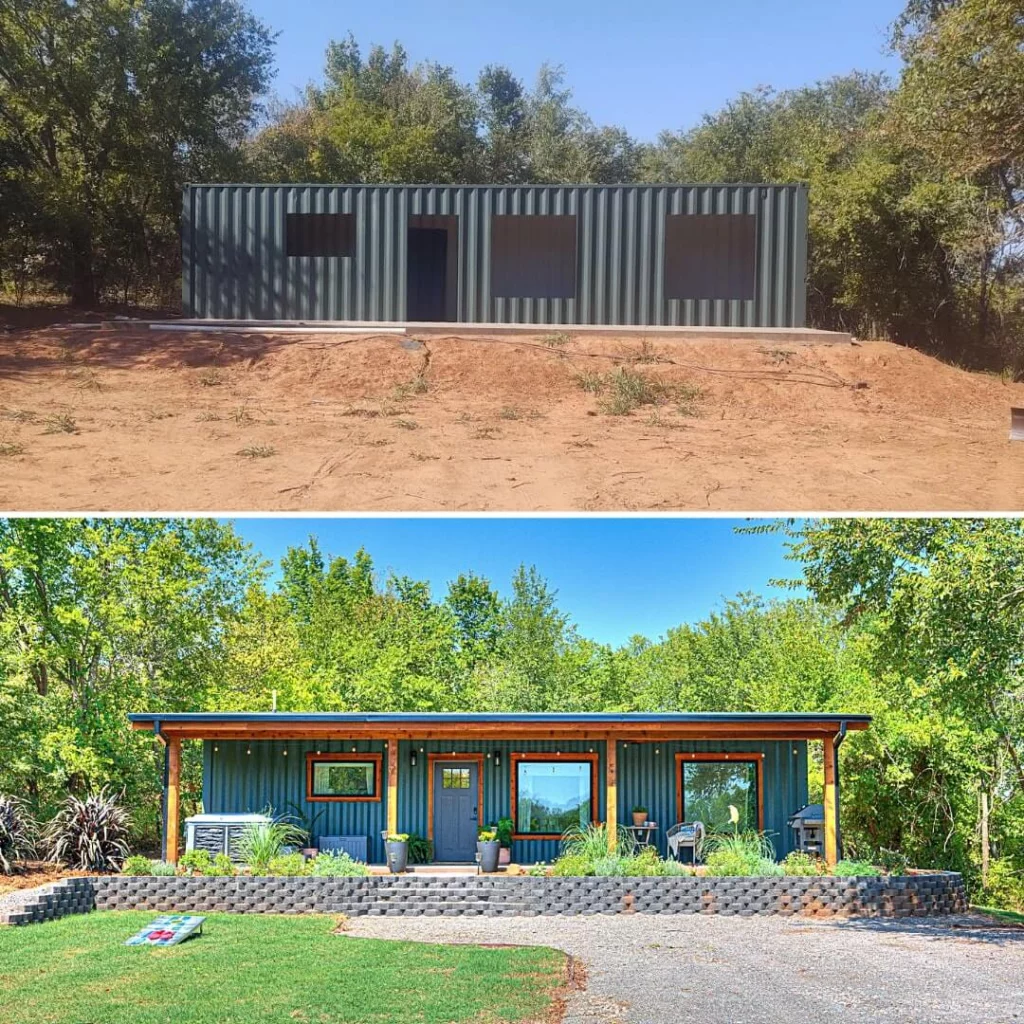
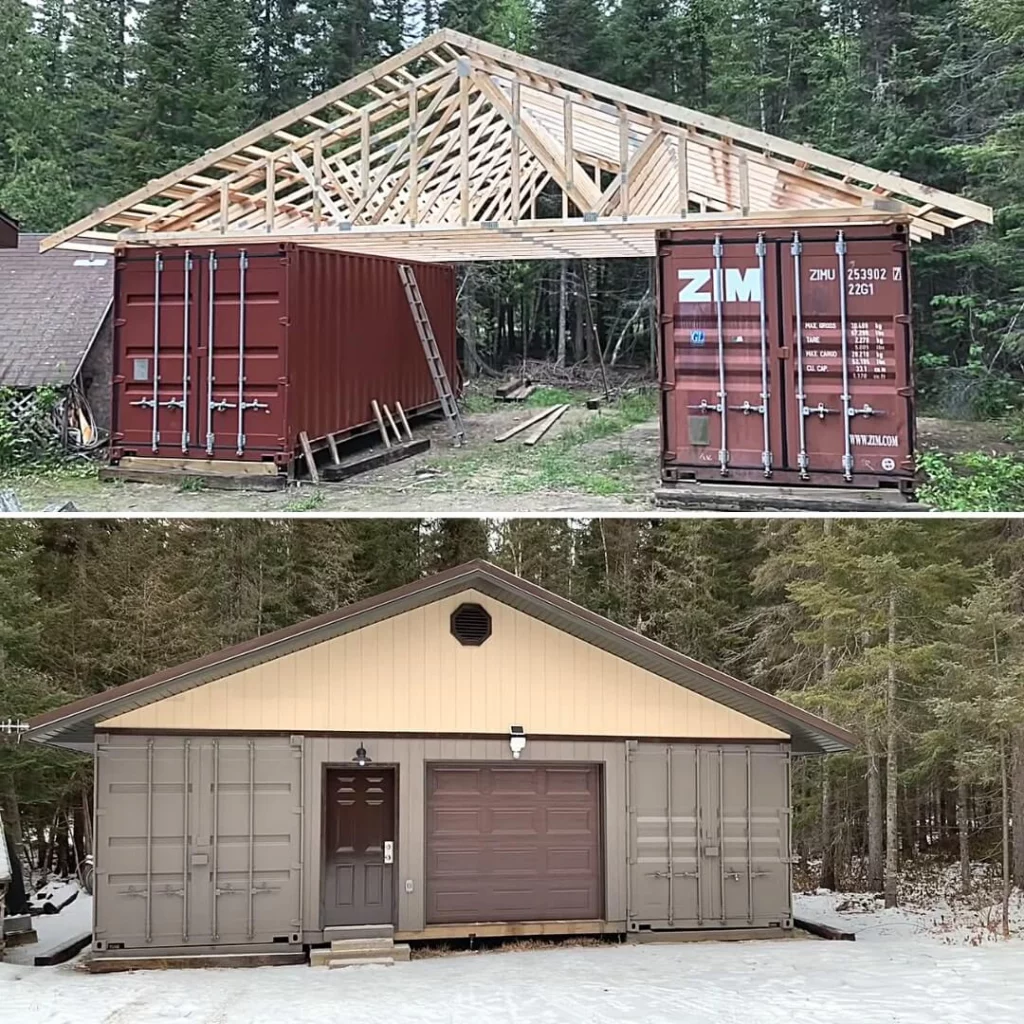
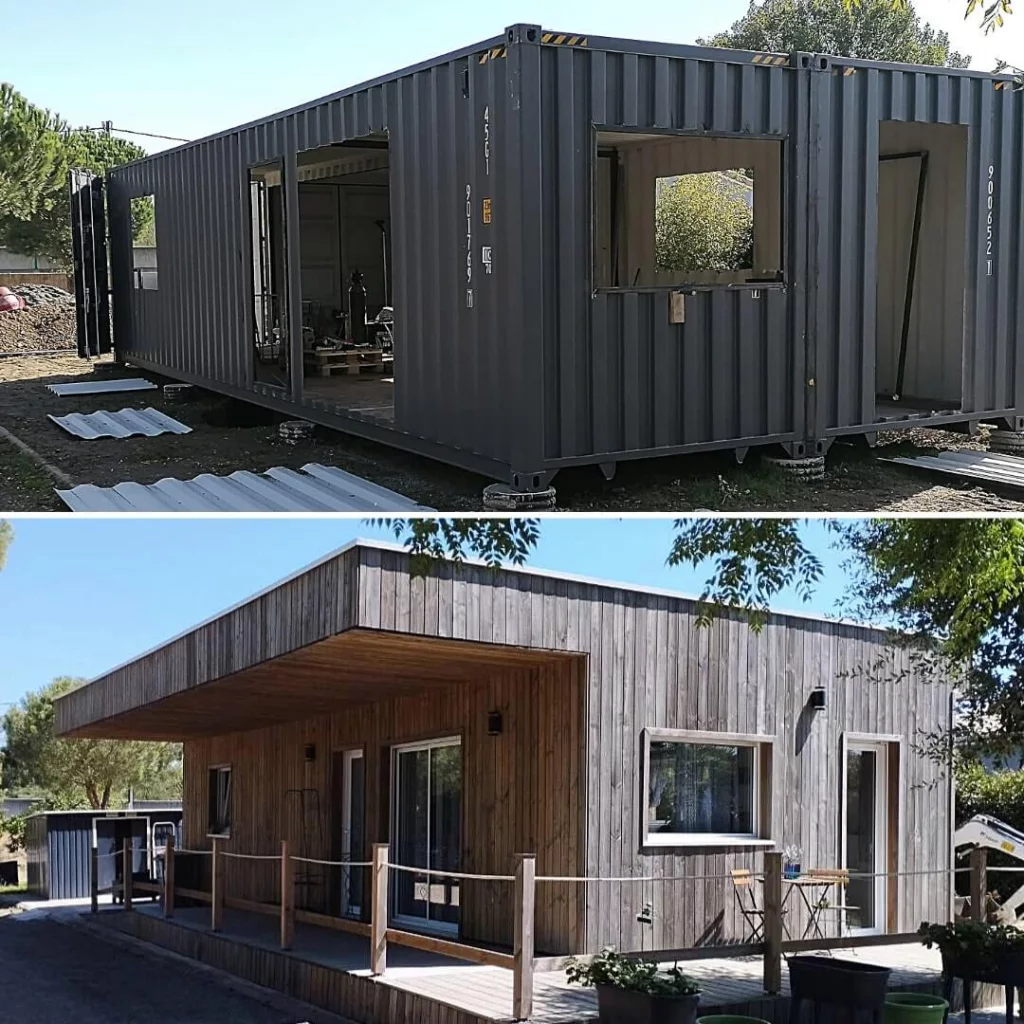
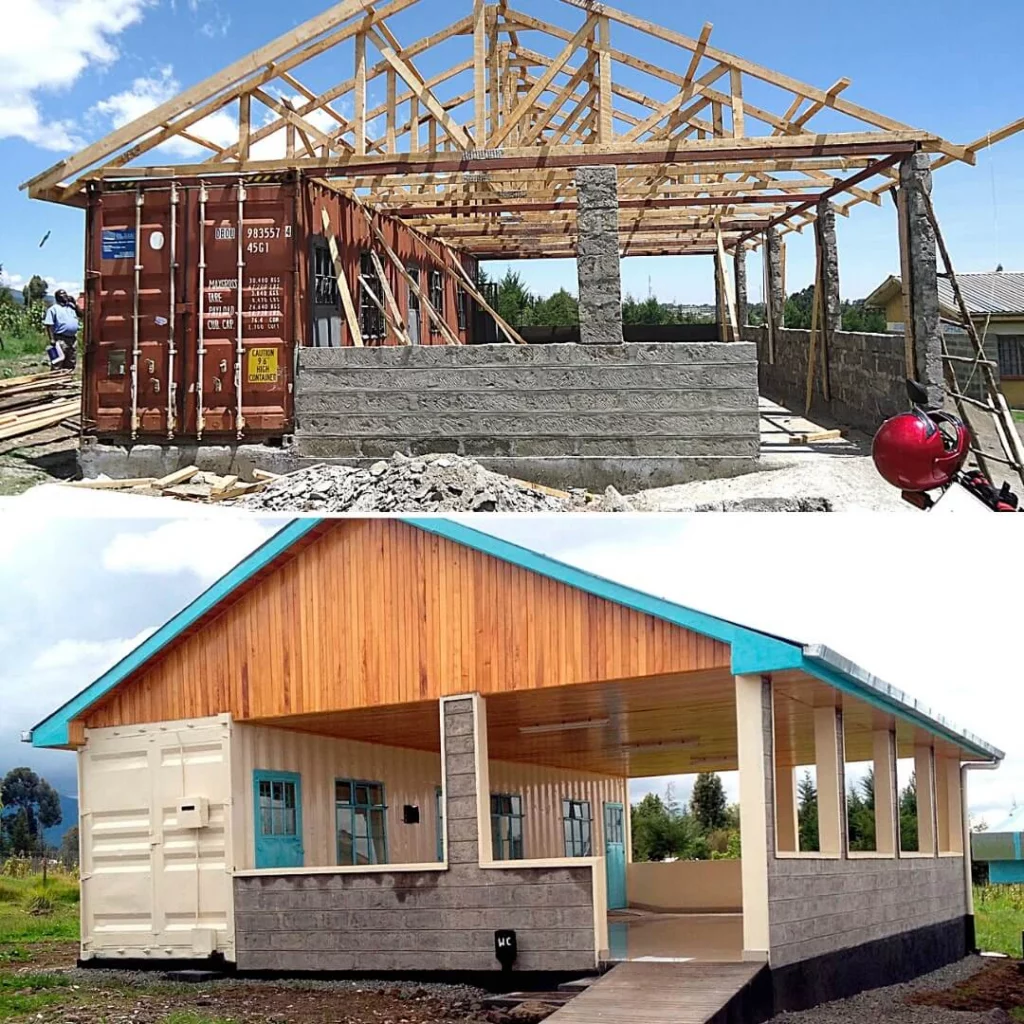
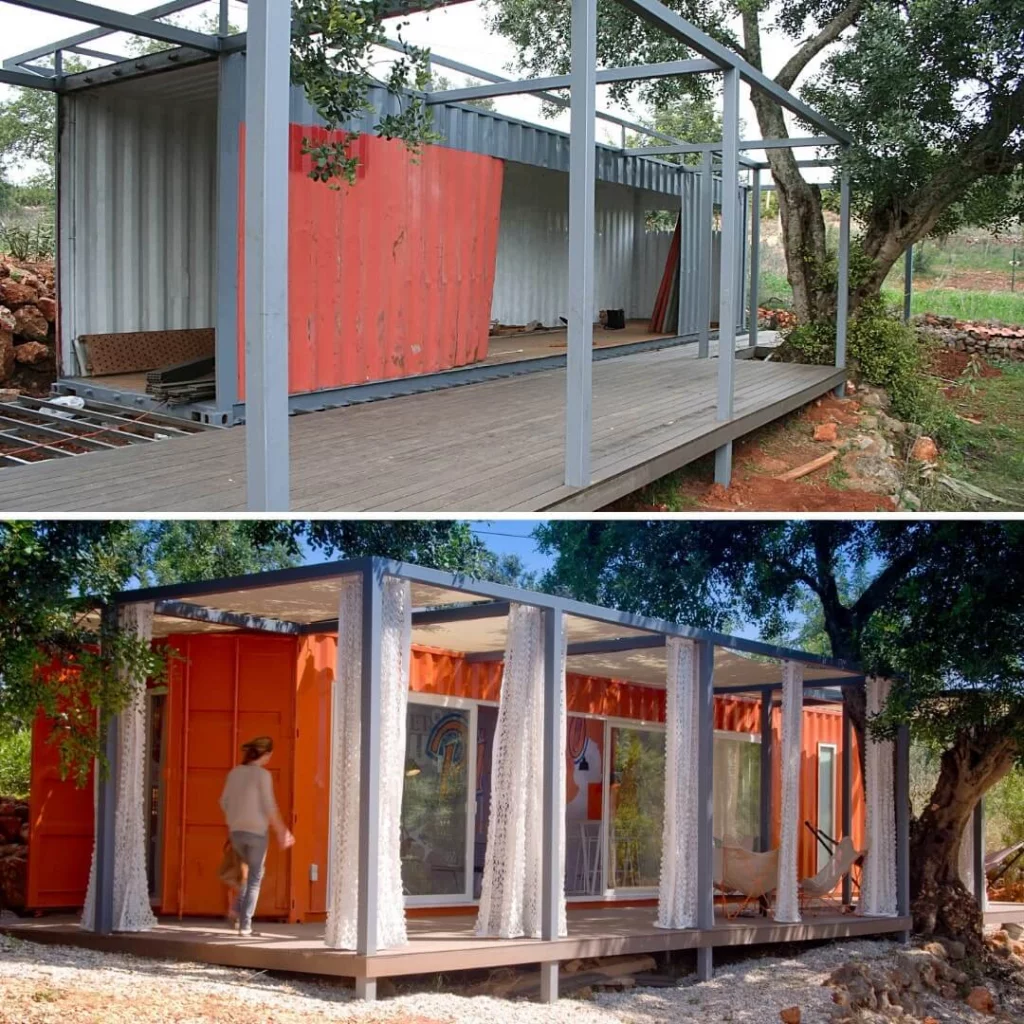
The Process Behind the Transformations
Step 1: Vision and Design
Every incredible container home makeover begins with a clear vision. Architects and designers take the simple steel shell of a shipping container and reimagine it as a beautiful, functional living space. During this stage, 3D models and digital simulations play a crucial role—helping maximize every square inch while ensuring the structure remains safe, efficient, and comfortable.
Step 2: Structural Modifications
Since shipping containers aren’t originally built for people to live in, significant modifications are required. Builders cut openings for windows and doors, reinforce weakened structural points, and add proper insulation so the home can withstand different climates. This step turns an industrial frame into a livable foundation ready for transformation.
Step 3: Interior and Exterior Finishing
Inside, containers are often finished with high-quality materials—from sleek flooring to custom cabinetry—creating warm, inviting interiors. On the outside, treatments like paint, cladding, or protective coatings enhance durability and style, ensuring the home looks as good as it performs.
Step 4: Sustainable Features
Many modern container homes embrace sustainability, incorporating additions like solar panels, rainwater harvesting systems, and even living roofs. These features reduce environmental impact and help homeowners save on long-term utility costs.
Why Container Homes?
Sustainability:
Repurposing unused shipping containers helps reduce global waste while minimizing the need for traditional building materials. Combined with eco-friendly upgrades, container homes can significantly lower a household’s carbon footprint.
Cost-Effectiveness:
Container construction is often more affordable than conventional building—especially when using recycled materials—making it an appealing option for budget-conscious homeowners or first-time buyers.
Unique Aesthetics:
The clean, industrial look of container architecture draws fans of modern, minimalist design. With the right creative touch, these once-ordinary steel boxes can become stylish, magazine-worthy homes.
Versatility:
Containers can be stacked, bridged, angled, or expanded in countless ways. From compact tiny homes to multi-level residences, the design possibilities are nearly endless.
Mobility:
Some container homes are built to be relocatable, offering the freedom to move a home if life circumstances—or landscapes—change.
Summary
The dramatic “before and after” transformations of container homes are far more than just impressive visuals—they symbolize a shift in how we think about modern housing. These builds prove that with creativity, thoughtful planning, and sustainable practices, even the most ordinary materials can be turned into extraordinary homes.
Container living isn’t just a passing trend; it’s a movement that celebrates innovation, efficiency, and a fresh approach to sustainable architecture. And as more people embrace these unconventional structures, we can expect to see even more groundbreaking designs that push the boundaries of what container homes can become.