From Texas Hill Country Dream to Reality: A Couple’s Journey to Building Their $100K Container Home
The Texas Hill Country Vision
When Lexi and Diego Newkirk purchased 12.5 acres of untouched Texas Hill Country land in October 2023 for $180,000, they weren’t simply buying real estate—they were laying the groundwork for a life-changing dream. Just an hour outside Austin, their sweeping property wasn’t merely a plot of land; it was the starting point for a bold experiment in sustainable living, financial independence, and intentional design.
Lexi, a digital marketer, and Diego, a home restoration specialist, shared a clear and ambitious vision from day one. Their goal was to build a small community of shipping-container tiny homes that could function as short-term rentals—spaces that would generate income while giving guests a chance to immerse themselves in the magic of the Hill Country. It wasn’t just about constructing structures; it was about building a lifestyle that could support itself and inspire others to reimagine modern living.
But turning a vision into reality rarely follows a straight line. Along the way, the couple encountered challenges that required creativity, adaptability, and a willingness to rethink their plans. Those unexpected pivots ultimately led them to something even more meaningful than their original idea—a private sanctuary of their own. What emerged was a blend of luxury and sustainability, a personal retreat that reflects smart financial choices, thoughtful design, and the enduring spirit of their Texas dream.
A Shift in Vision: Turning Setbacks Into Strategy
Lexi and Diego’s original plan—a small community of container homes—wasn’t a spontaneous idea. It was carefully researched, thoughtfully developed, and aligned perfectly with the rising demand for unique, experience-driven accommodations in the Texas Hill Country. They saw an opportunity not just to build homes, but to create a thriving short-term rental destination. But when a neighbor threatened legal action over the visibility of their planned tiny home community, everything changed.
Instead of abandoning their dream, the couple pivoted. They chose to pour their energy into creating the perfect home for themselves first. What could have derailed the project became an unexpected blessing. The shift allowed them to dive deeper into design, customization, and craftsmanship—building a home that not only suited their lifestyle but showcased what container living could truly be. Their excitement didn’t fade; it intensified.
This mindset—optimistic, flexible, and solution-driven—became the backbone of the entire construction journey. Every challenge became an opportunity to innovate. Every obstacle pushed them to refine their ideas. And that resilience would prove essential as they transitioned from planning to building.
The Foundation: Two Containers, Endless Possibilities
In November 2023, the Newkirks purchased two single-use shipping containers for $5,500 each, marking the official start of their build. These weren’t random finds—they were intentionally selected for their excellent condition and structural soundness, providing a reliable canvas for the home they envisioned. The choice to use containers wasn’t solely about cost—it was a statement. A commitment to sustainable building practices and repurposing materials with purpose.
Delivered to the property like giant steel canvases, the containers immediately sparked curiosity from visitors. Their industrial exterior hid limitless potential, and Lexi and Diego could already see the warm, modern living spaces that would one day exist inside. Their ability to envision the finished home long before construction began became a key strength throughout the project.
Choosing single-use containers was a strategic move. Because they had only made one journey in their lifetime, there was minimal wear and tear—meaning fewer modifications, fewer surprises, and a sturdier foundation to build upon.
The Master Builder: Diego’s Hands-On Craftsmanship
Diego’s background in home restoration quickly proved indispensable. Where many might have hired a full team of contractors, he stepped into the role of master builder, allowing them to maintain full creative control while keeping costs manageable. His hands-on involvement wasn’t just practical—it was deeply personal. Every weld, every cut, and every structural decision reflected their shared vision.
Construction officially began in January 2024. Diego tackled the complex work of stacking and welding the containers, transforming two steel boxes into a cohesive structure. The process required precision, expertise, and countless hours of focused effort.
To ensure safety and quality, the couple outsourced the electrical and plumbing work to licensed professionals. This hybrid approach—hands-on craftsmanship paired with expert technical support—struck the perfect balance between creativity and reliability.
They also designed their own layout, opting out of standardized plans. The result was a uniquely customized home tailored to their lifestyle, maximizing space while incorporating the features they valued most.
Living in Transition: Life in the RV
One of the boldest decisions Lexi and Diego made was choosing to live on-site in an RV throughout the construction process. It wasn’t glamorous, but it was strategic. By eliminating rent or temporary housing costs, they kept their budget tight and remained fully immersed in the project.
Living on the land gave them insights they never would have gained from a distance. They learned how sunlight moved across the property, how breezes flowed, and which areas felt most peaceful at sunrise and sunset. These observations influenced placement, orientation, and design choices—ensuring the home felt deeply connected to the land itself.
Being on-site also meant they could respond to issues instantly. No waiting, no delays. Quality control became a natural part of daily life.
A Compact Home With Big Vision
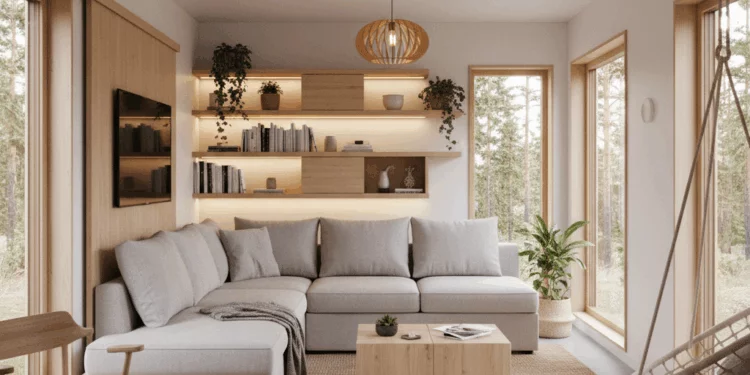
Completed in April 2025, their 640-square-foot home proved that luxury and spaciousness aren’t defined by size. The two-story layout, paired with a thoughtfully designed basement, created room for living, working, hosting, and relaxing—all without wasted space. Every square foot served a purpose.
What they built was more than a house. It was proof that creativity, intentional design, and resilience can turn two steel containers into a warm, functional, beautiful home—one that fulfilled their dream while staying firmly within budget.
Financial Freedom Through Smart Building
Lexi and Diego’s total investment—roughly $100,000 for a 640-square-foot home—stands out as an extraordinary accomplishment compared to traditional construction costs. Their financial success was driven by several key factors: Diego’s hands-on building expertise, their meticulous planning, and their commitment to avoiding construction loans. Without monthly mortgage payments weighing them down, they gained immediate financial freedom that would have been impossible with conventional financing.
Their cost-saving approach wasn’t about cutting corners; it was about choosing materials and methods that would minimize long-term maintenance. By investing in durable components and energy-efficient systems, they avoided the recurring expenses that often come with lower-quality builds. Their philosophy was simple: real value lies in creating something built to last.
The couple’s financial strategy extended far beyond the initial build. Planning to live in the home for one to two years before converting it into an Airbnb reflected thoughtful long-term thinking. This approach allowed them to enjoy the home they built while ensuring it would later generate income that could support future development projects on their expansive property.
Building a Homestead, One Step at a Time
Lexi and Diego’s vision extended well beyond the walls of their container home. Their 12.5-acre property is already home to 20 chickens, marking their first step toward a fully functioning homestead. The addition of livestock demonstrated their commitment to sustainable living, food security, and self-sufficiency.
Future plans include adding cows and cultivating a large garden. These agricultural elements will not only enrich their daily lives but also create additional income opportunities. Their property is evolving into a diversified ecosystem—one that supports both their lifestyle and financial goals.
Long term, the couple plans to build a barndominium, using their container home as a stepping stone toward a larger dream. This forward-thinking approach showcases their understanding that property development is a journey—one that evolves as experience and resources grow.
Lessons from the Texas Hill Country
Their journey from a container home community concept to a personal sanctuary offers invaluable insights for anyone considering alternative construction. Lexi and Diego proved that shipping containers can become luxurious, functional homes that rival traditional builds—provided the design is thoughtful and the craftsmanship is meticulous.
Their experience also underscored the importance of understanding local regulations and community perspectives. The neighbor’s concerns about visibility were a reminder that zoning, aesthetics, and neighbor relations play a crucial role in tiny home and alternative housing projects. Instead of resisting or compromising their values, the couple adapted—turning a potential setback into a better, more personal project.
They also demonstrated that container homes can serve as ideal transitional housing. By living in the space temporarily, then converting it into a rental, they minimized risk and maximized long-term return. This strategy provides a model for others looking to blend personal use with future income streams.
The Airbnb Transition: From Home to Income Generator
Lexi and Diego’s plan to convert their home into an Airbnb was rooted in their understanding of the booming demand for unique accommodations. The Texas Hill Country is a prime location for tourism, attracting visitors seeking natural beauty and memorable lodging options. Their container home—with its blend of luxury finishes and distinctive architecture—is exactly the kind of place travelers look for.
The transition from residence to rental required intentional design choices to ensure the space worked for guests while retaining its original charm. Having lived in the home themselves, the couple had firsthand knowledge of what worked, what needed improvement, and what guests would appreciate most.
Once operating, the property is poised to generate significant passive income, allowing the couple to fund future developments and expand their homestead. Their methodical approach shows a deep understanding of both hospitality and long-term investment strategy.
Community Impact and Inspiration
The impact of their project has already extended beyond their own property lines. Their willingness to share their journey—openly discussing costs, timelines, setbacks, and successes—has inspired others in the community to consider container homes and alternative building methods.
Their success has helped shift local perceptions, showing that container homes aren’t just budget-friendly—they can also be stunning, durable, and highly functional. By proving what is possible, they have opened the door for others to explore affordable, sustainable housing options.
Their detailed documentation has effectively become an educational resource for aspiring container home builders. For many, their story is a roadmap—a rare combination of practical information and real-world inspiration.
Looking Toward the Future
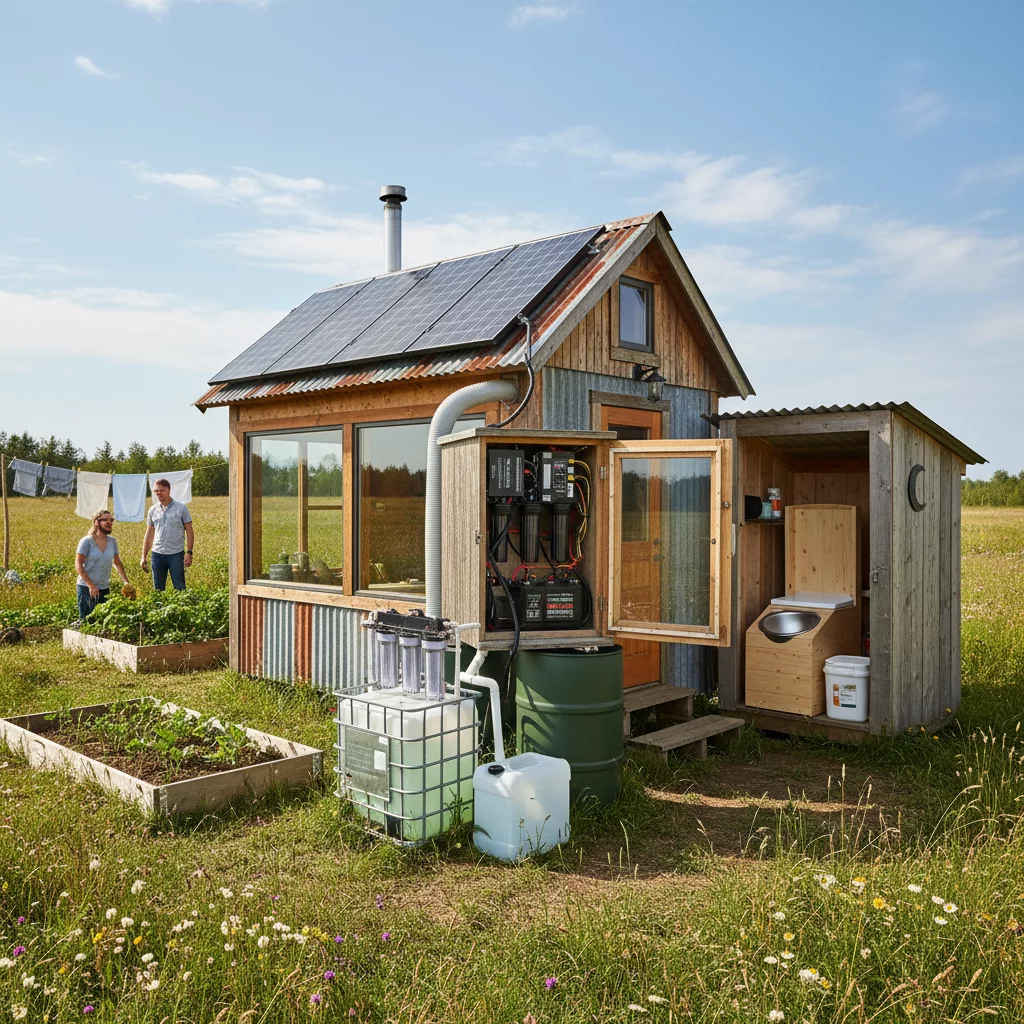
As Lexi and Diego settle into their sustainable lifestyle, their vision for the property continues to evolve. Plans for solar power underscore their commitment to reducing both environmental impact and long-term utility costs. Their willingness to invest in renewable energy highlights their belief that sustainability is not a one-time project but an ongoing process of improvement.
The upcoming barndominium represents their next major building milestone. Drawing on everything they learned from their container home, this next structure will offer more space while benefiting from their increased confidence and skill in alternative construction.
Their long-term goal is clear: create a property that supports multiple income streams while staying aligned with their values—sustainability, independence, and intentional living.
The Texas Container Home Revolution
At its core, Lexi and Diego’s $100,000 container home is more than a personal accomplishment—it’s a proof of concept for alternative building methods. Their project shows that with skill, planning, and adaptability, shipping containers can become beautiful, functional homes that offer remarkable value.
Their journey provides practical guidance and inspiration for future builders, offering transparency about costs, timelines, challenges, and rewards. Their ability to adapt, innovate, and push forward is a testament to the flexibility that makes container construction so appealing.
Their Texas Hill Country property has become a living example of what vision and determination can create. As they prepare to welcome Airbnb guests and continue expanding their homestead, their story serves as powerful evidence that the container home movement isn’t just about building differently—it’s about living differently.
The 640-square-foot home proves an essential truth: luxury isn’t measured in square footage but in thoughtful design, quality craftsmanship, and a clear sense of purpose. In the hills of Texas, Lexi and Diego have created something extraordinary—an inspiring model for anyone dreaming of a more sustainable, financially free, and intentional way of living.